Neuropeptide signalling in Placozoa
CECE 2026 – Barcelona
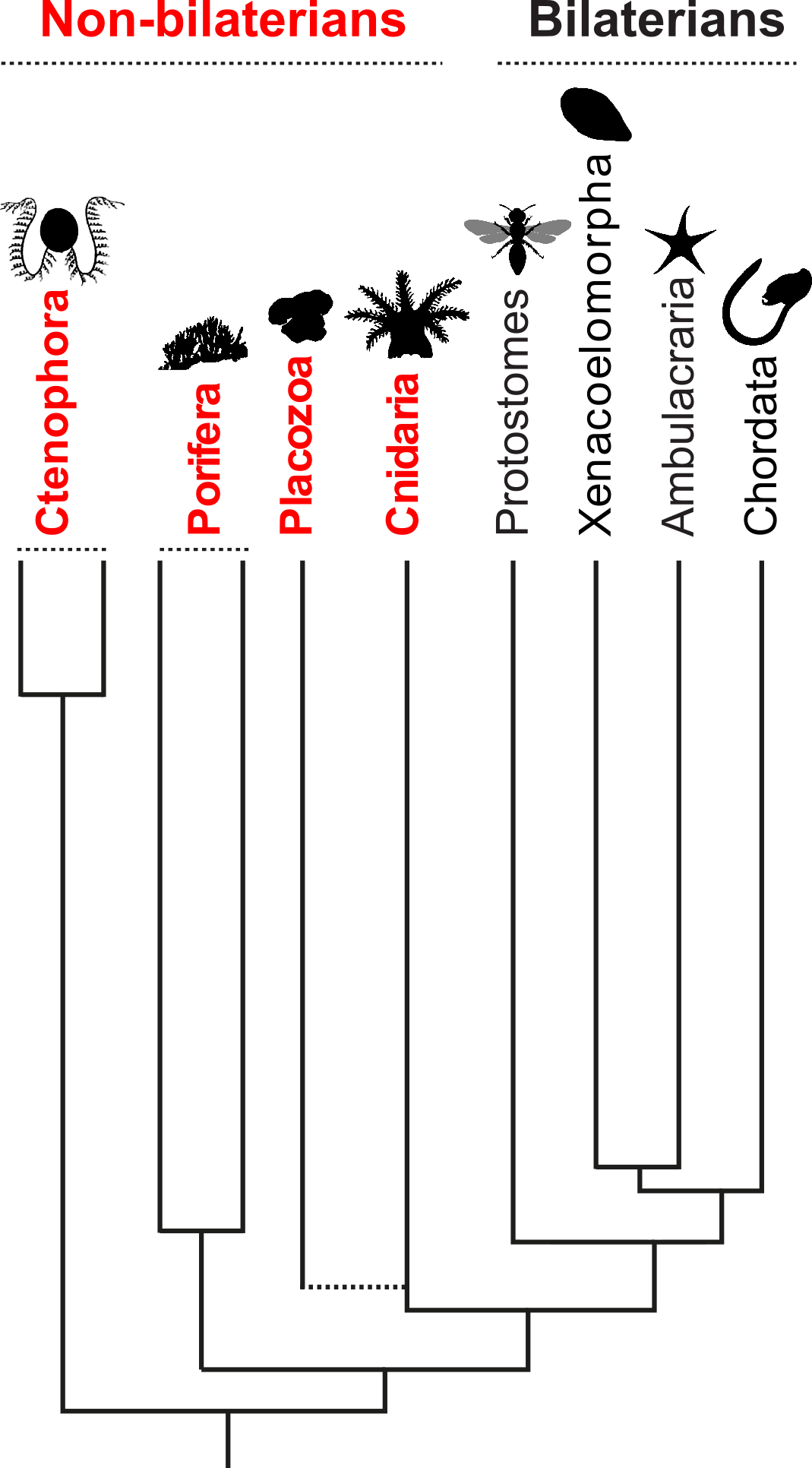
Placozoa – no synapses, many peptides
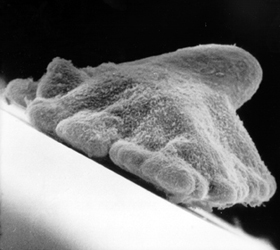
Trichoplax adhaerens
- placozoans - simplest animals
- no neurons, no muscles
- upper and lower ciliated epithelium
- many neuropeptide-like molecules
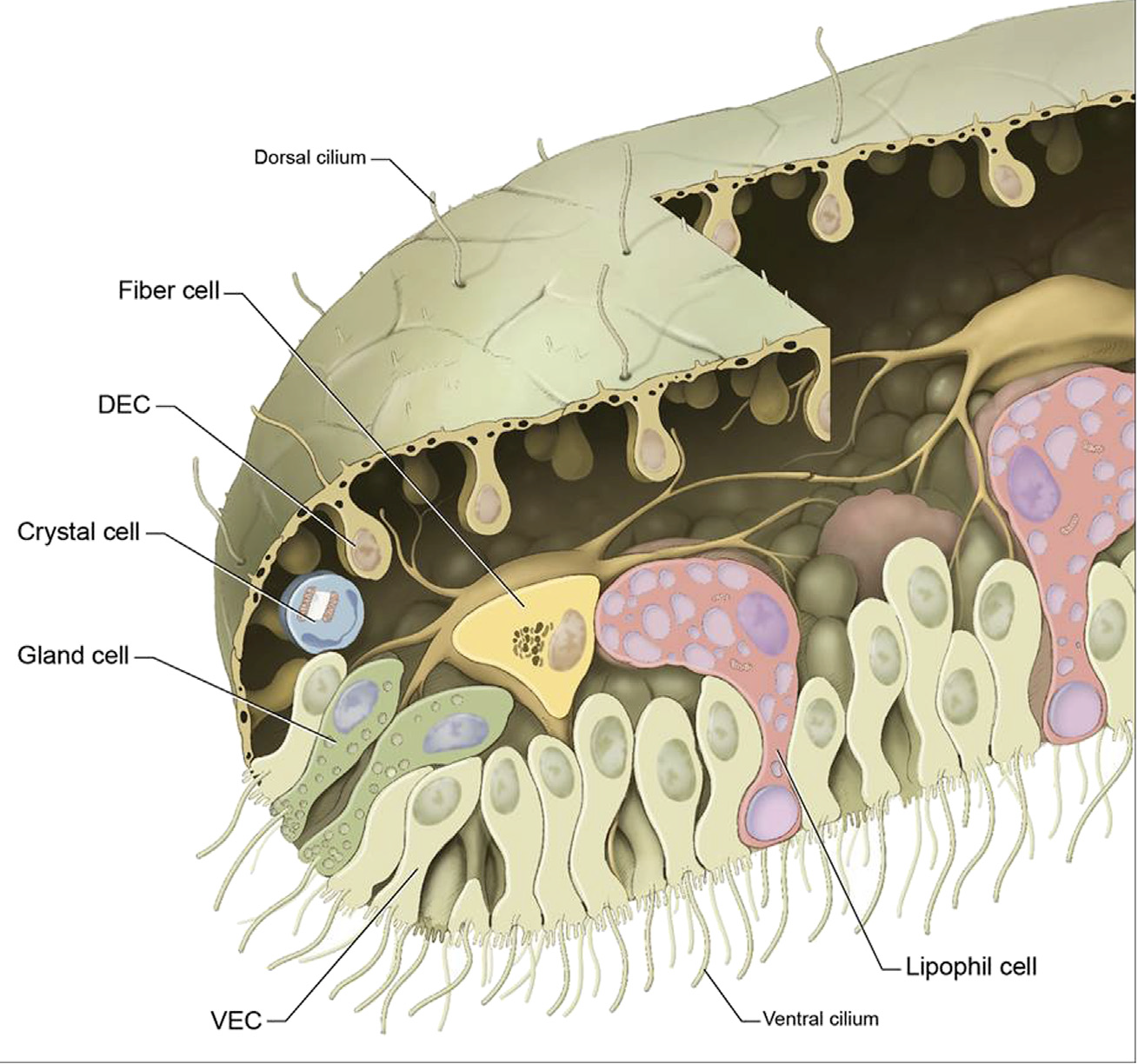
- few morphological cell types
Placozoa – no synapses, many peptides
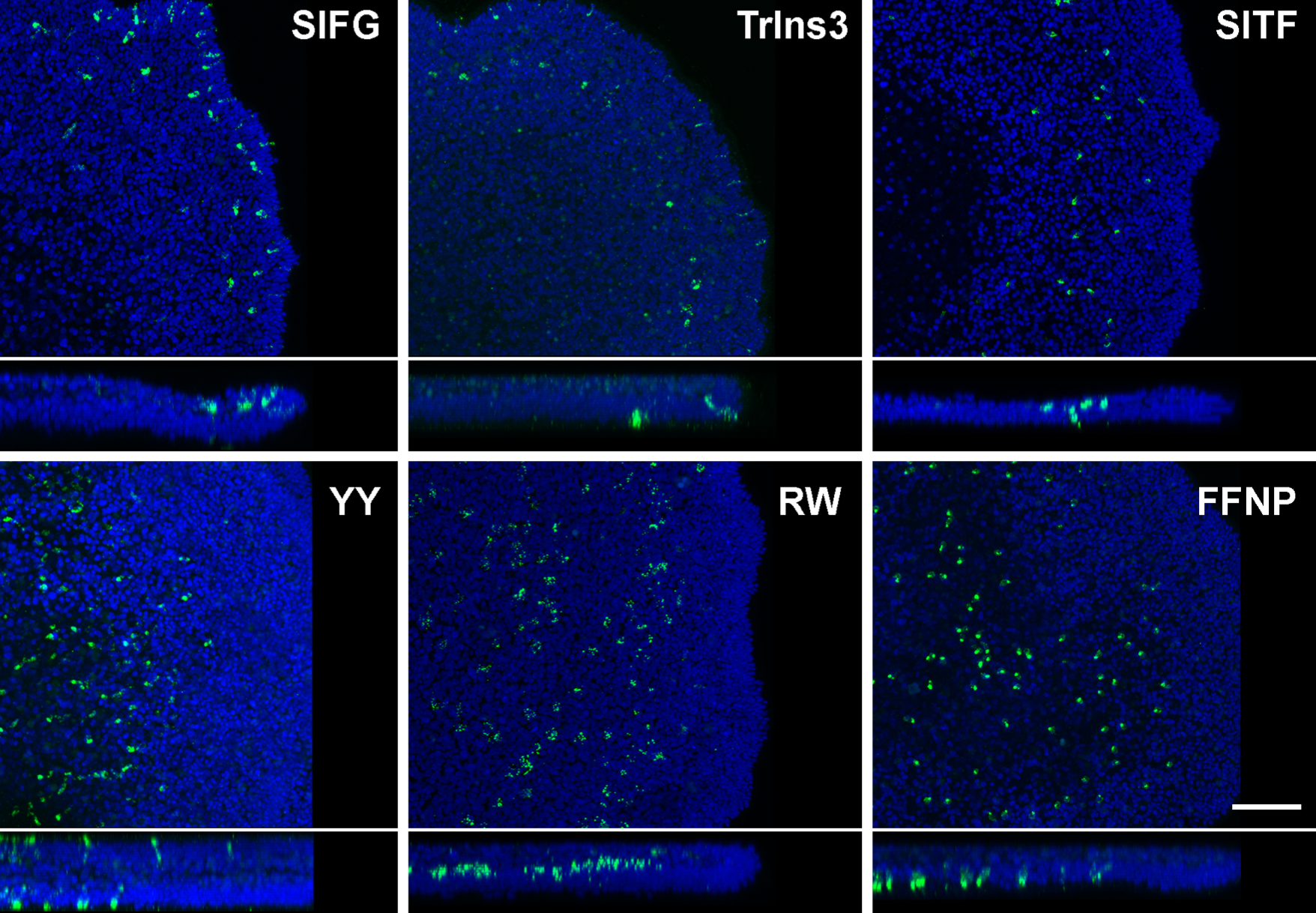
- neuropeptides are expressed in specific cell populations
- non-overlapping expression
- over 30 proneuropeptides
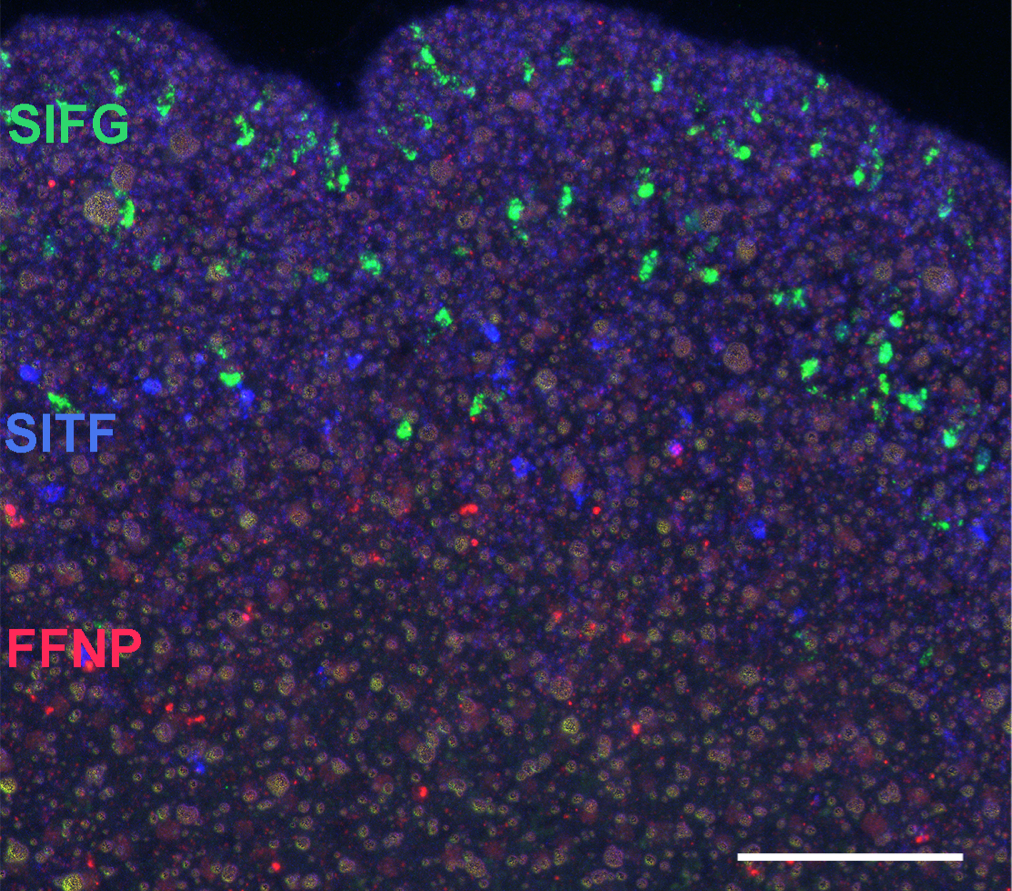
- peptidergic cells tile the epithelium
The GPCR universe
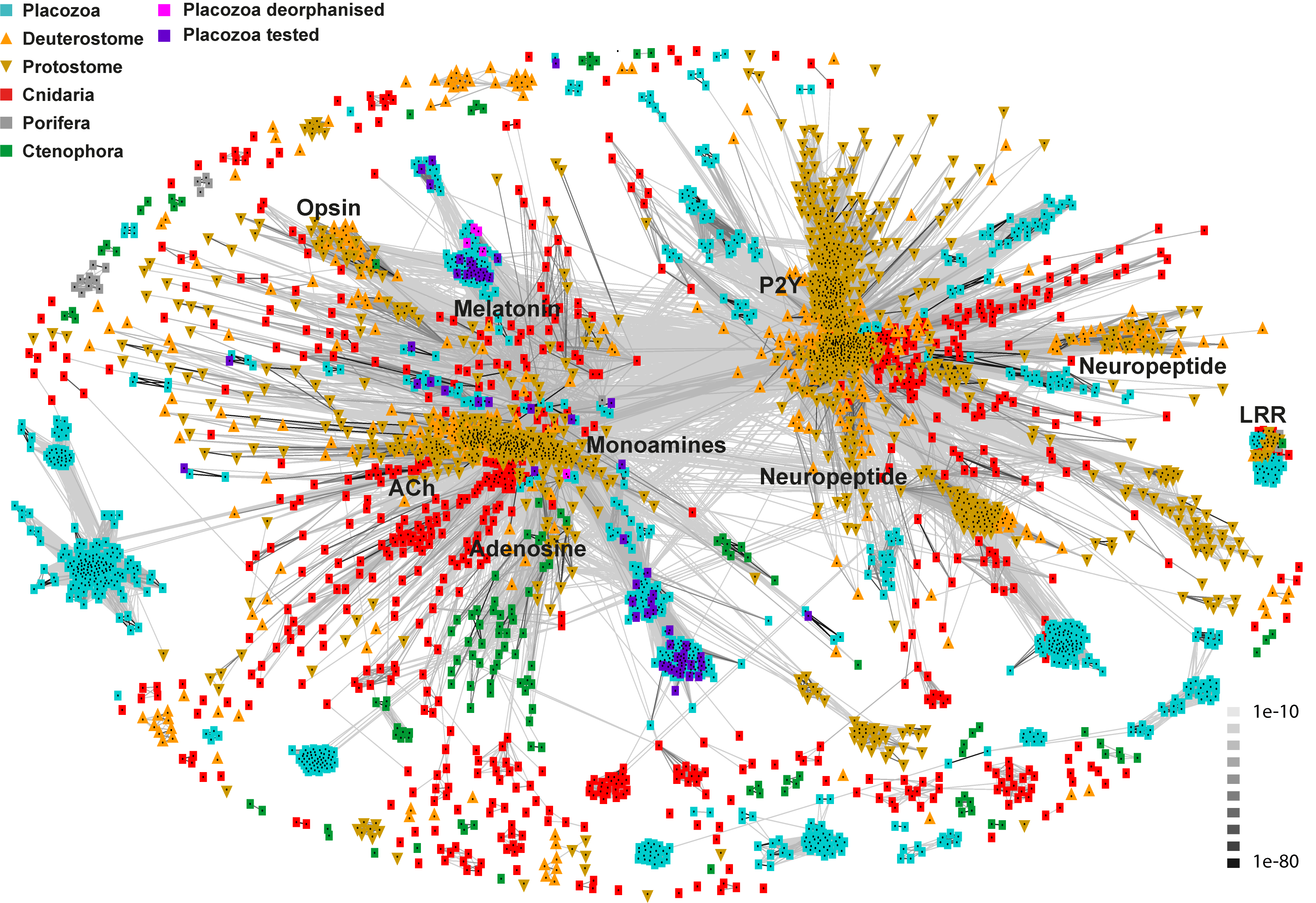
Matching peptides with receptors – deorphanisation
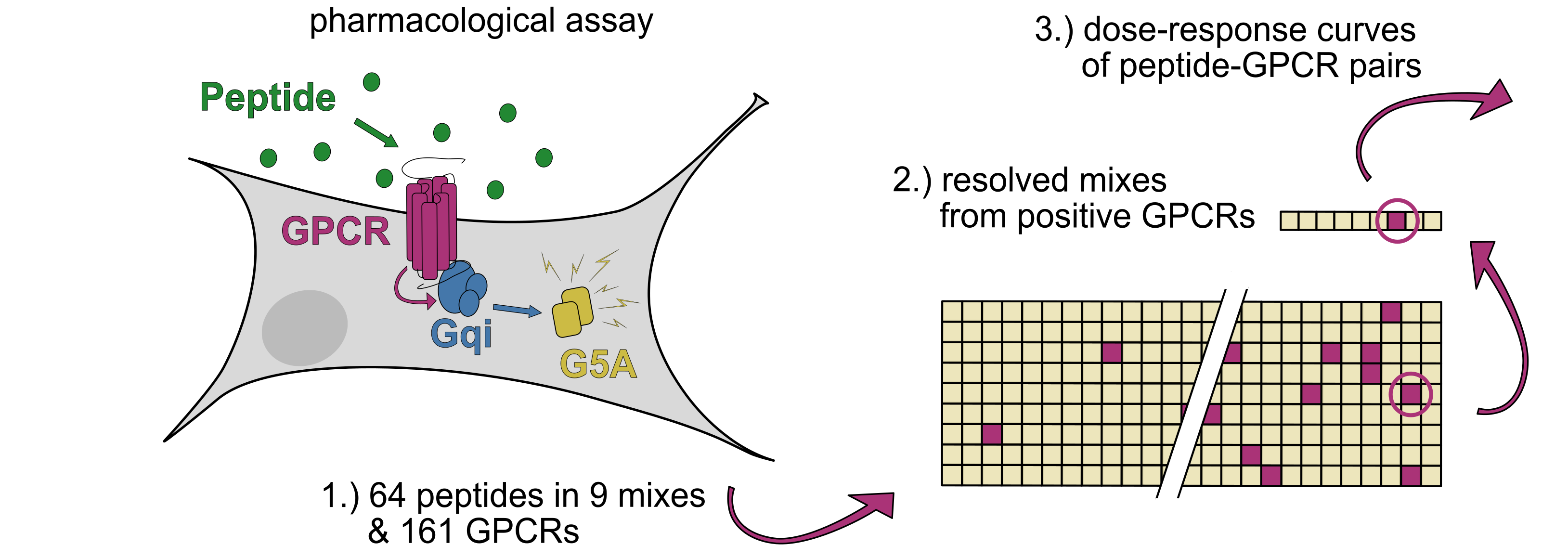
Large-scale GPCR-peptide screen in placozoans
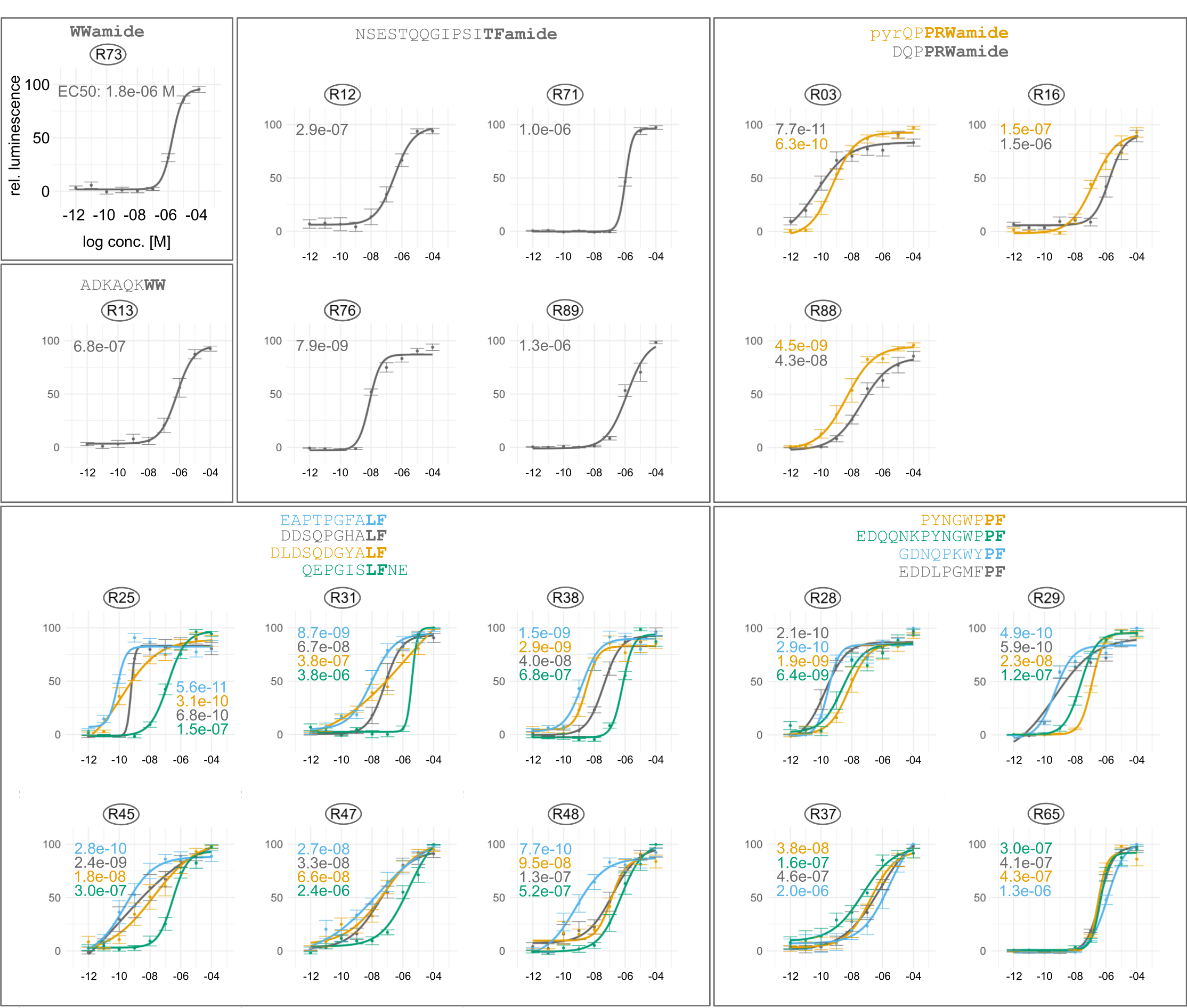
- 27 predicted neuropeptide precursors
- 104 class A GPCRs screened
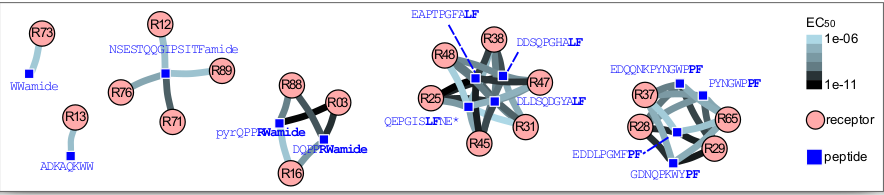
- 19 receptors activated by 13 mature peptides
Peptide-receptor interaction networks
Independent diversification of receptor-peptide systems
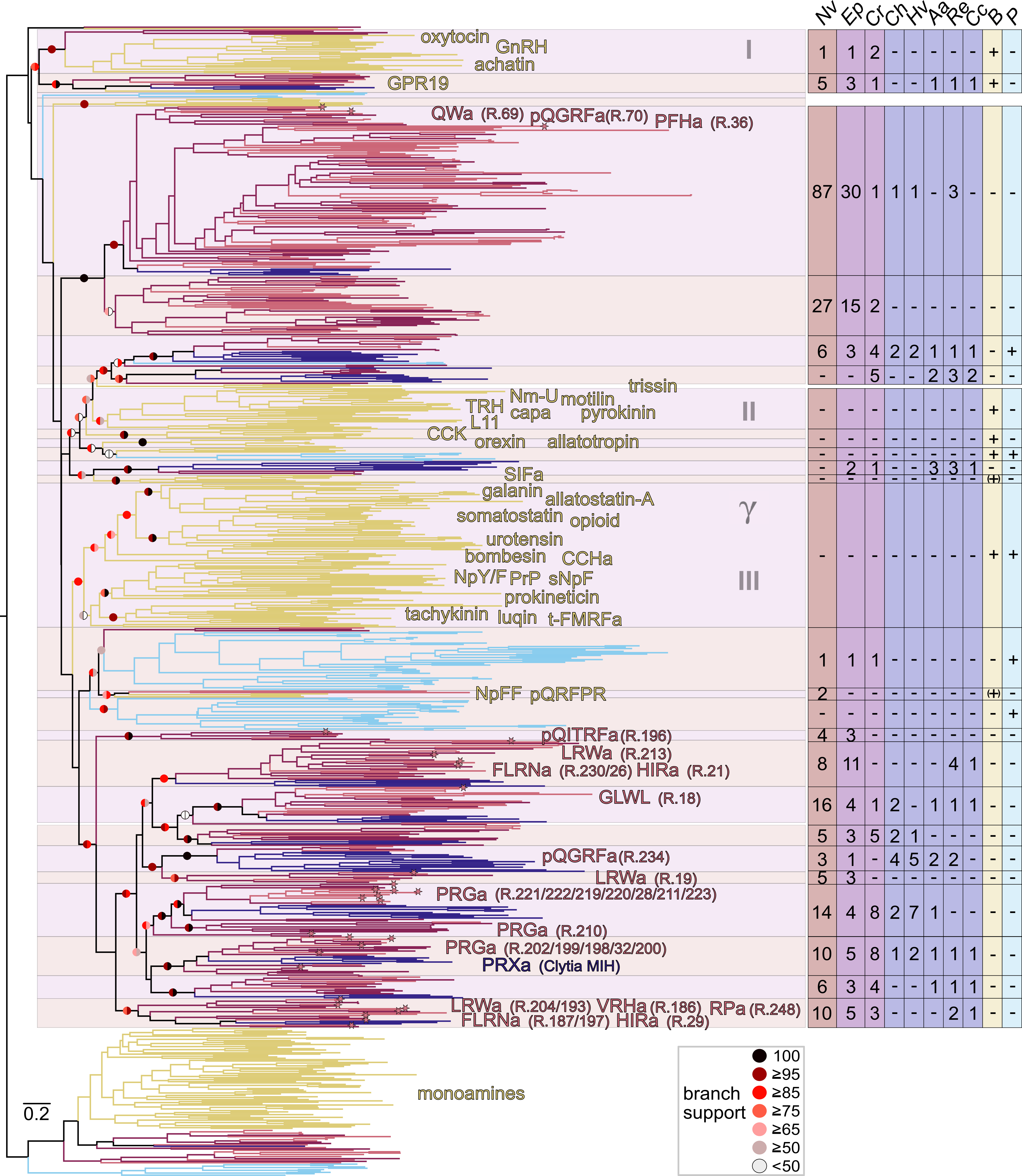
- at least 8 ancestral cnidarian families of peptide GPCRs
- independent divergence from bilaterian receptors
- no one-to-one orthologs to bilaterians
- prediction of receptor-ligand pairs across many cnidarians
Map to single-cell data
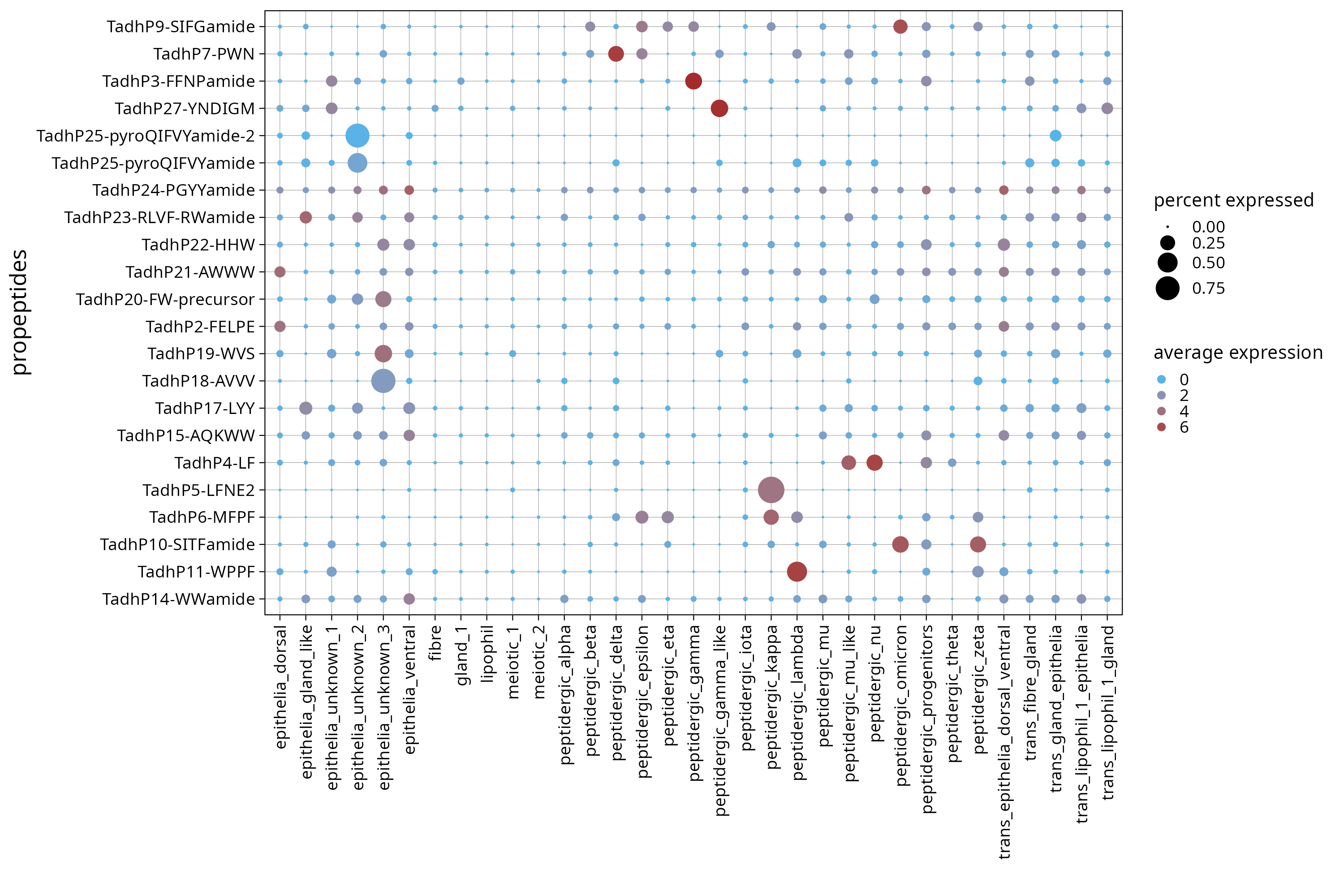
Organisation of peptidergic signalling
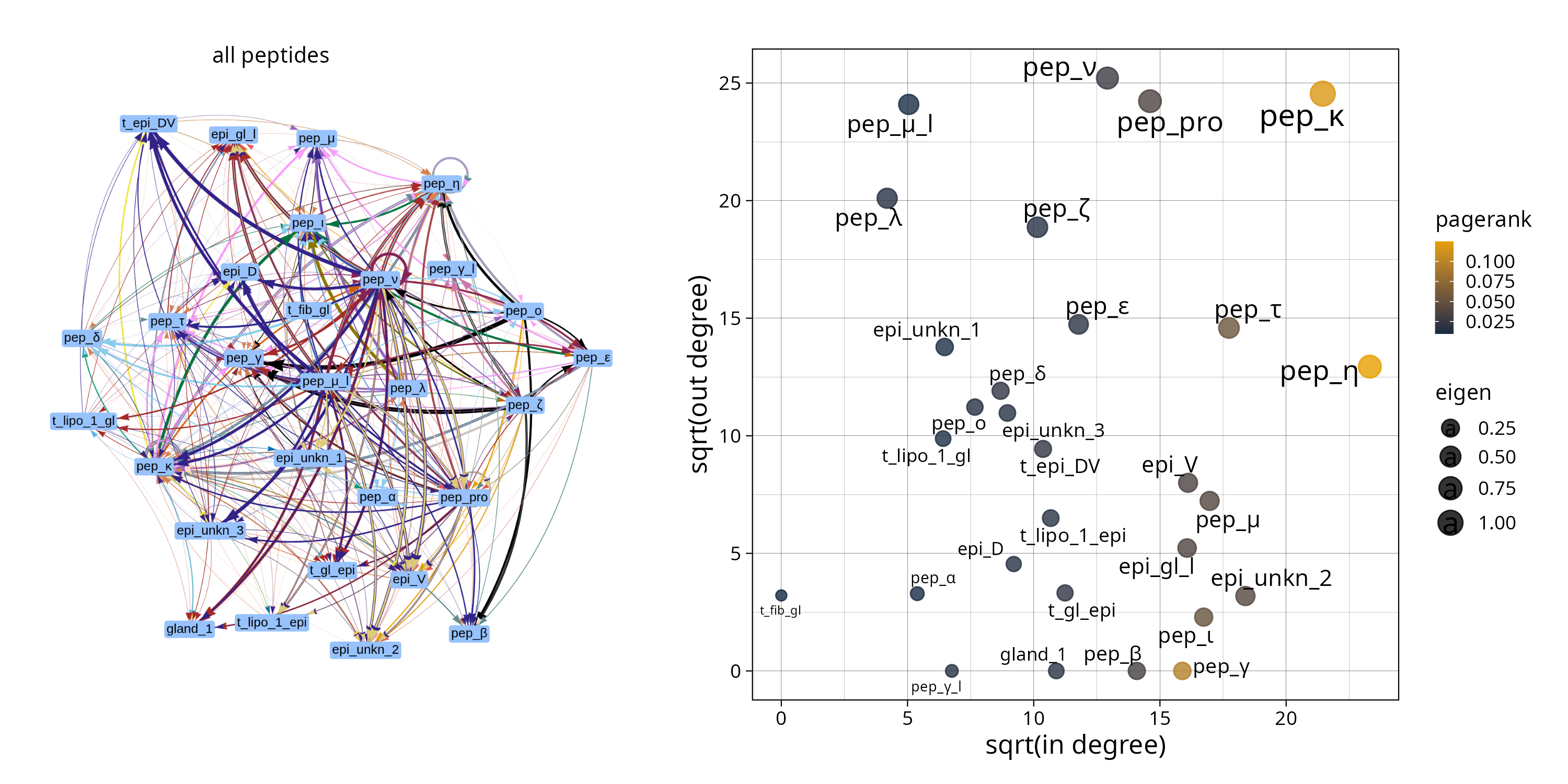
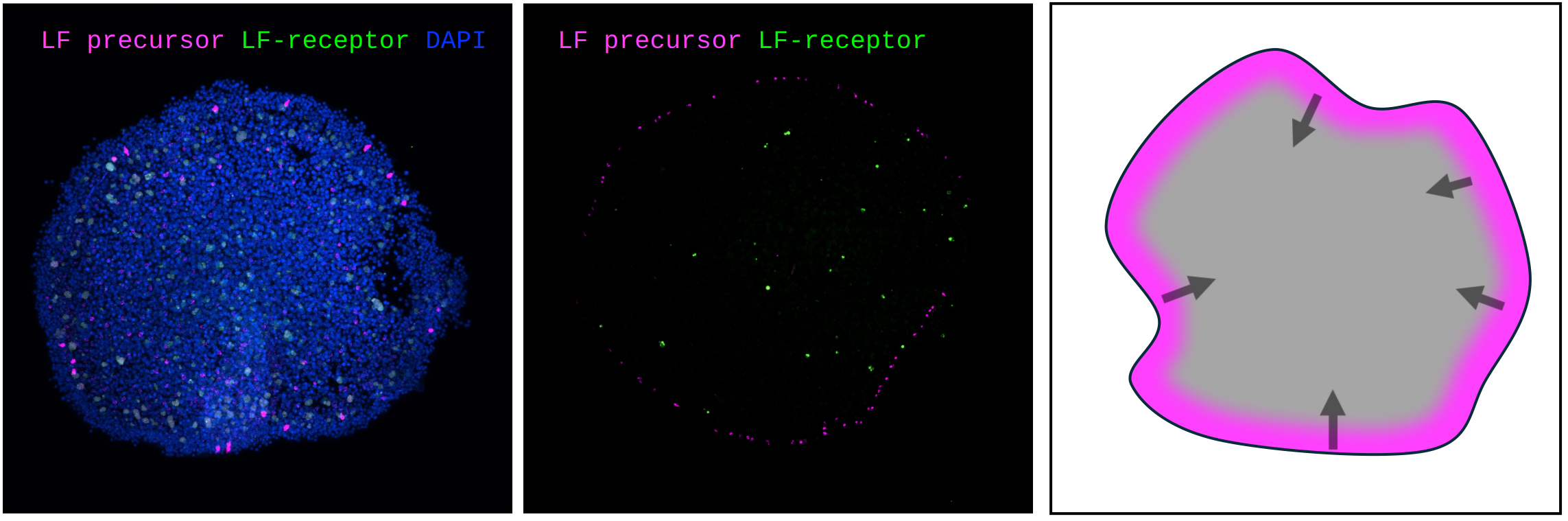
HCR to spatially map receptor-ligand pairs
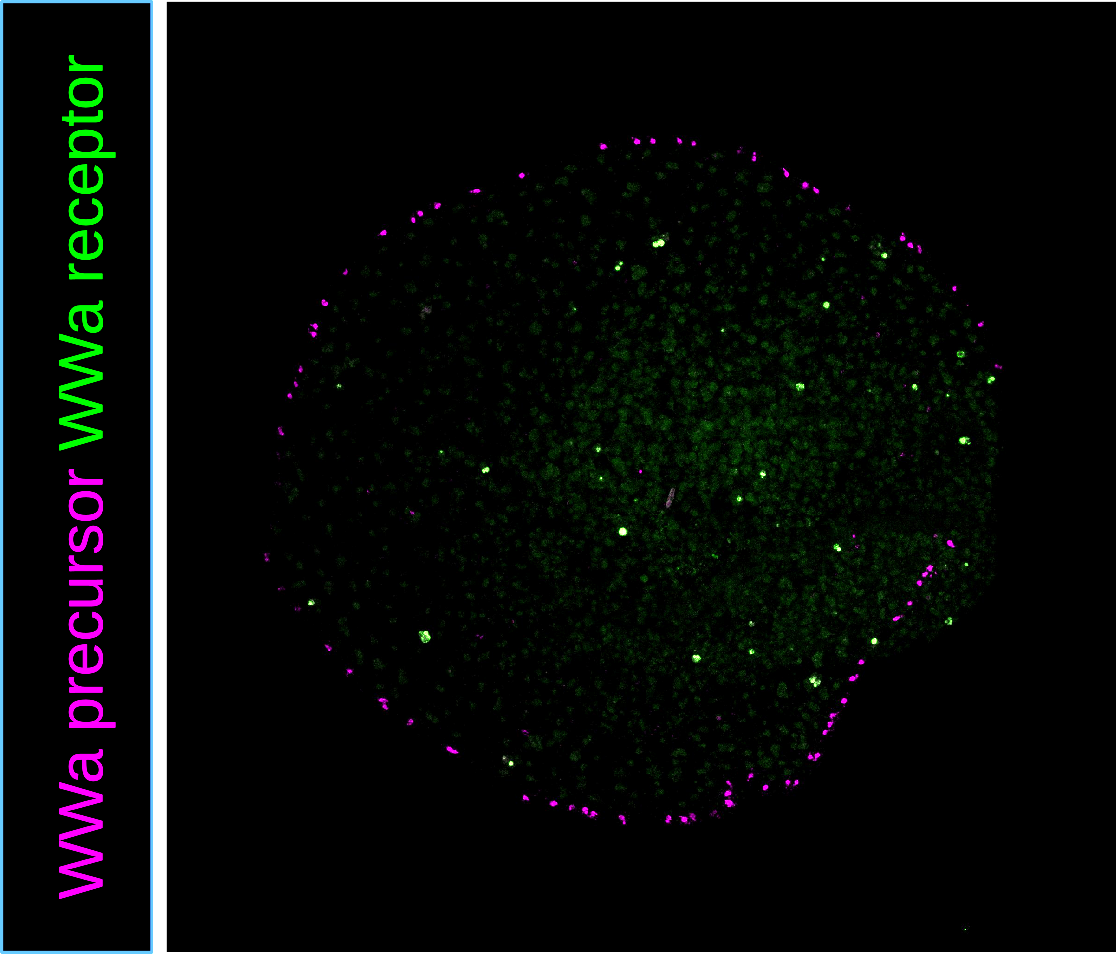
HCR to spatially map receptor-ligand pairs
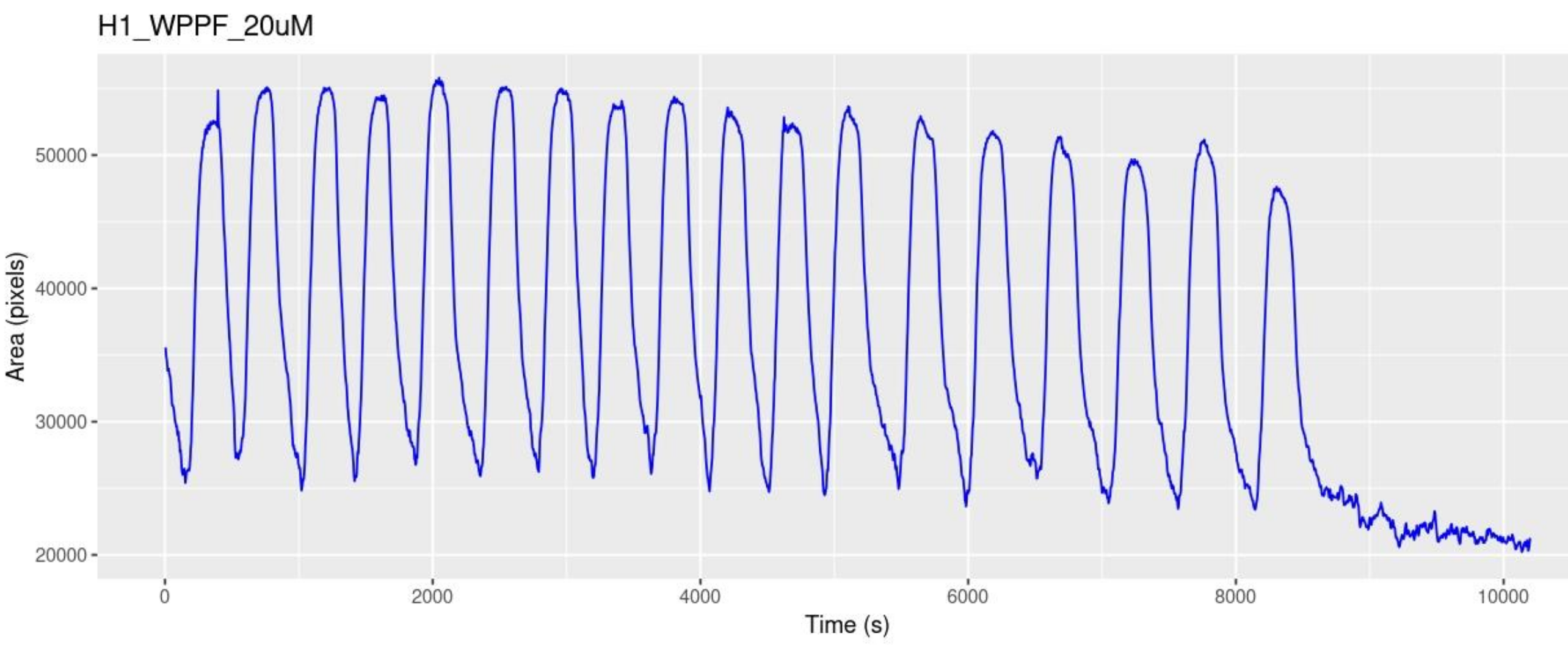
Some peptides induce long-term oscillations
Origin of the nervous system as a reflex arc?
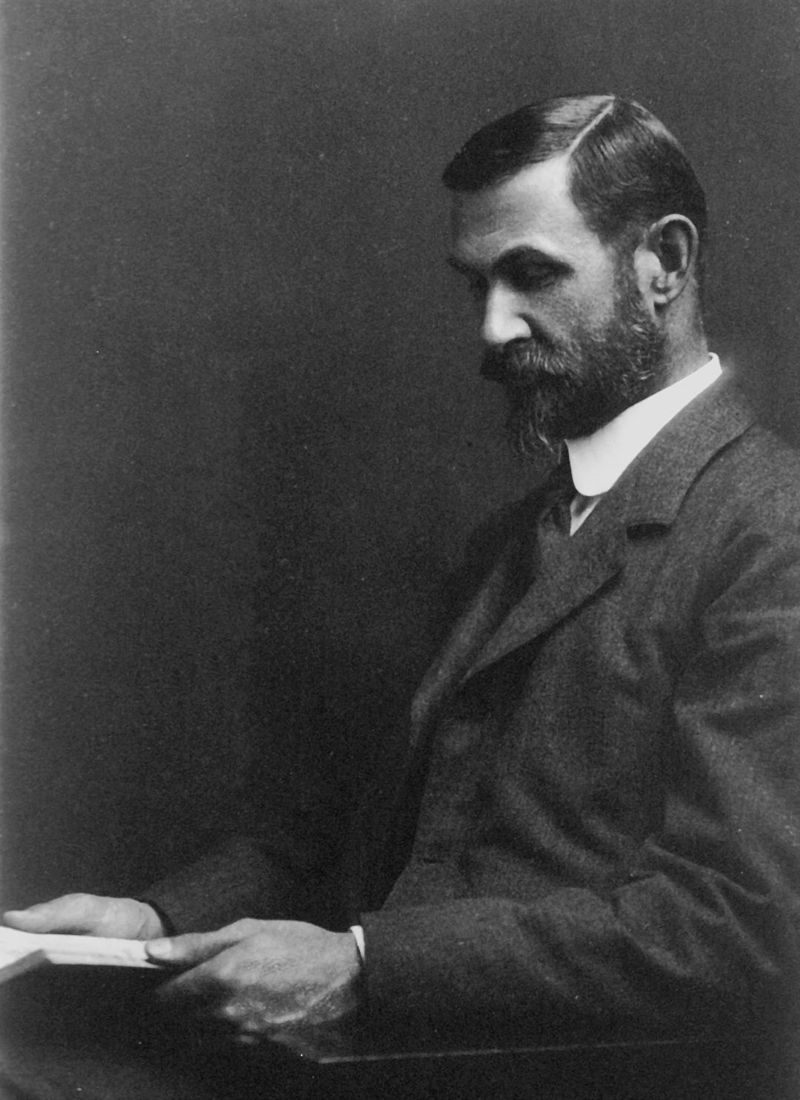
George Howard Parker (1864 - 1955) 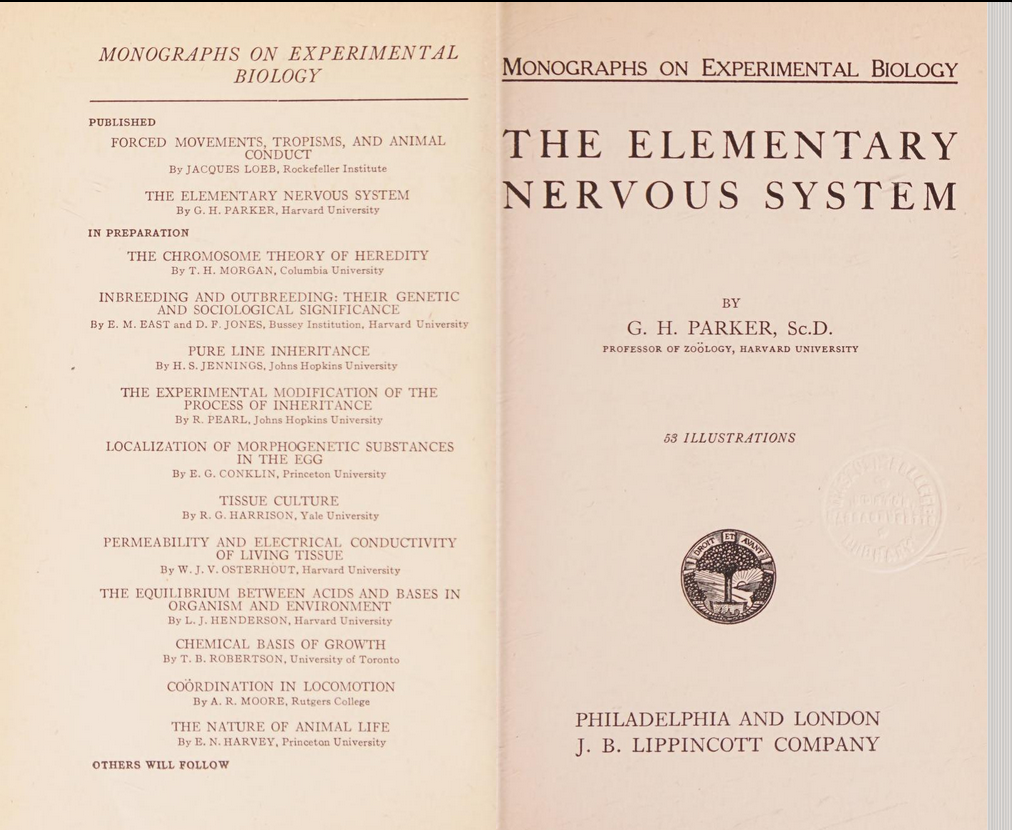
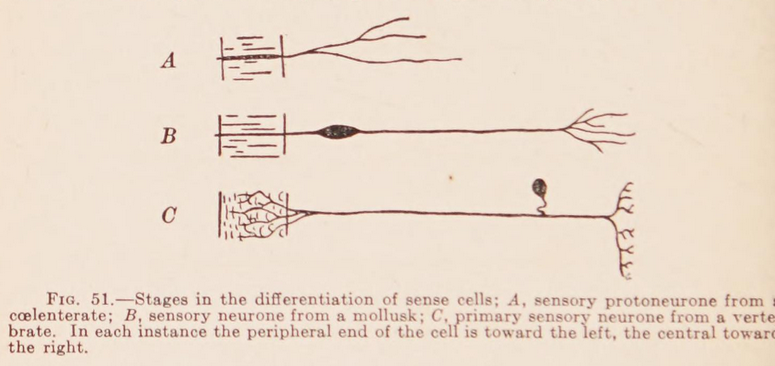
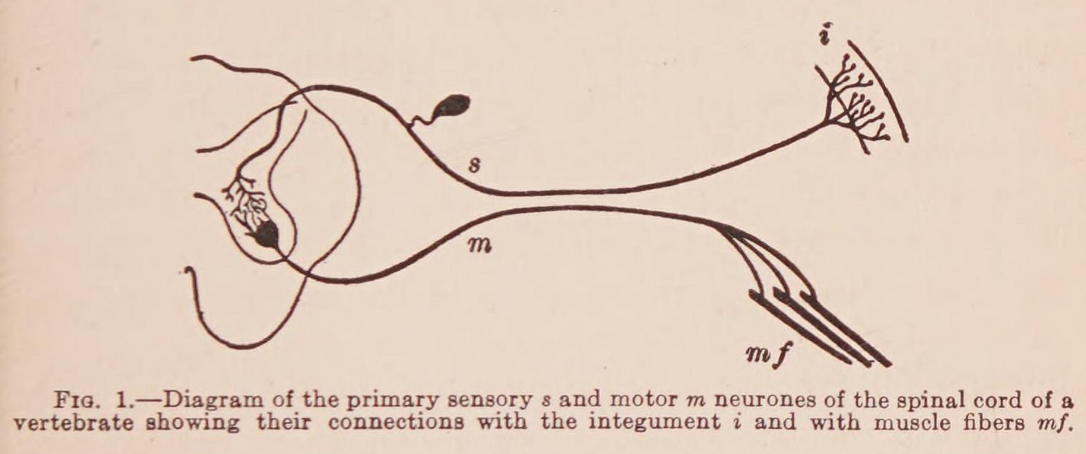
- independent effectors evolved first
- then receptor-effector systems
- then organisation into nerve nets
Neuronal communication by chemical signals?
- argued against the “connectionist view”
- proposed instead that neurons could communicate by specific chemical signals
- like a radio broadcast
- chemicals diffuse through the nervous system
- detected by specific chemical receptors in the target cells
- communications could occur in the absence of synaptic transmission
- discovery of pituitary hormones (1950ies)
 Paul Alfred Weiss (1898 – 1989)
Chemical signalling between cells
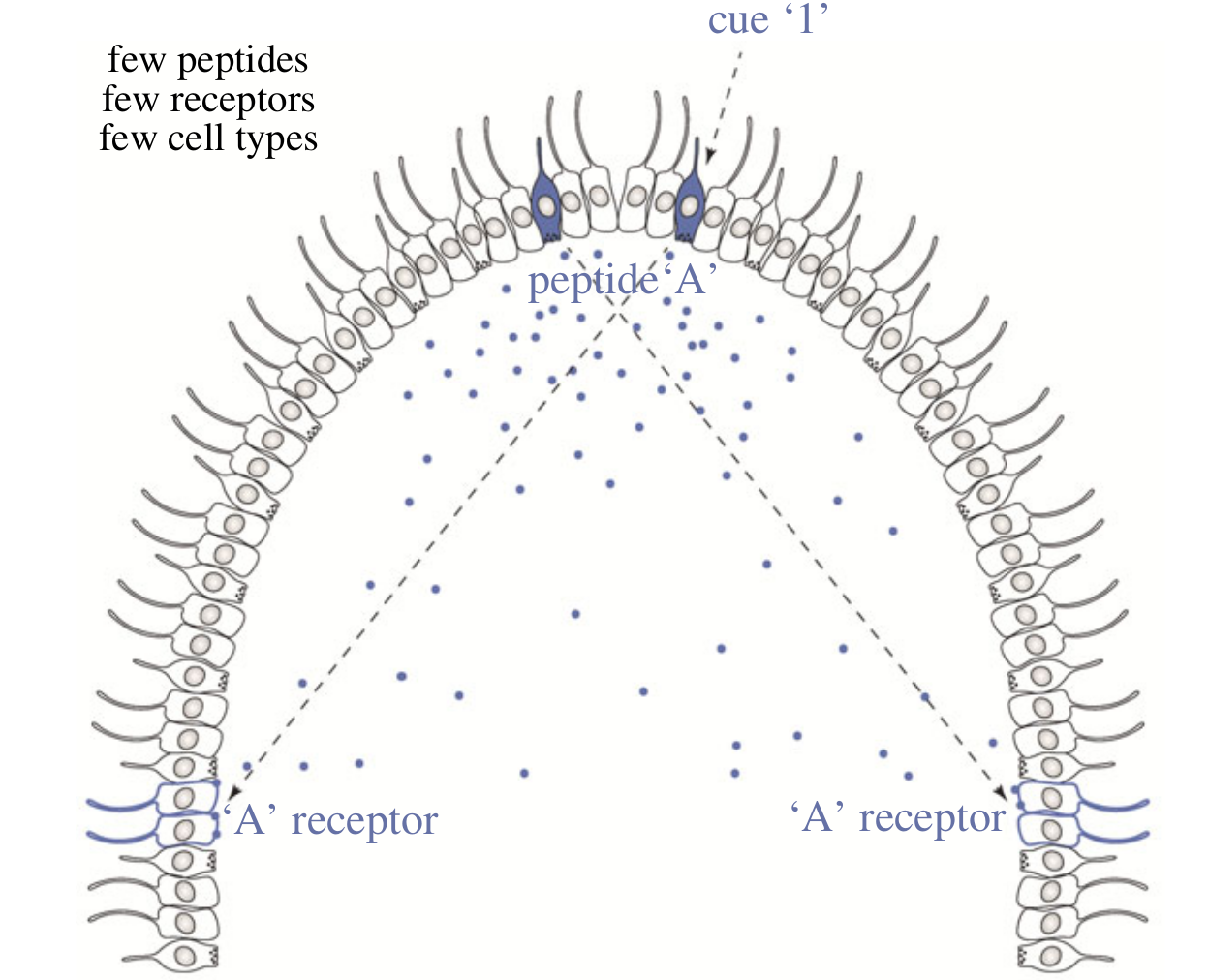
- some cells release a chemical (e.g. short peptide)
- other cells express a specific receptor for the chemical
- receptor activation -> change in cell state
- a specific cell-to-cell signalling is possible
- no synaptic connection
The chemical brain hypothesis
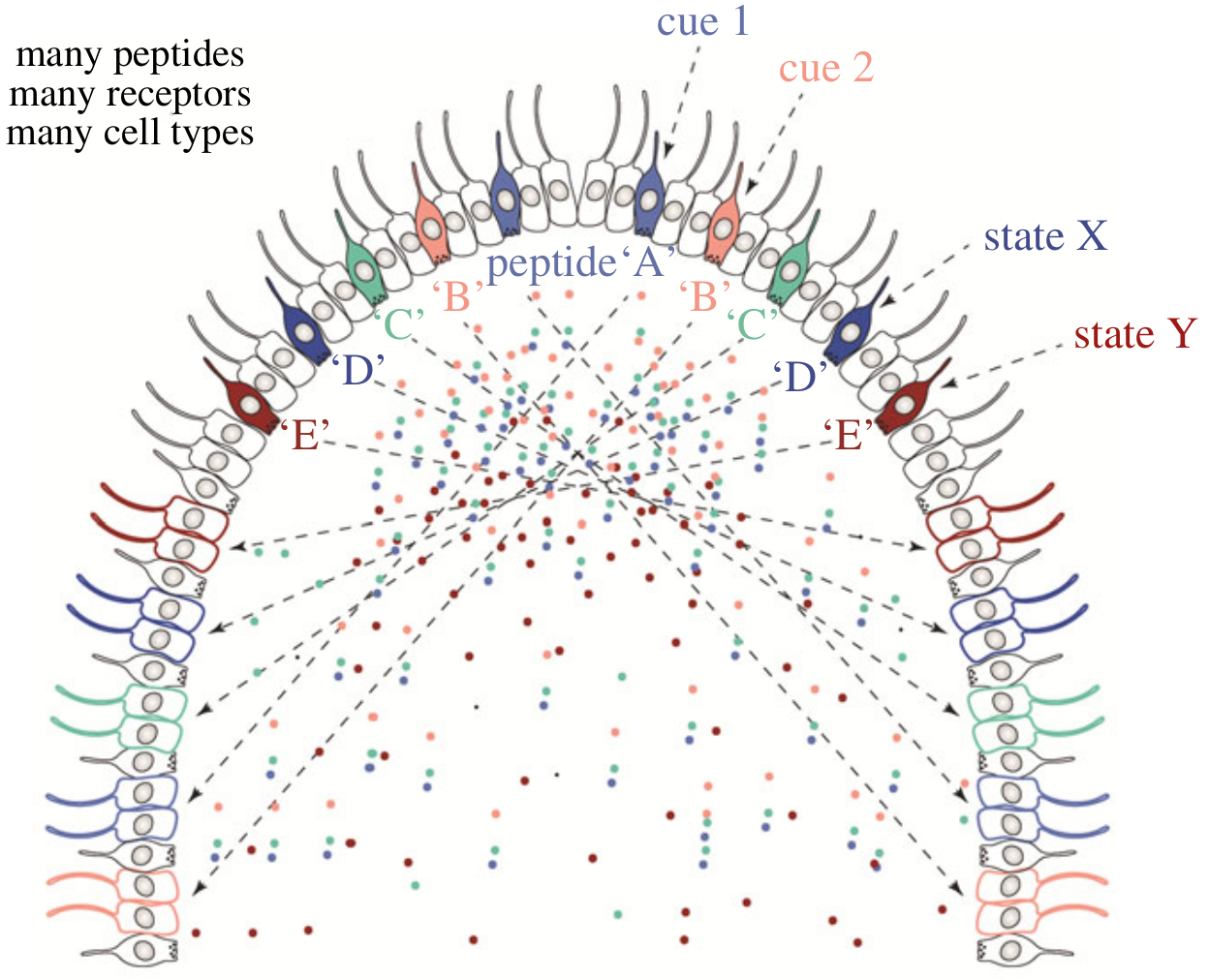
- several cell types, each expressing a different peptide
- specific receptors expressed in target cells
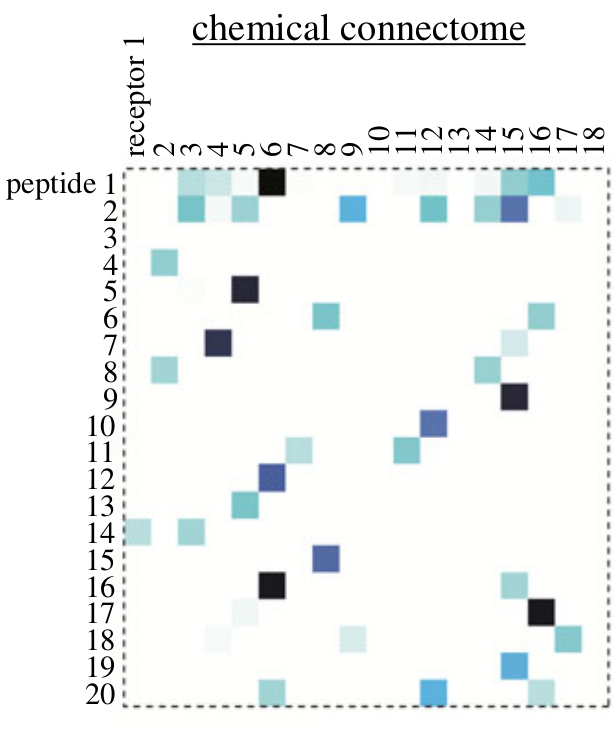
- chemical ‘wiring diagram’
- no synaptic connection
- can be arbitrarily complex
Were the first nervous systems chemically wired?
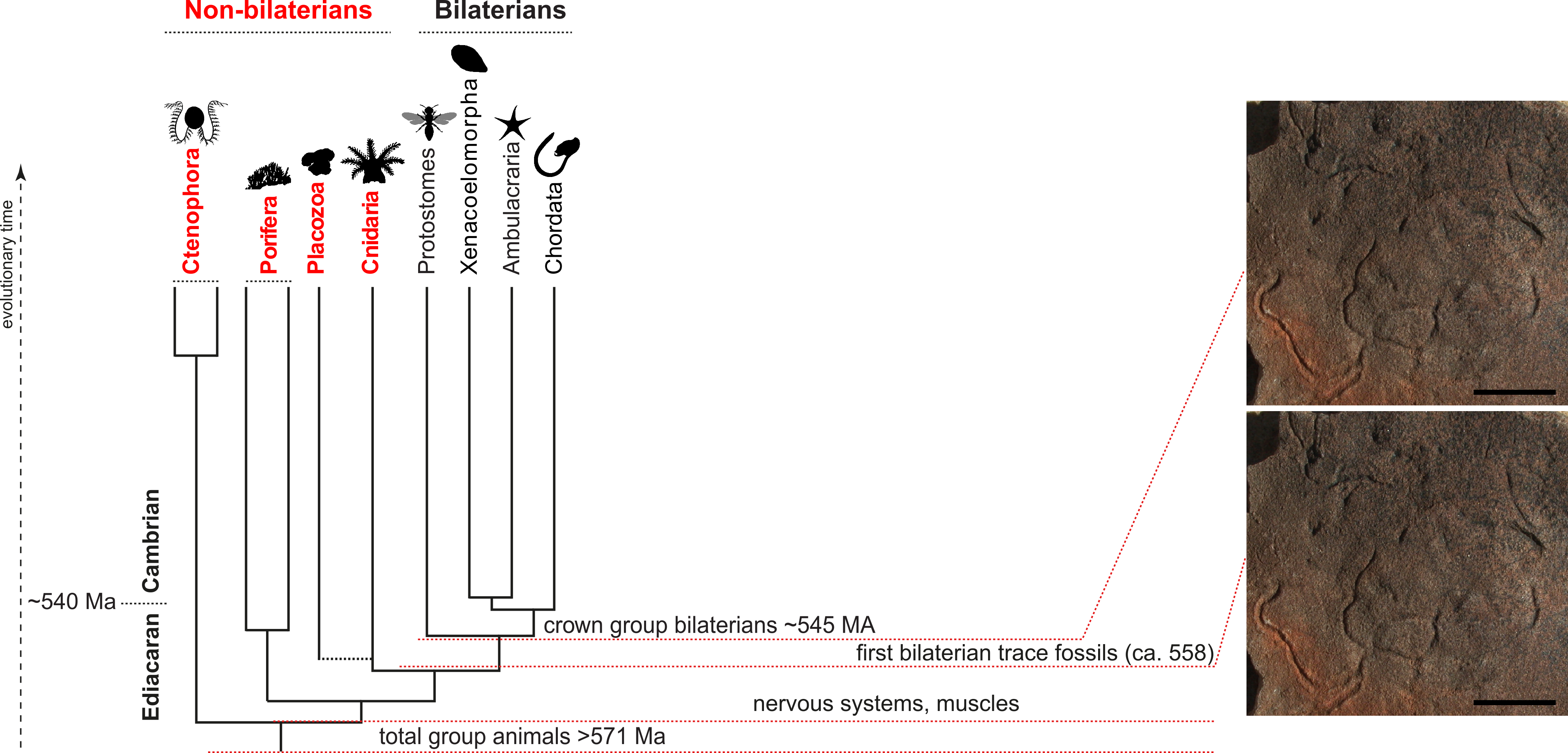
Budd & Jékely
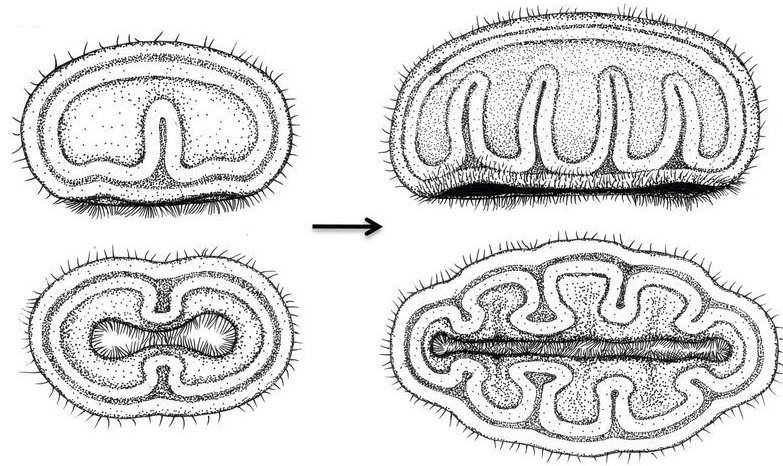
Detlev Arendt
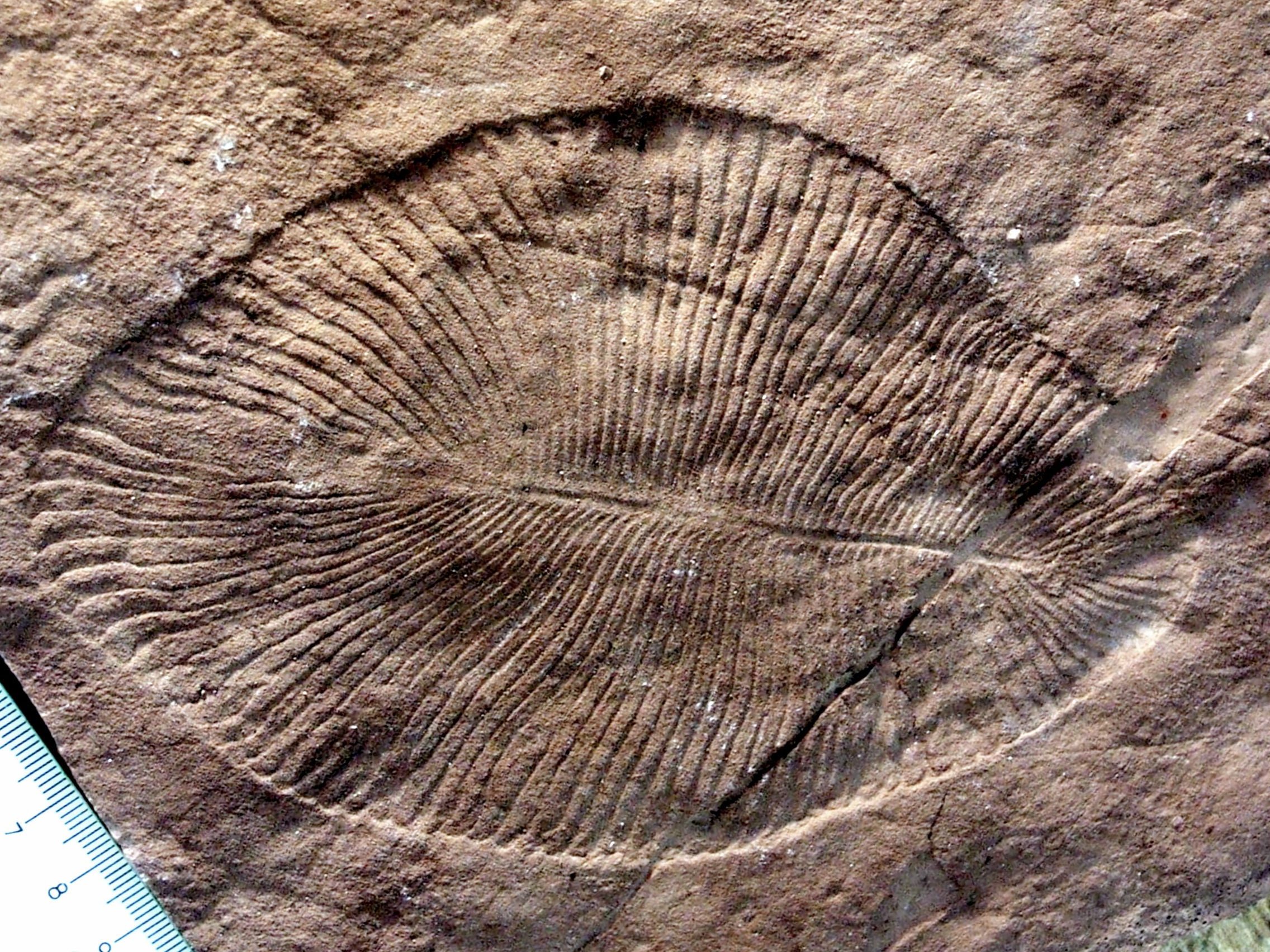
Dickinsonia costata
Acknowledgements
- Alexandra Kerbl
- Karel Mocaer
- Sanja Jasek
- David Hug
- Jules Duruz
- Mateusz Kostecki
- Benedikt Dürr
- Kata Szabó
- Marzia Matejcek
- Ana Verbanac
- Emily Savage
- Simone Wolters
- Anja Ciprianidis
- Kevin Urbansky
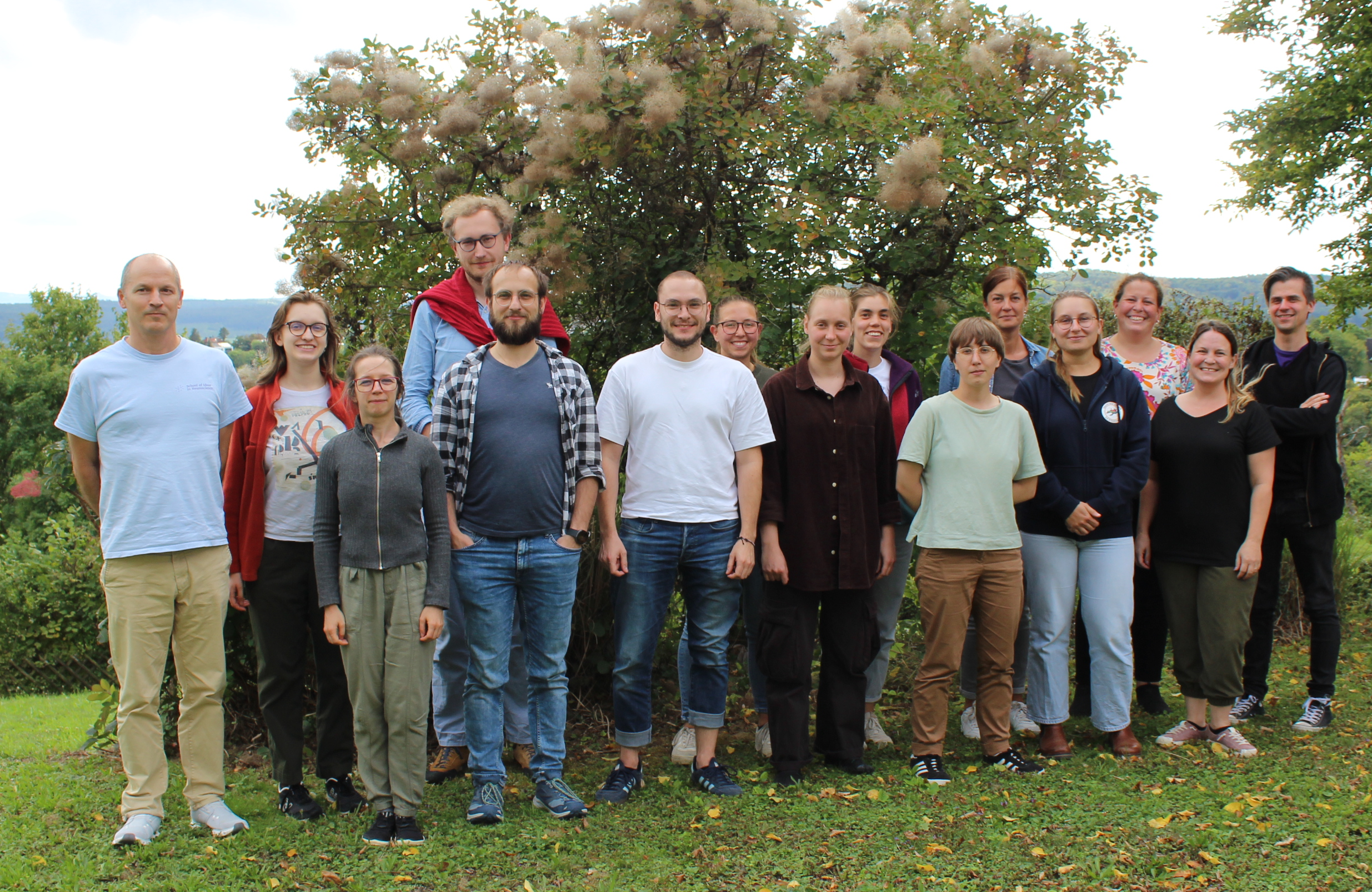

Alumni
- Kei Jokura (NIBB, Okazaki)
- Luis Bezares (LBDV, Villefranche-sur-mer)
- Luis Yanez-Guerra (Southampton)
- Emelie Brodrick (Sussex)
- Csaba Verasztó (EPFL)
Facilities
- Réza Shahidi
- Charlotta Funaya
- Ulrike Engel