Placozoa and the evolution of monoamine neurotransmitters
COS Seminar
May 19, 2026
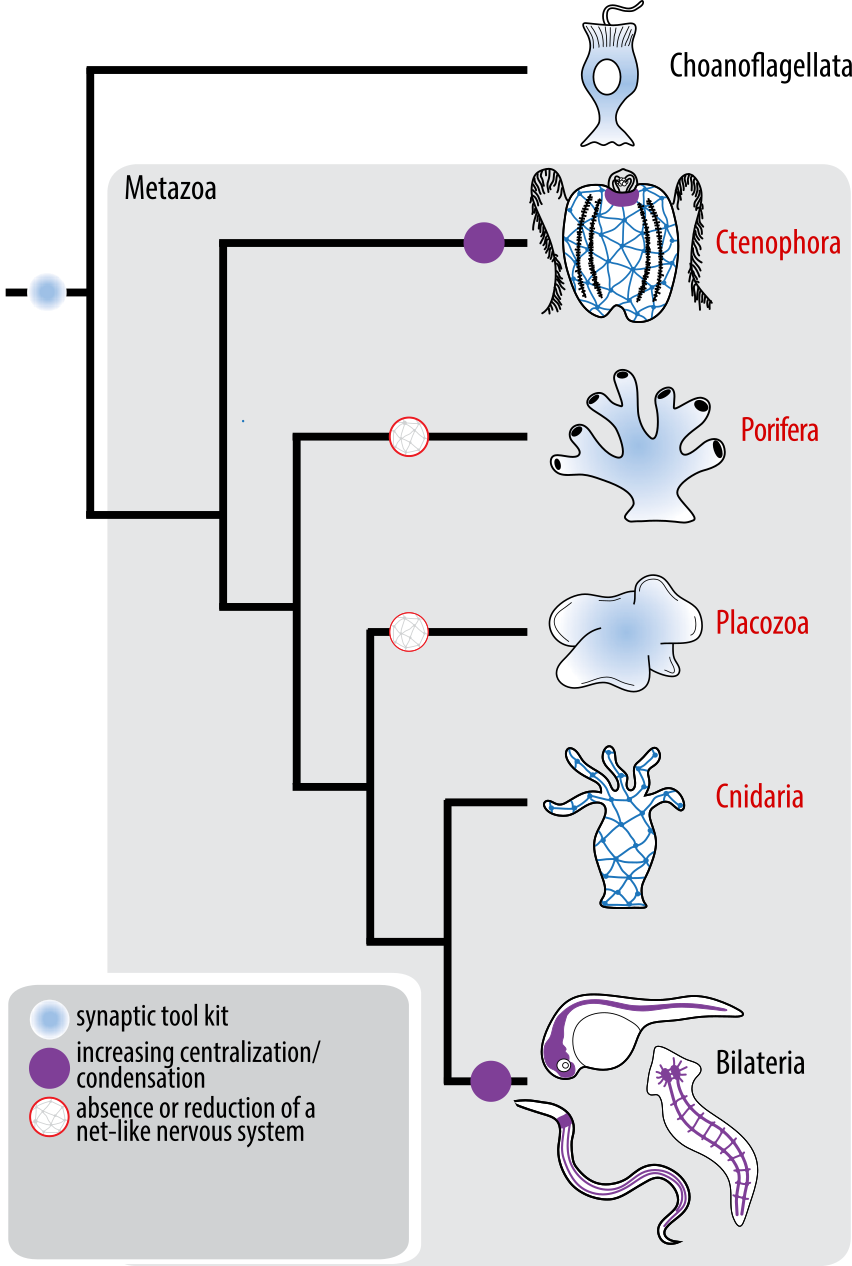
Evolution of nervous systems
mollusk 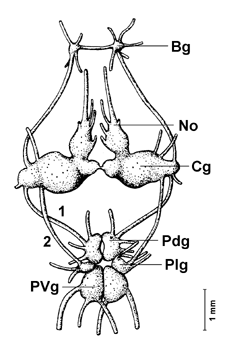
Kilias, 1985
planarian 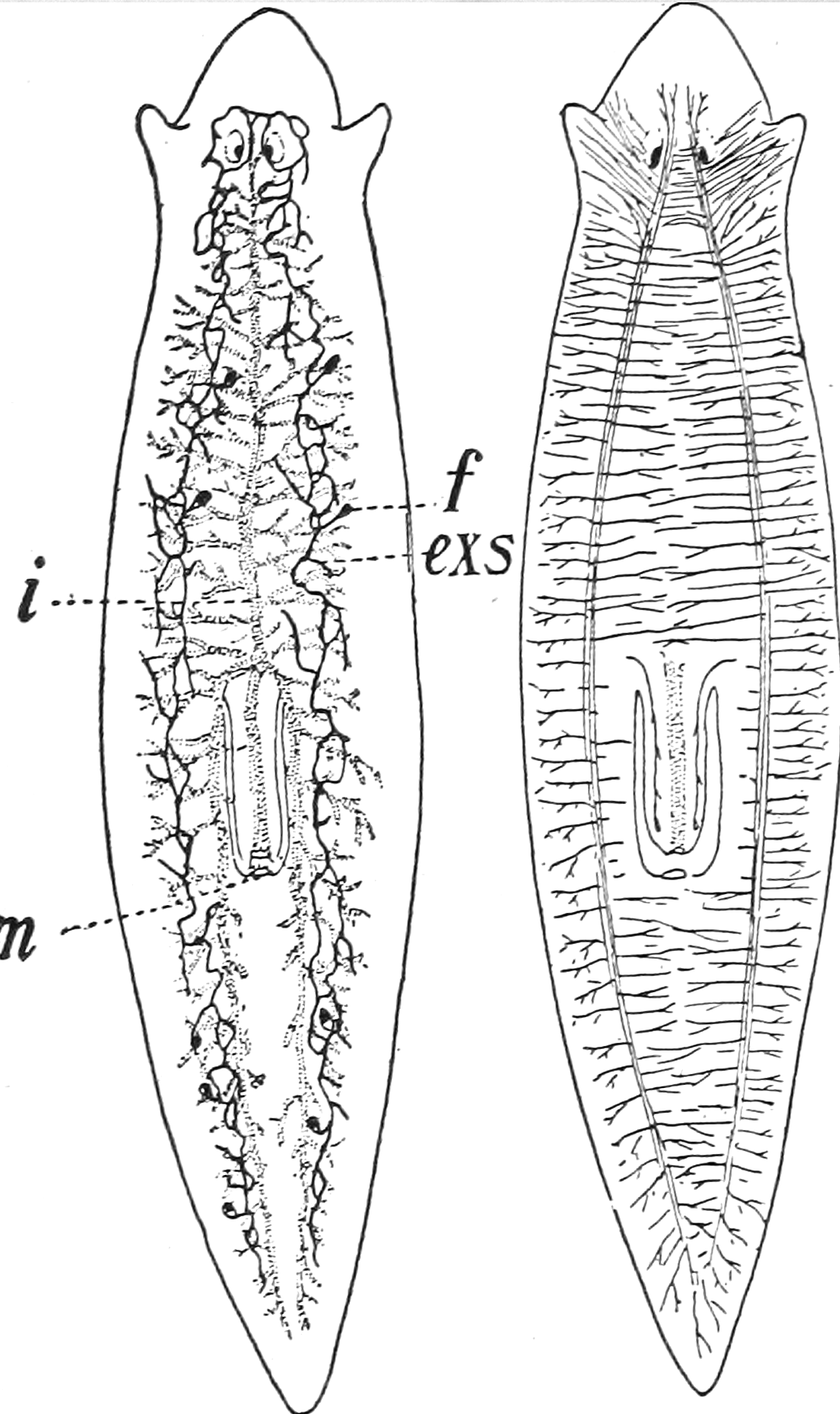
Kellogg, 1903
vertebrate 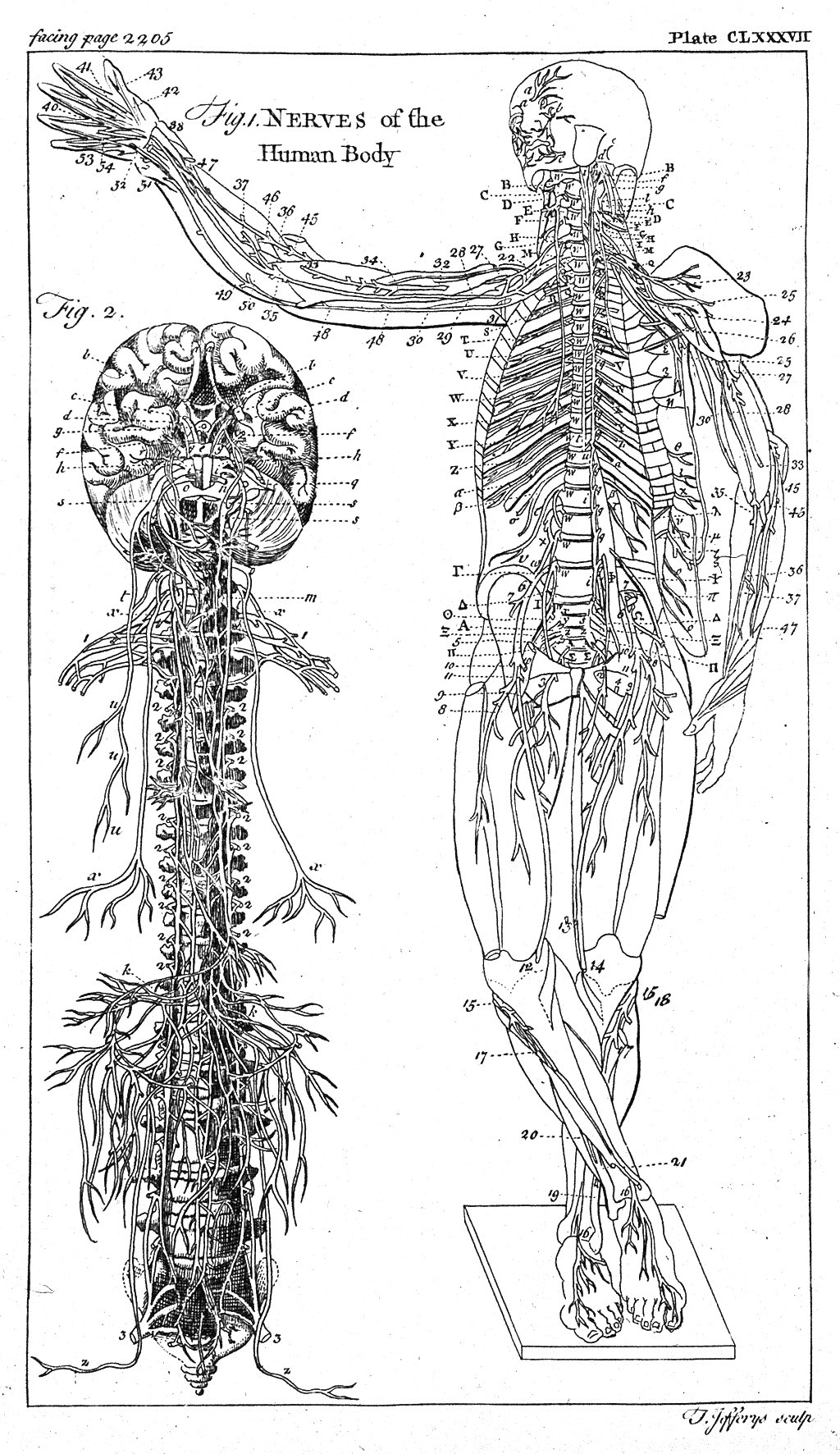
Jefferys, 1763
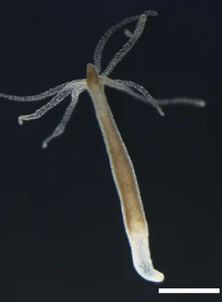
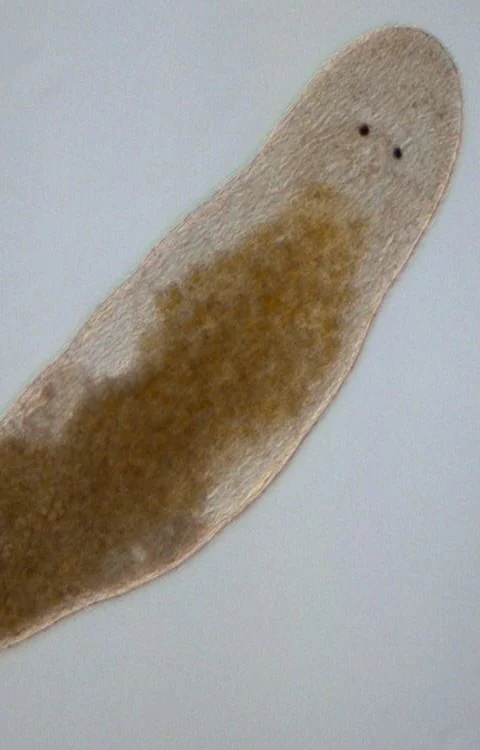
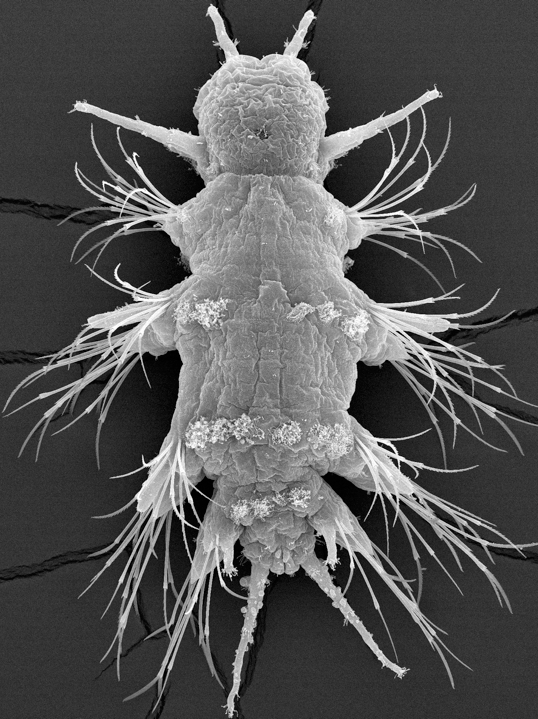
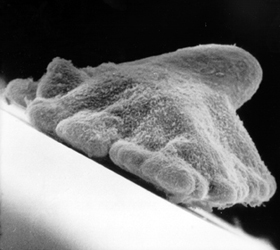
Marine animal models
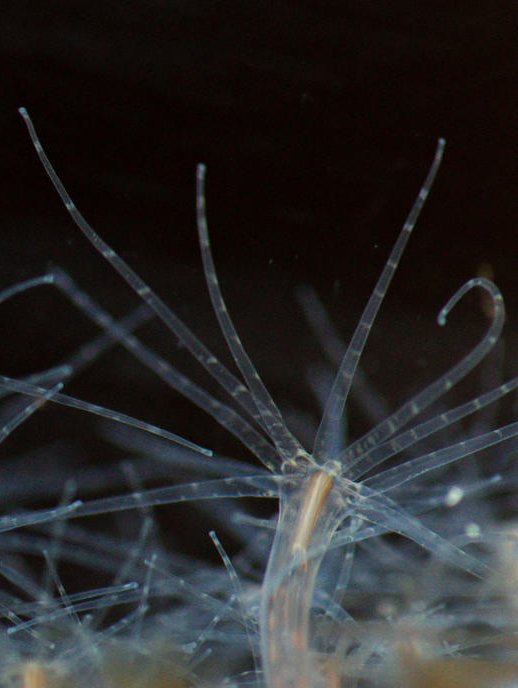
Nematostella
Hydra
Macrostomum
Platynereis
Trichoplax
Neuronal signalling substances are released by vesicle fusion
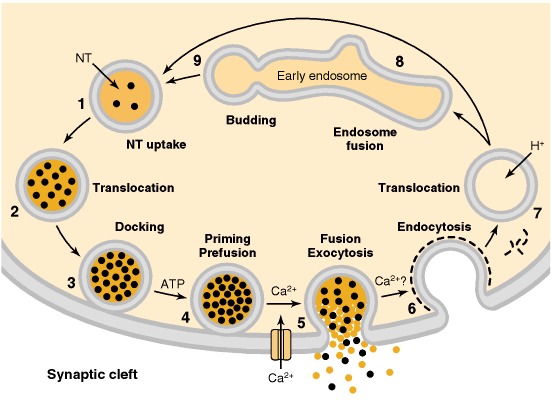
- vesicular release (at the synapse or neuroendocrine)
- small-transmitter release (Glu, GABA, ACh, Gly)
- synaptic or extrasynaptic release of neuropeptides
- synaptic or extrasynaptic release of monoamines (serotonin, melatonin, noradrenaline etc.)
Monoamines
- noradrenaline/norepinephrine (fight-or-flight response, arousal, alertness, locus coeruleus of brainstem)
- serotonin (mood, cognition, reward, learning, memory Raphe nuclei of brainstem)
- melatonin (the hormone of darkness, pineal gland)
- octopamine, tyramine (in invertebrates)
 Noradrenaline
  Serotonin
  Melatonin
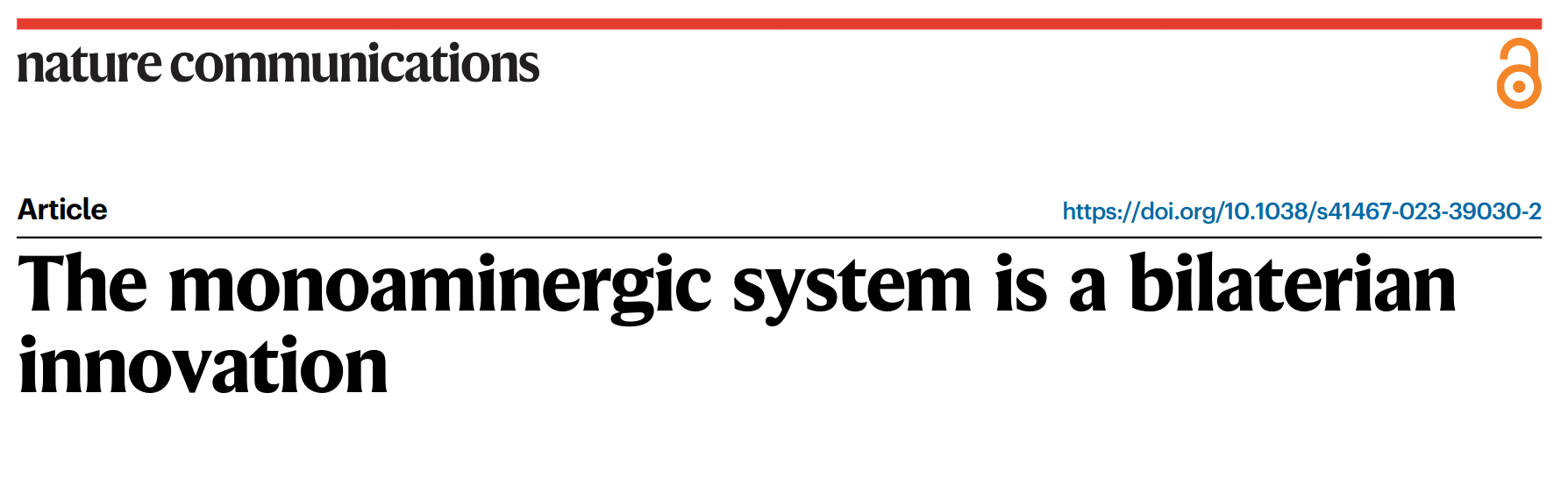
A bilaterian innovation?
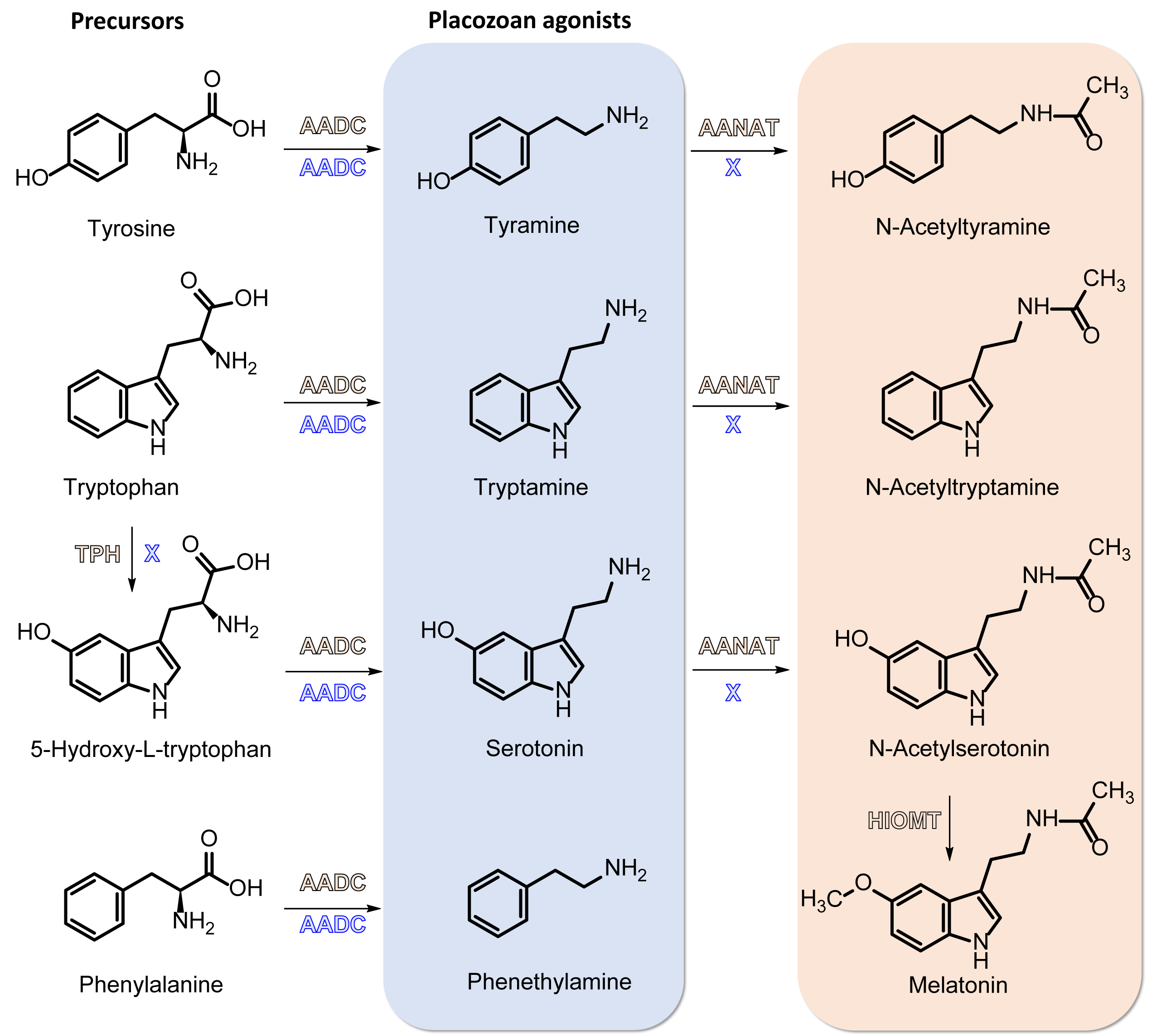
Biosynthesis of monoamines
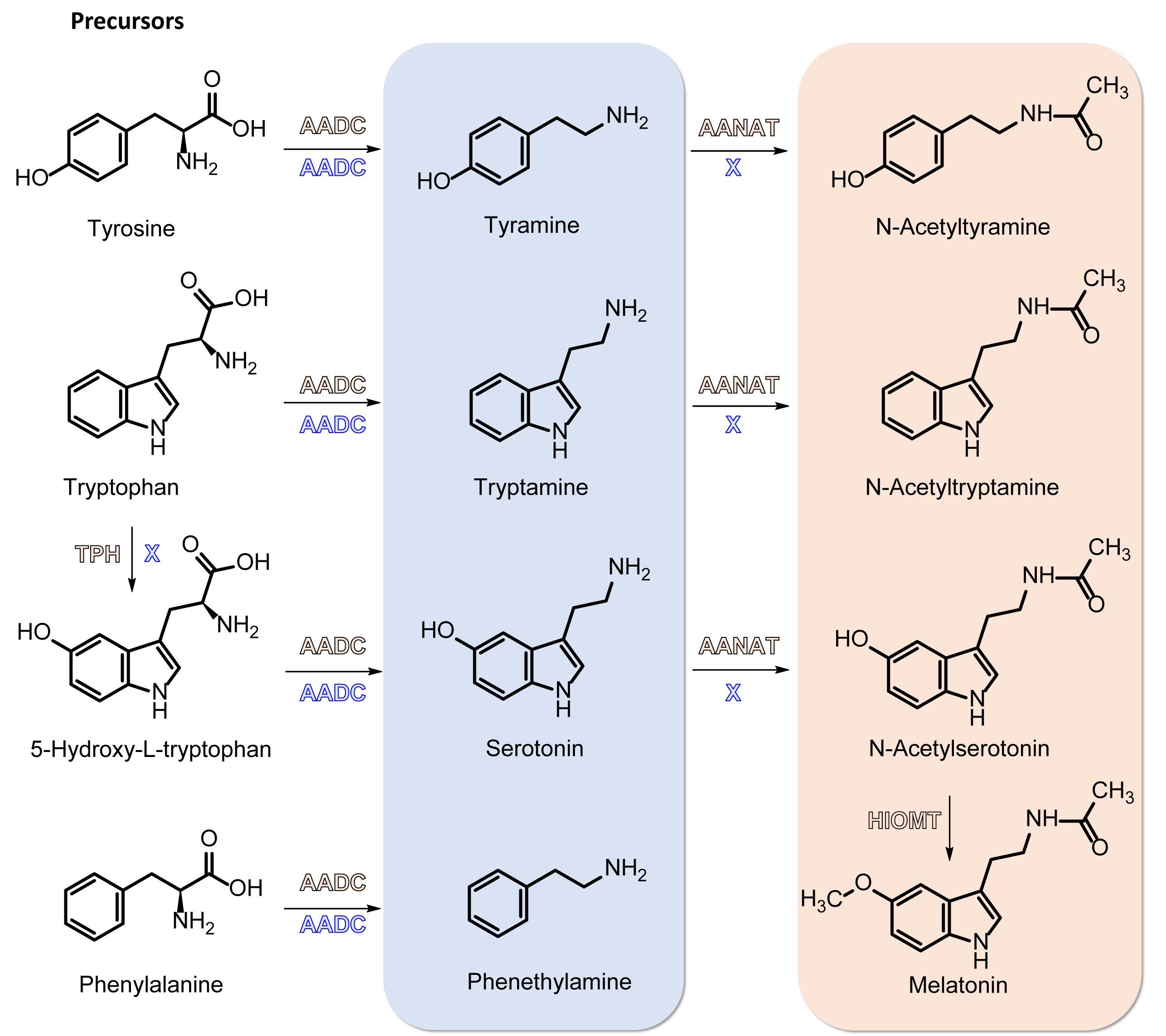
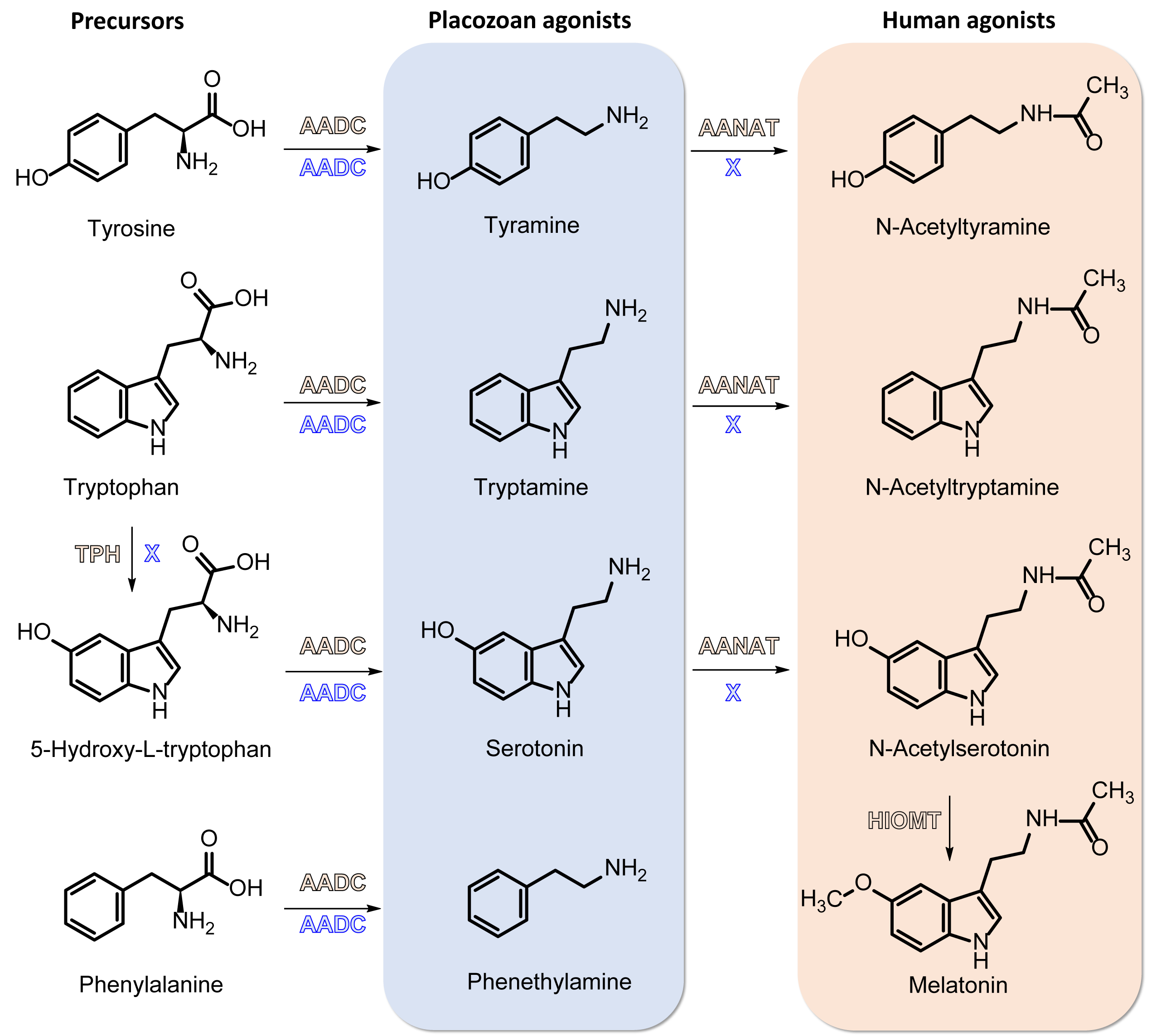
- AADC – aromatic L-amino acid decarboxylase
- AANAT – aralkylamine N-acetyltransferase (‘timezyme’)
- HIOMT – Hydroxyindole O-methyltransferase
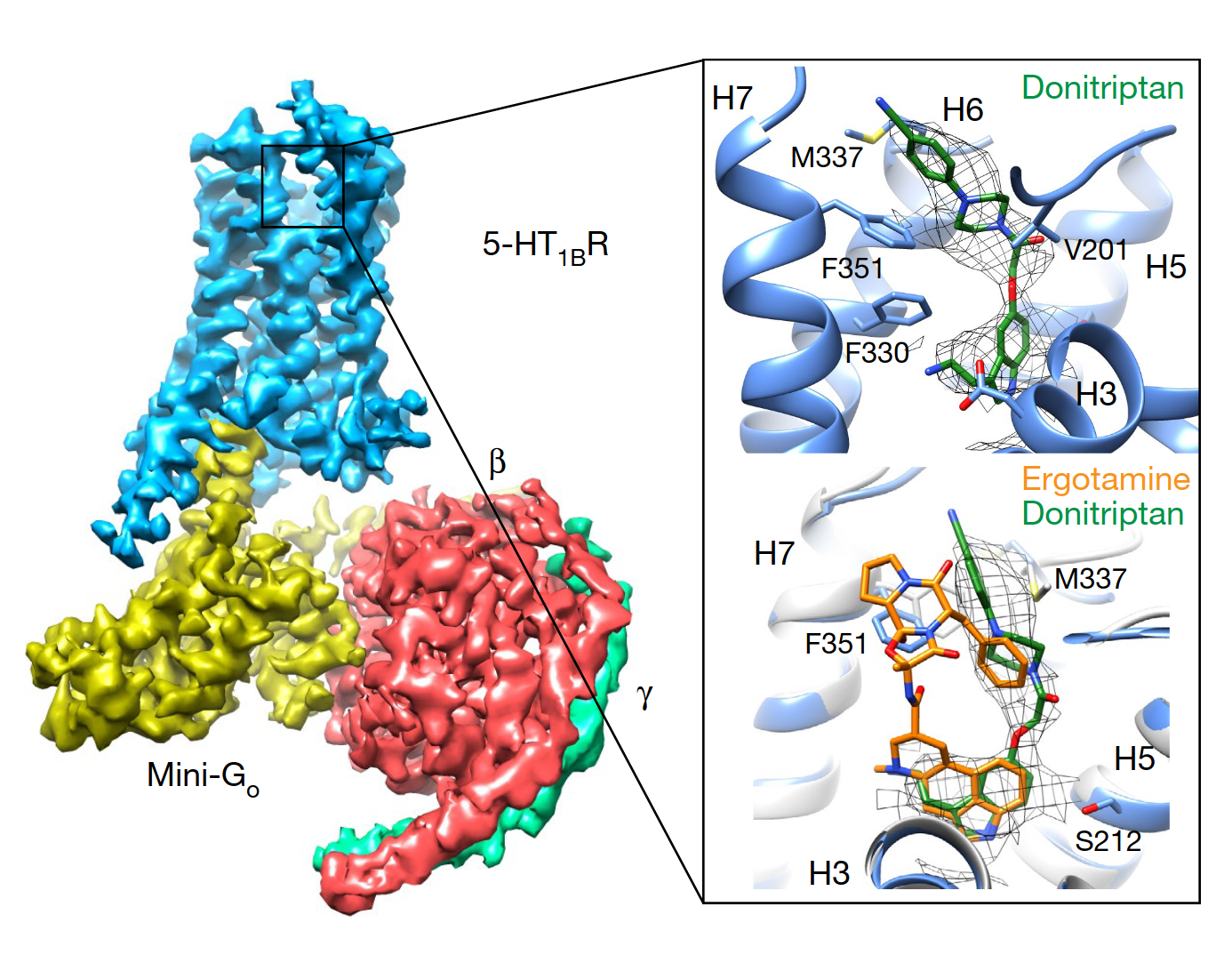
Signalling via G-protein coupled receptors
Placozoans
 Pawel Burkhardt

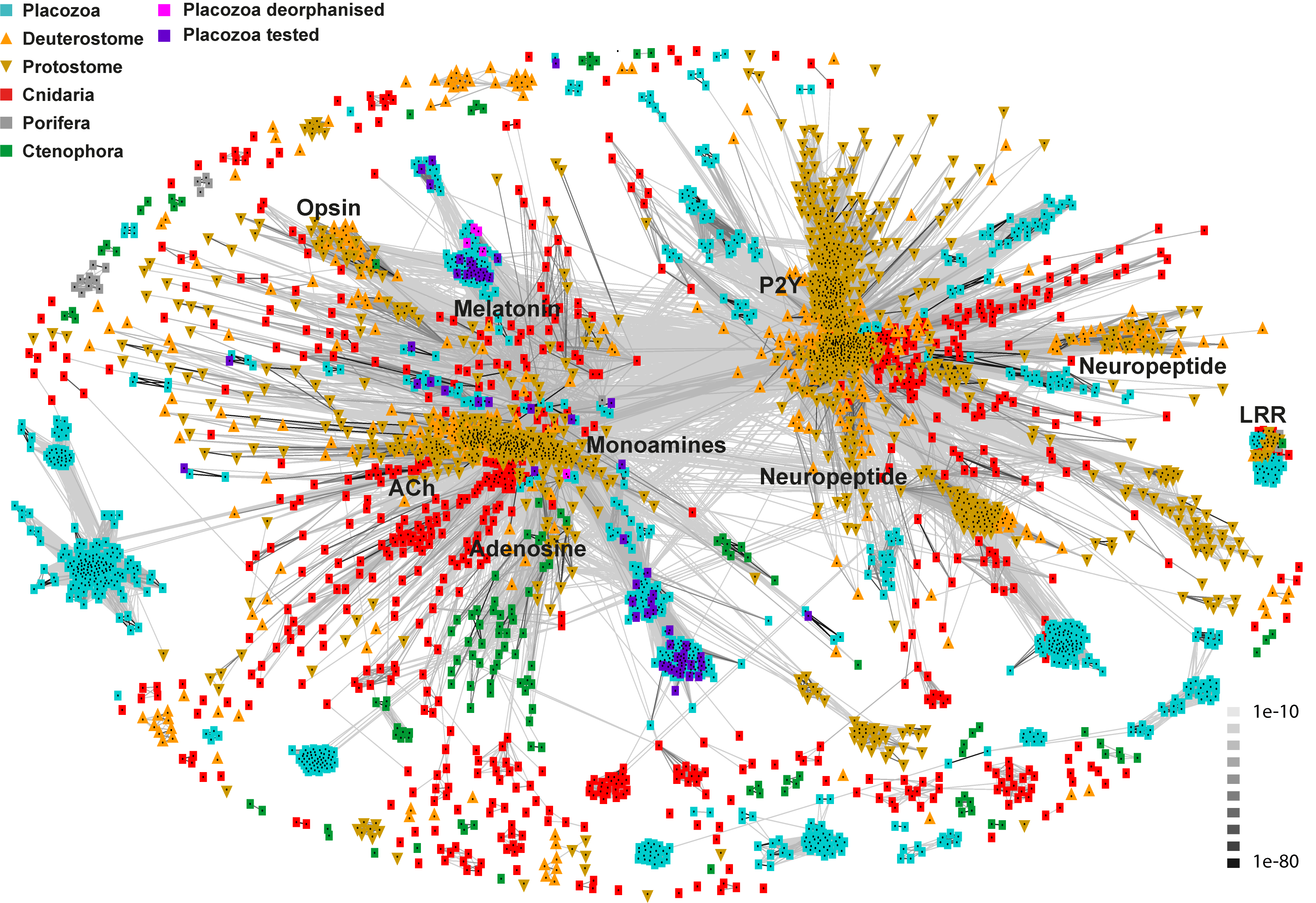
The GPCR universe
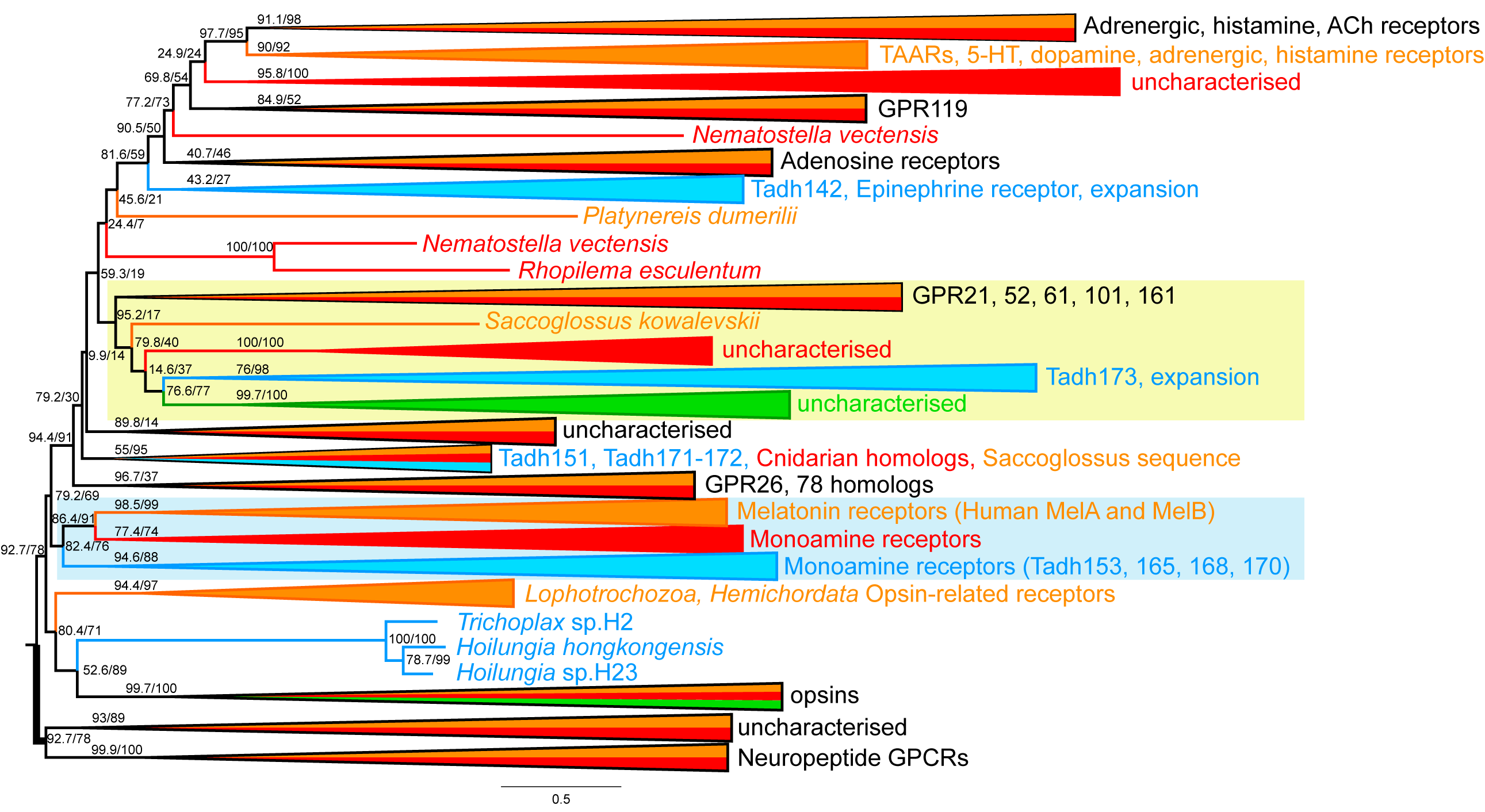
GPCR phylogeny – placozoan orthologs of human melatonin receptors
MS analysis – endogenous placozoan monoamines
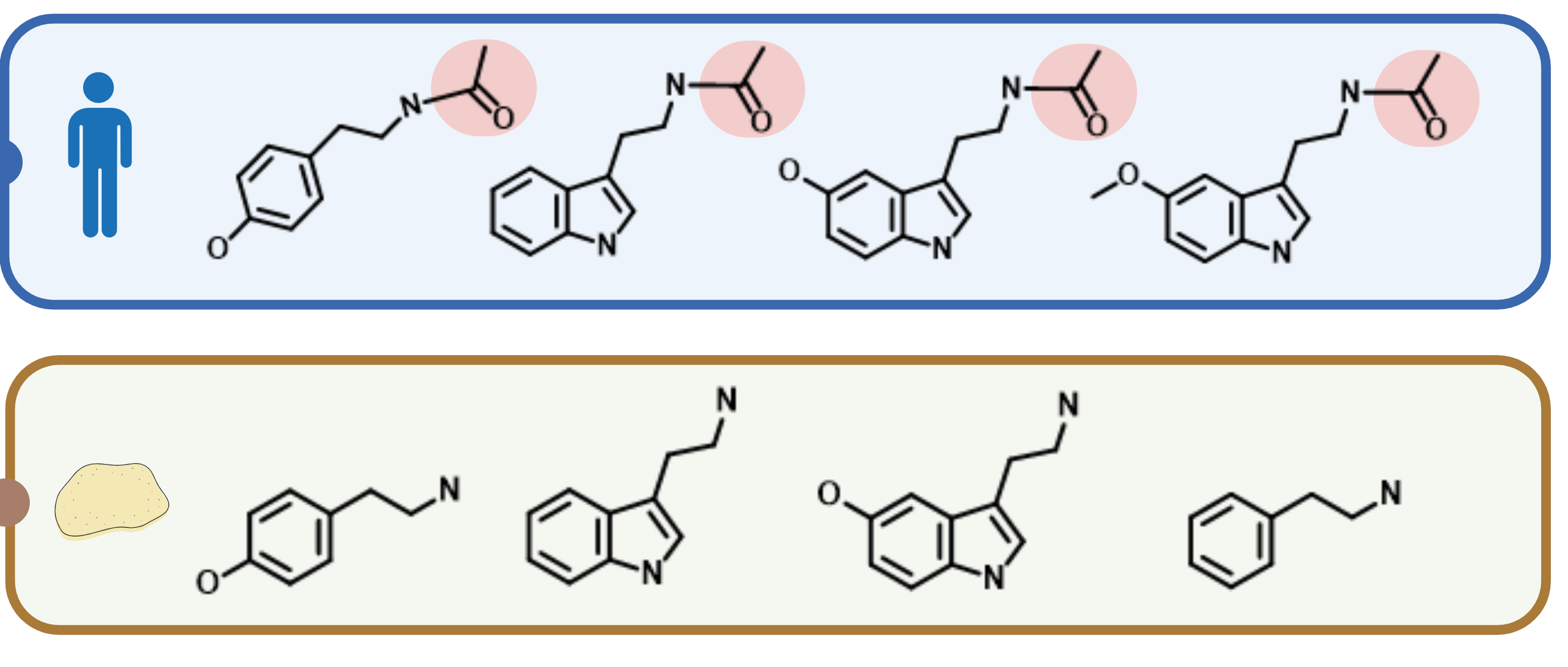
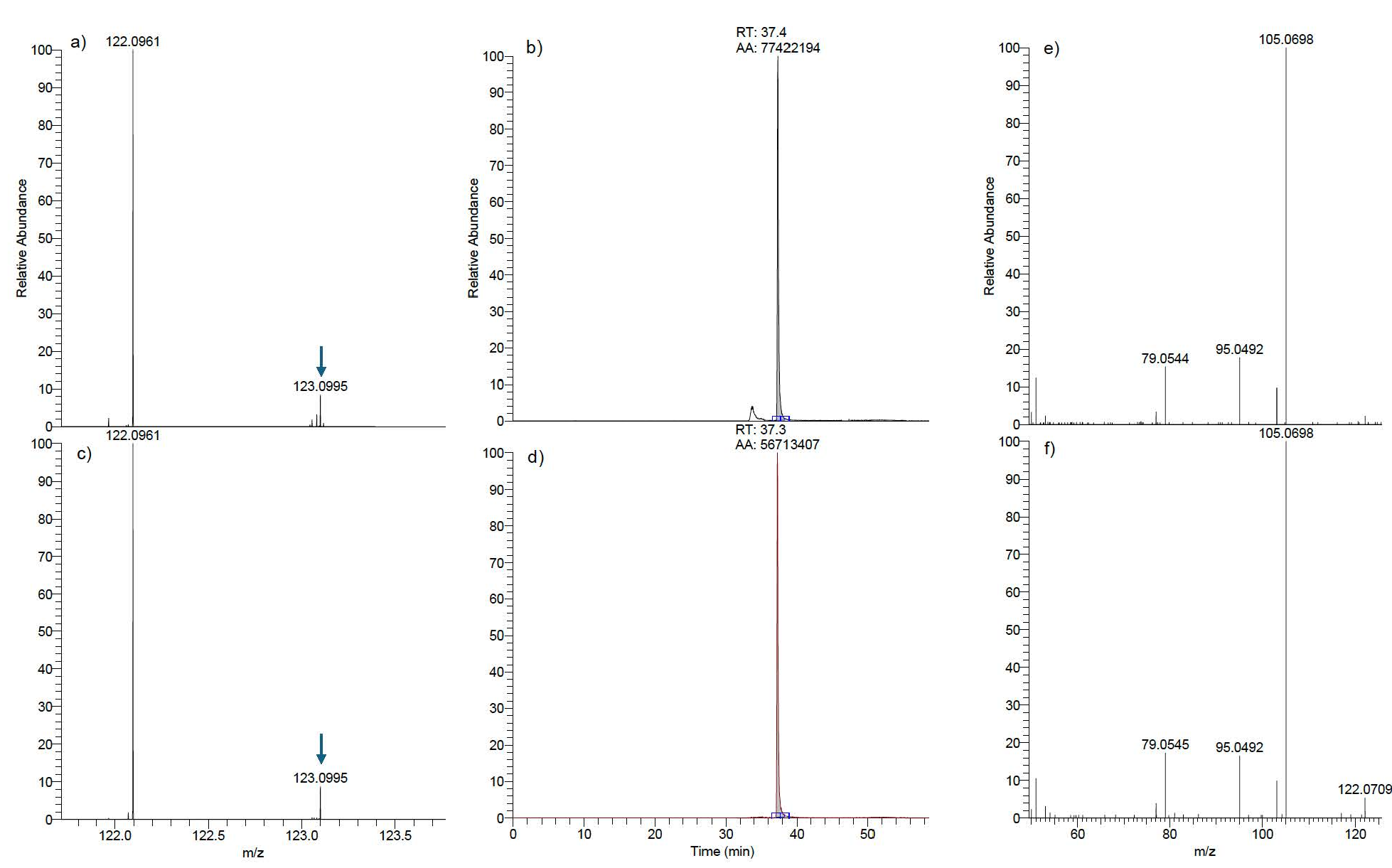
Phenethylamine ✓, Tryptamine ✓, Tyramine ✓
Biosynthesis of monoamines
- AADC – aromatic L-amino acid decarboxylase
- AANAT – aralkylamine N-acetyltransferase (‘timezyme’)
- HIOMT – Hydroxyindole O-methyltransferase
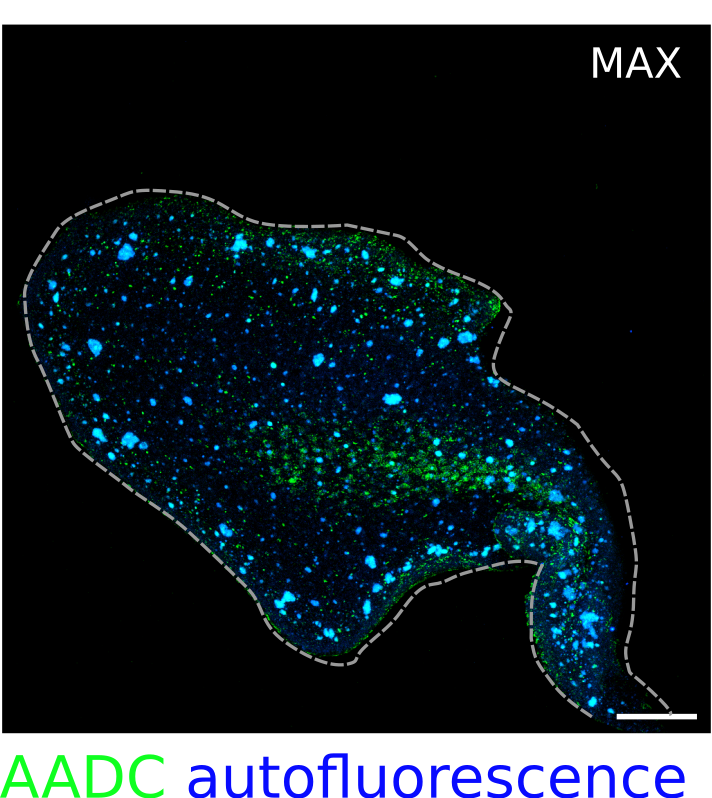
A functional AADC enzyme in placozoans
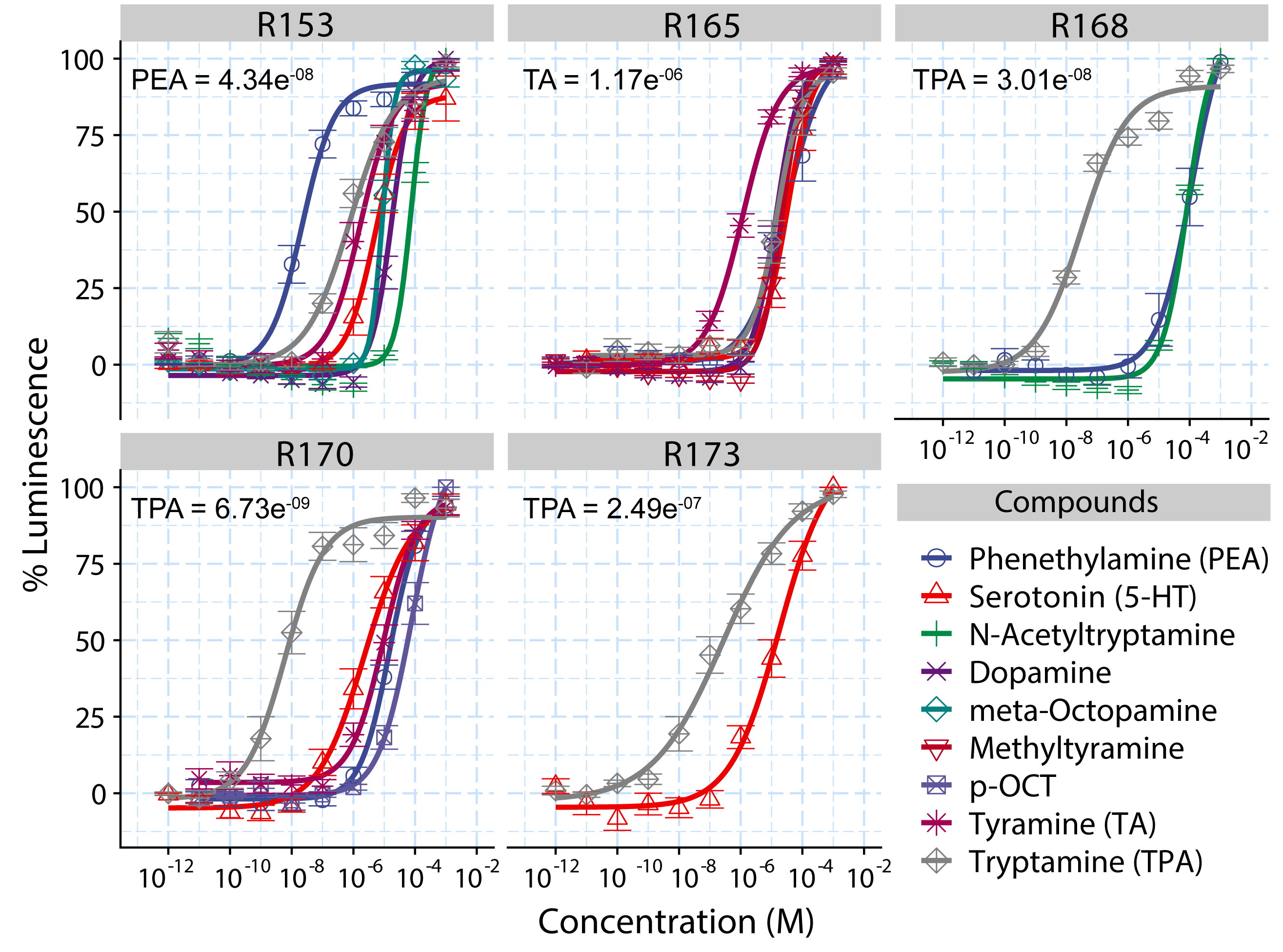
Large-scale pharmacological screen
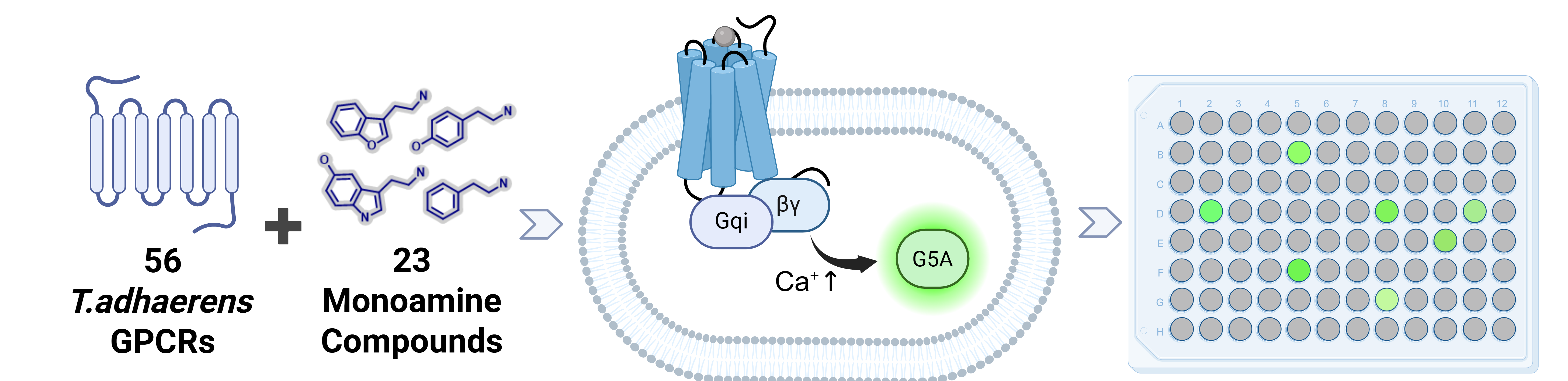
- in vitro assay
- GPCR expressed with promiscuous G-protein
- compounds added
- Ca2+ signal measured with reporter
Placozoan monoamine receptors
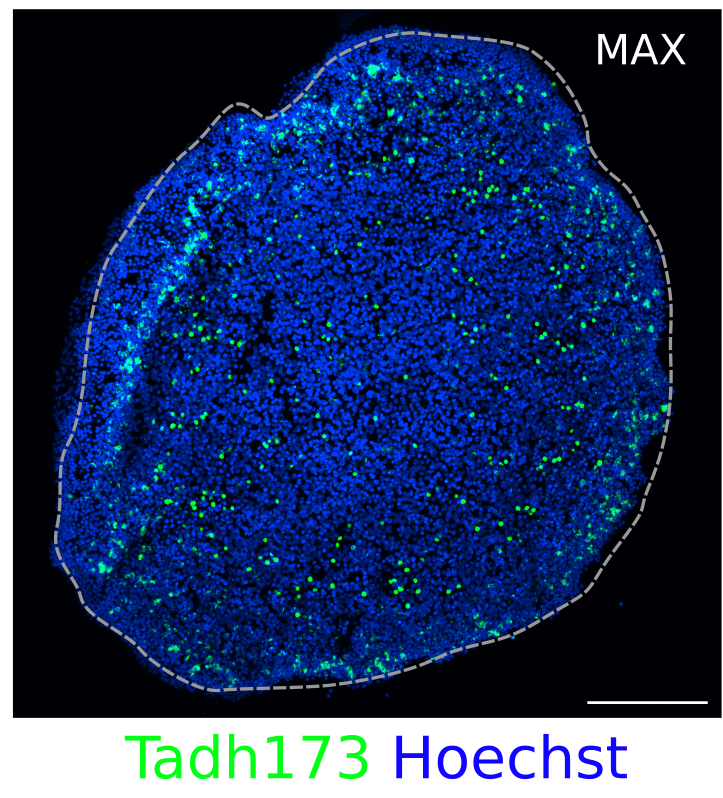
Receptor expression mapped to cell types

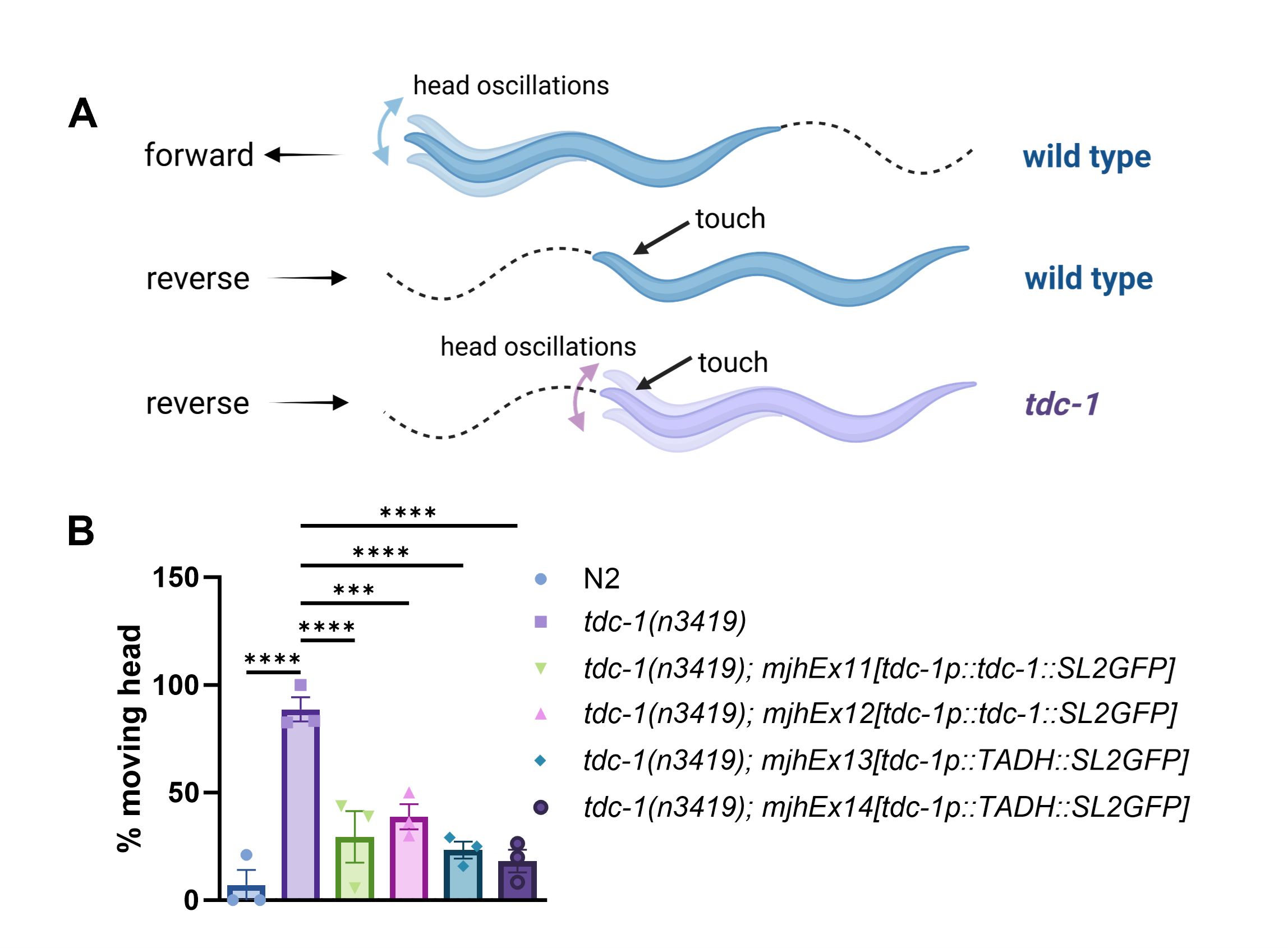
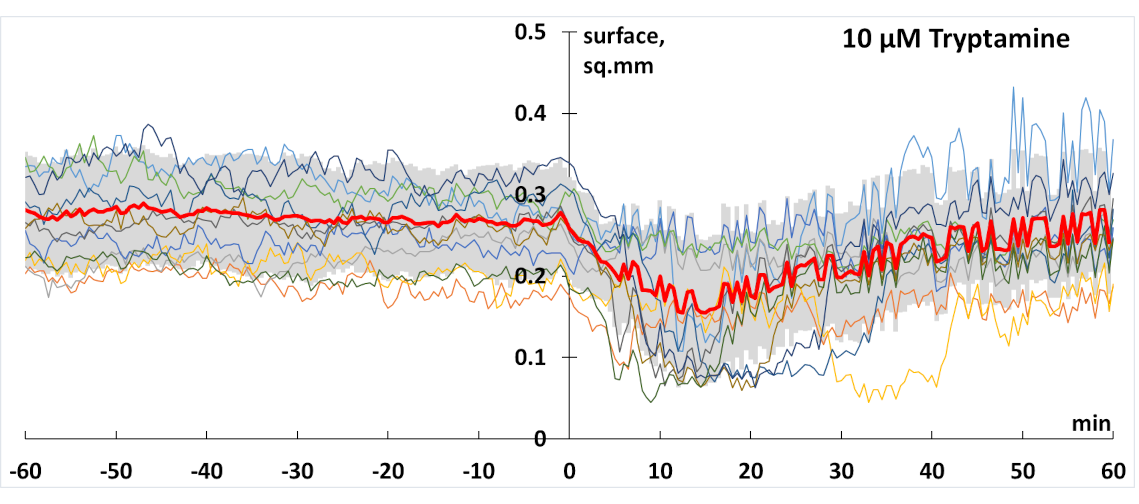
Behavioural effects
Biosynthesis of monoamines
Human evolutionary pharmacology
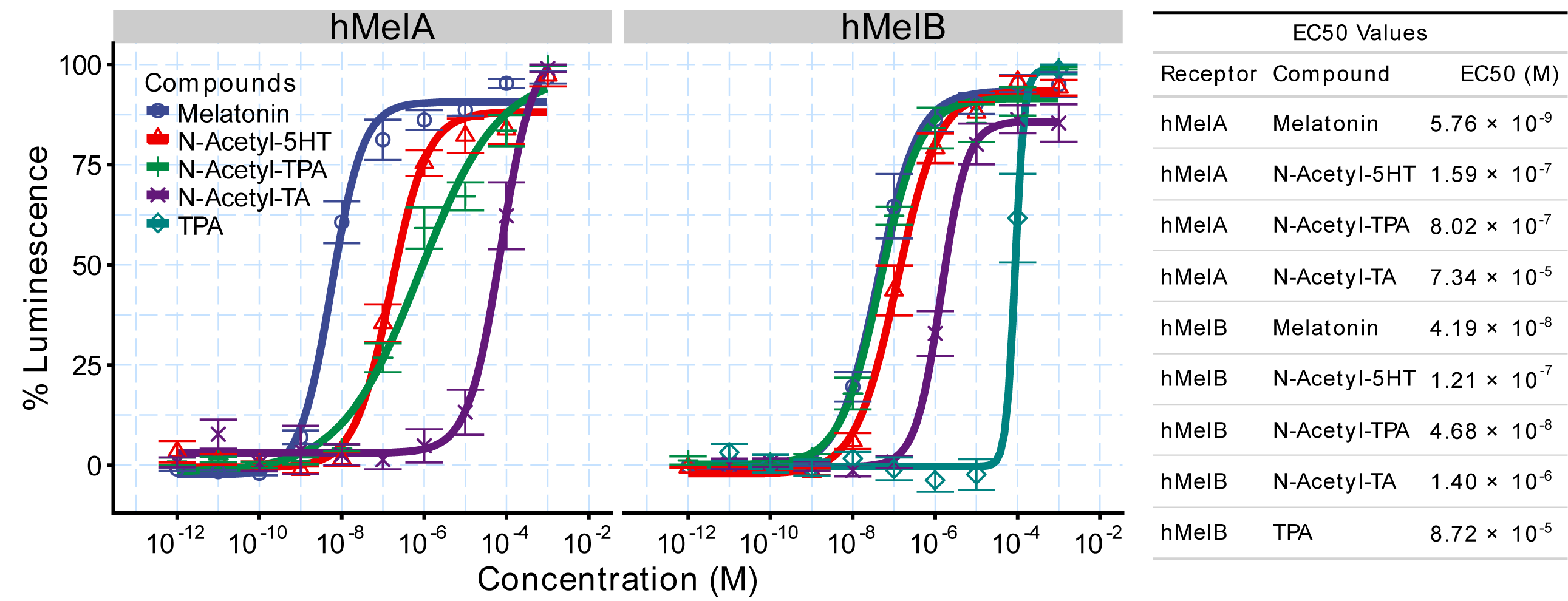
- acetylated versions of the placozoan agonists activate human melatonin receptors
- hMelB: N-acetyltryptamine as potent as melatonin
Evolution by pathway accretion
Summary
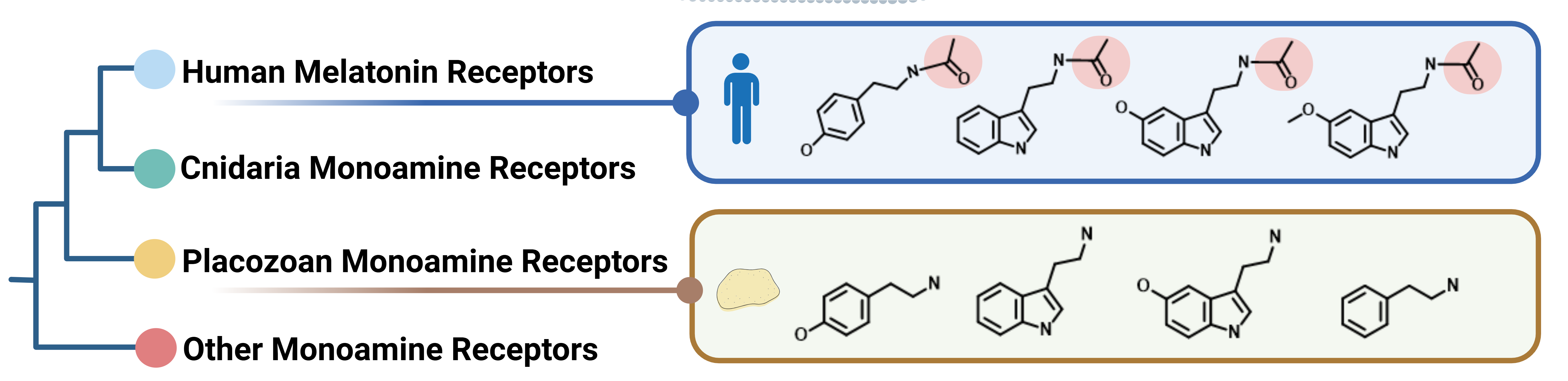
- common ancestor had non-acetylated versions of monoamines
- pathway evolved in vertebrates by AANAT neofunctionalisation (Falcón et al 2013)
- studying placozoans can reveal new human biology
- melatonin signalling likely vertebrate innovation
Acknowledgements
- Alexandra Kerbl
- Karel Mocaer
- Sanja Jasek
- David Hug
- Jules Duruz
- Mateusz Kostecki
- Benedikt Dürr
- Kata Szabó
- Marzia Matejcek
- Ana Verbanac
- Emily Savage
- Simone Wolters
- Anja Ciprianidis
- Kevin Urbansky
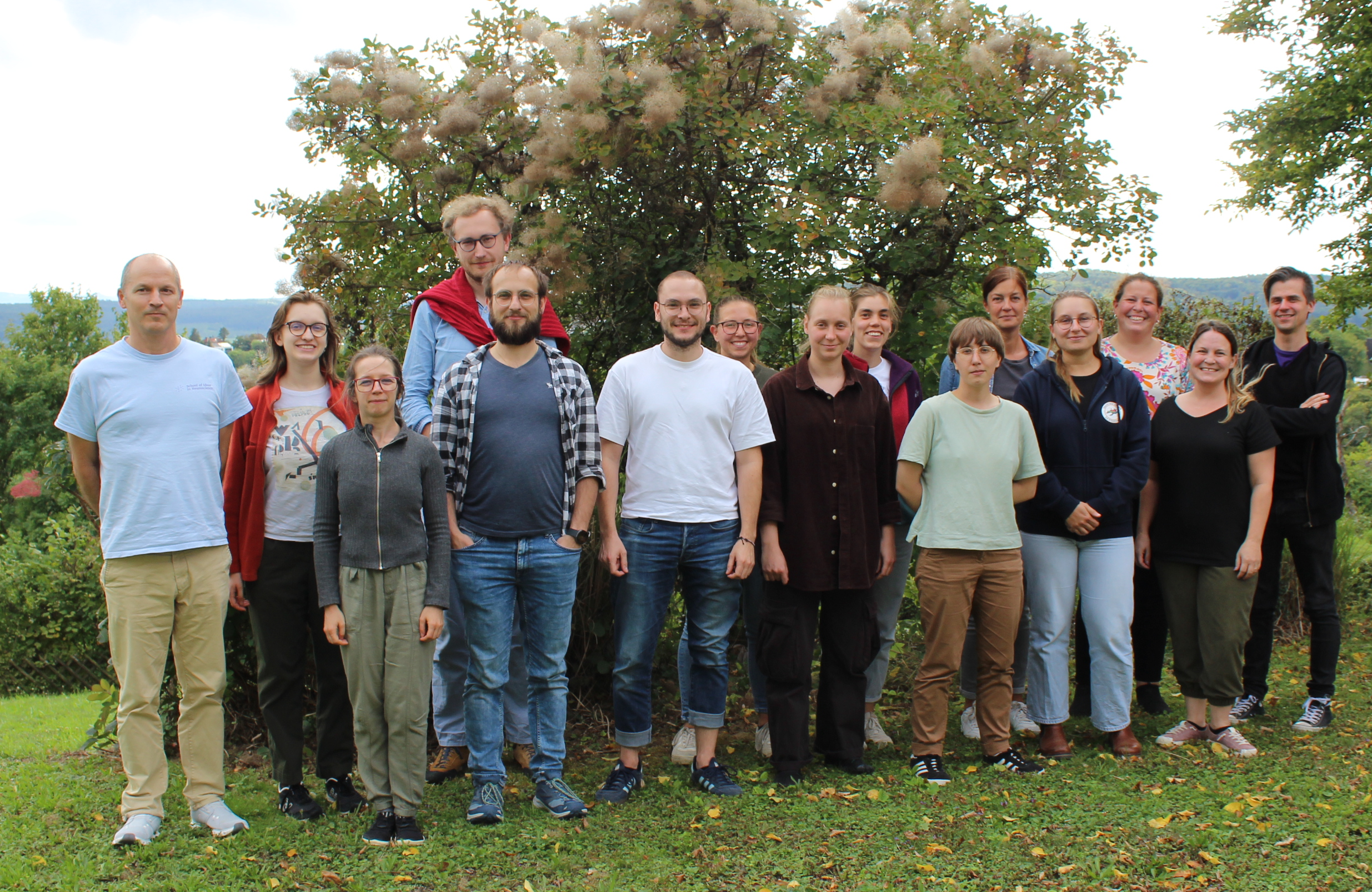

Alumni
- Kei Jokura (NIBB, Okazaki)
- Luis Bezares (LBDV, Villefranche-sur-mer)
- Luis Yanez-Guerra (Southampton)
- Emelie Brodrick (Sussex)
- Csaba Verasztó (EPFL)
Facilities
- Réza Shahidi
- Charlotta Funaya
- Ulrike Engel