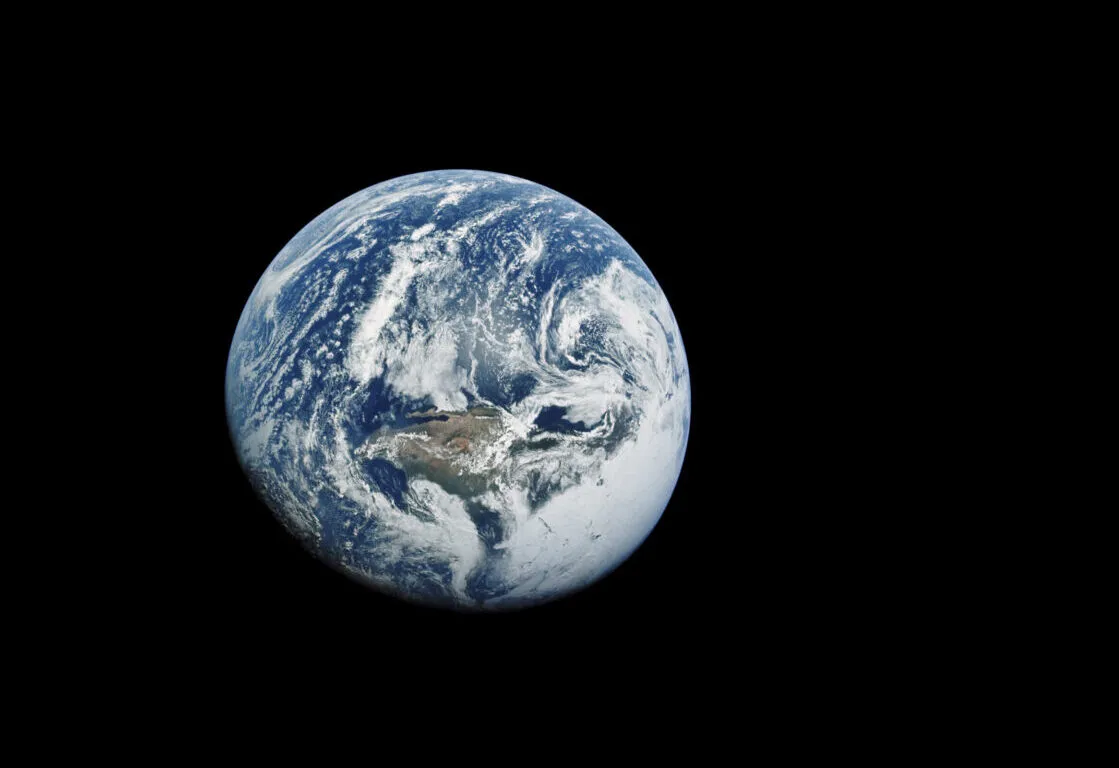
Can humans colonise space?
Visit of Tibor Kapu, Hungarian research astronaut and his delegation - 3 July 2026
Welcome to COS

- COS is a central scientific unit (zentrale Wissenschaftliche Einrichtung) of Heidelberg University
- Founded in 2010
- mission: decoding complex molecular mechanisms and understanding of organismal development, physiology, and evolution
- 24 independent research groups (16 professors)
Research and teaching at COS
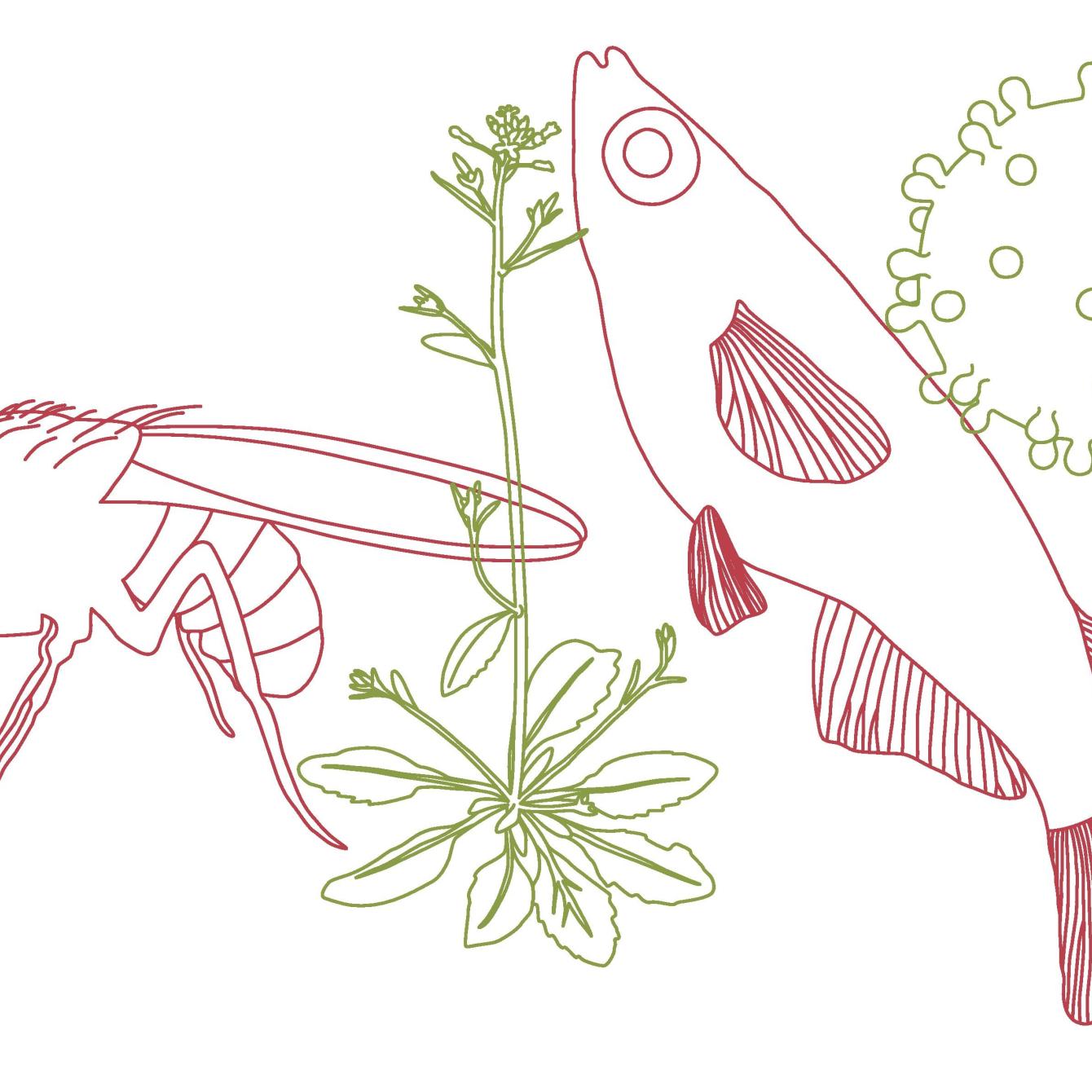
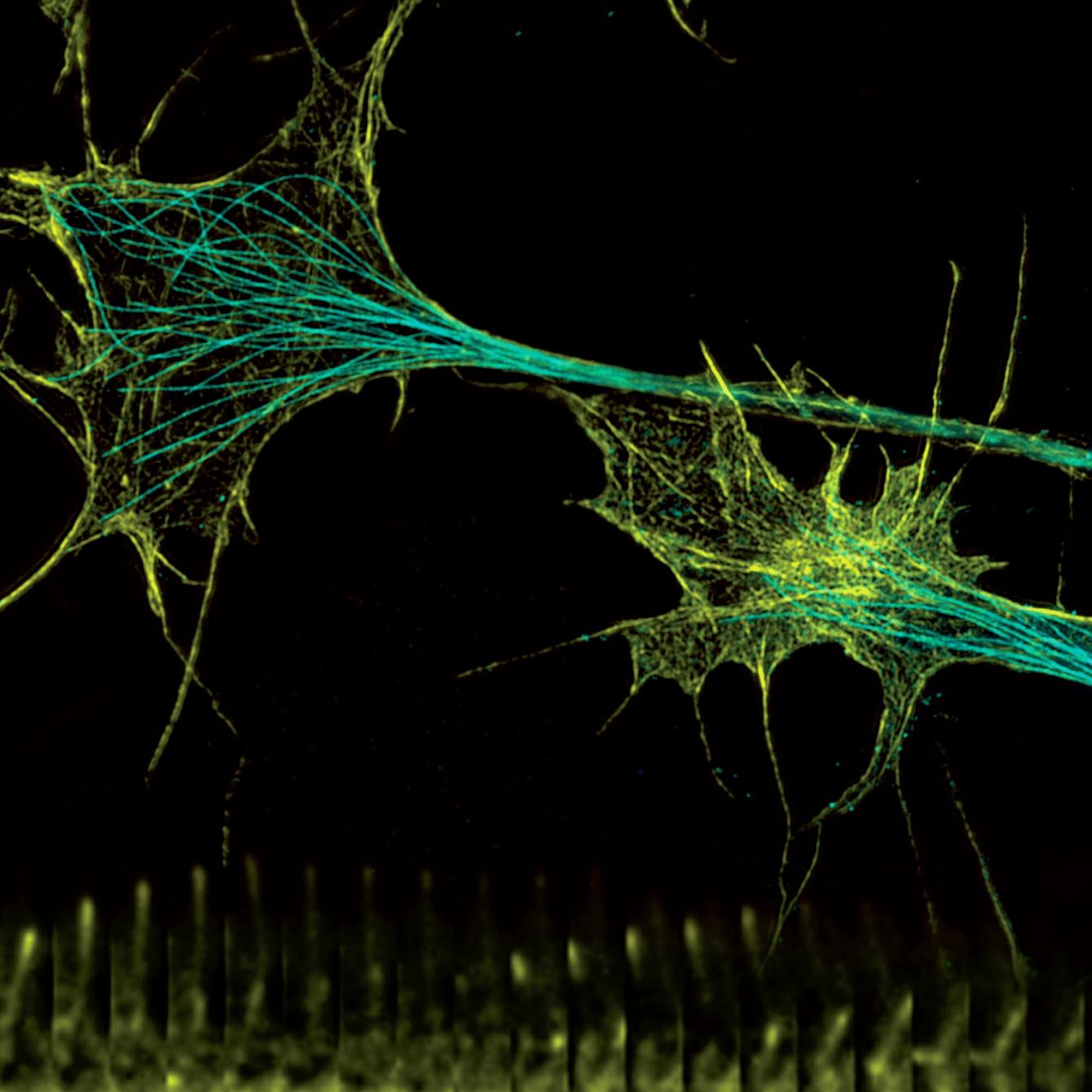
- we study organismal biology across the boundaries of biological levels of organization
- focus on animal and plant model systems
- teaching in all areas of biology (molecules to ecology)
Clusters of Excellence
- uncovering the fundamental principles that enable plants to maintain function under changing and often adverse environmental conditions
- build a unified understanding of plant robustness
- in collaboration with the University of Tübingen and Universitz of Hohenheim
Clusters of Excellence

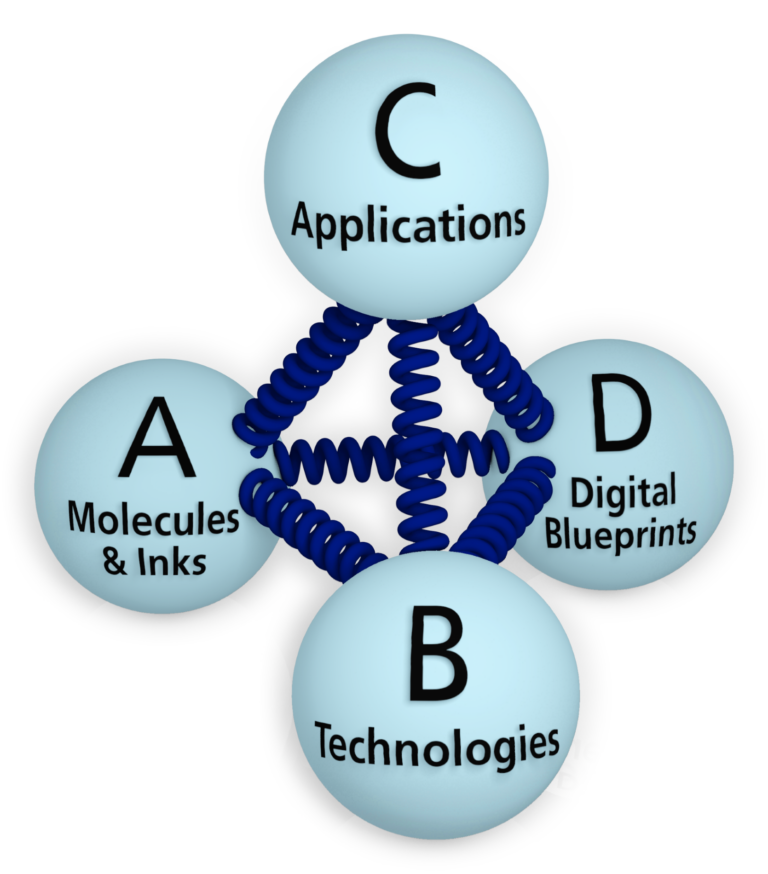
- 3D Additive Manufacturing Driven Towards the Molecular Scale
- in collaboration with Karlsruhe Institute of Technology
What did the study of organisms reveal about radiation resistance?
- some (small) animals and microbes can be highly radiation resistant
- up to 1000 times more than humans
- bdelloid rotifers, some nematodes, tardigrades, some algae and bacteria
- often linked to enhanced DNA repair or reduction in ROS damage
- (not COS research)
Radiation damage
- thick atmosphere on Earth (equivalent to 10 m of water shield)
- radiation dose 2 mSievert/year
- 1 Sv increases exposure of lethal cancer by 5.5%
- ISS - 2-250 mSv/y
- Moon - 300 mSv/y
- out in space (~8 months to Mars): 600 mSv/y
- high energy particles, spacecraft does not shield much
- shield should be 10 m water or 3 cm lead

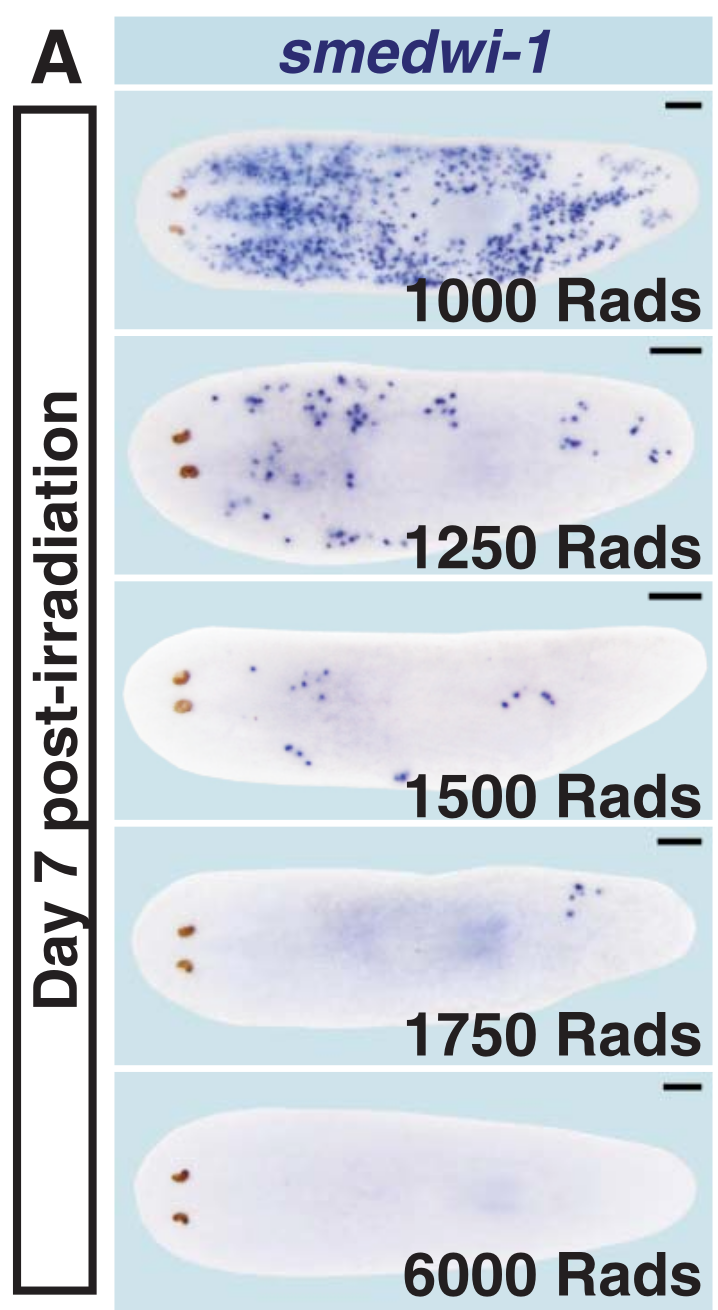
Experiments with planarians
- irradiation with 1250 rad = 12500 mSv
- -> stem cells start to die
- irradiation with 1750 rad = 17500 mSv
- -> most stem cells die
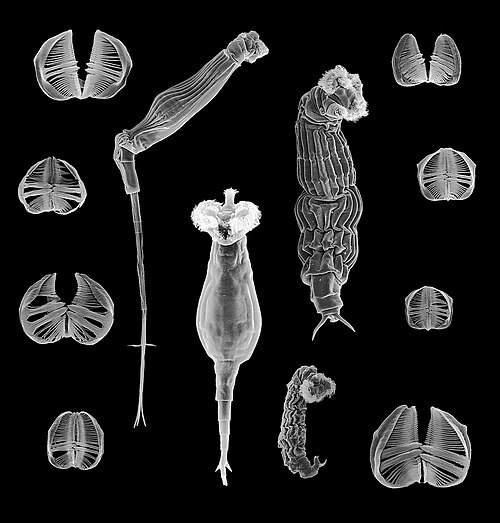
Bdelloid rotifers
- bdelloid rotifers are small (~1mm) aquatic animals
- some species resist complete desiccation
- extreme resistance to ionizing radiation (Adineta vaga)
- extreme radiotolerance
- species that do not tolerate desiccation, also do not tolerate radiation
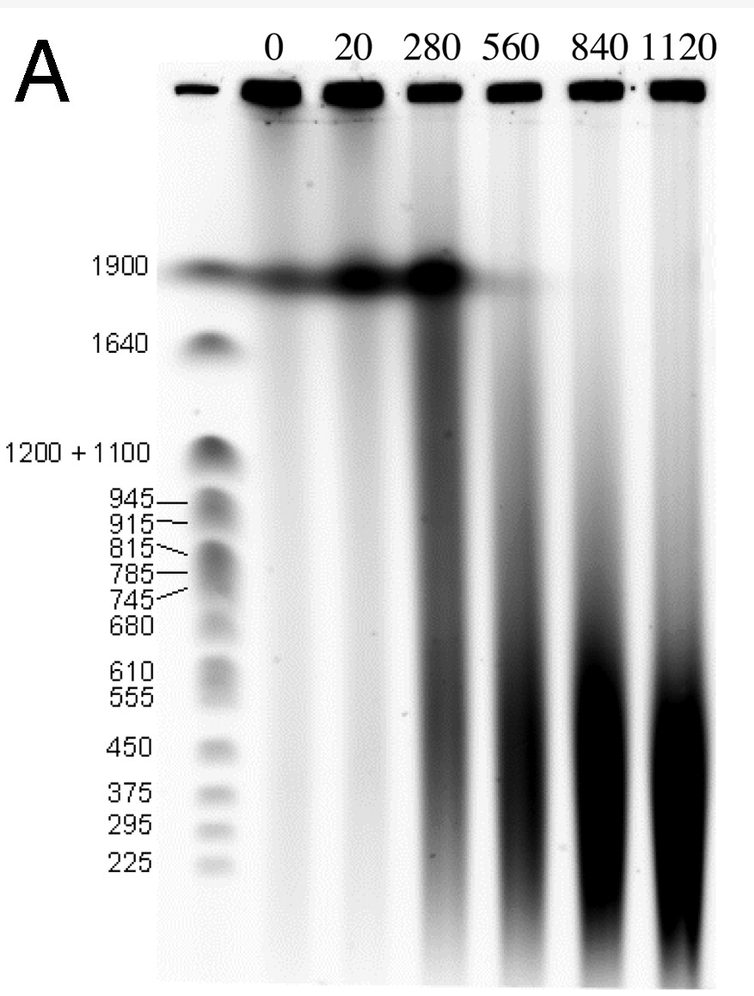
- fragmentation of genomic DNA after increasing doses of irradiation
Nematodes
- nematodes are small (~1mm) soil-dwelling animals
- the nematode, Meloidogyne javanica
- extreme radiotolerance (not true for most other nematodes)
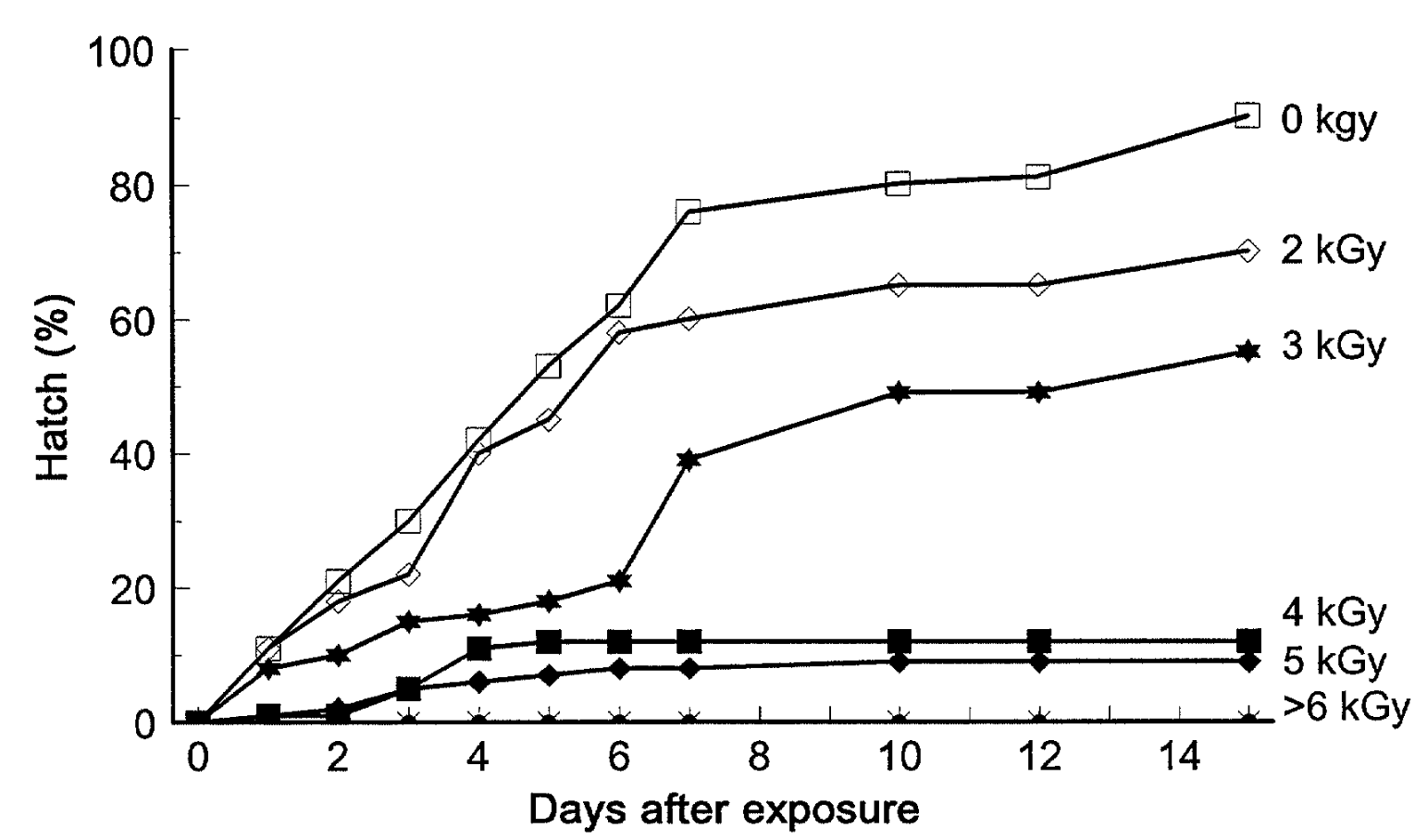
Tardigrades
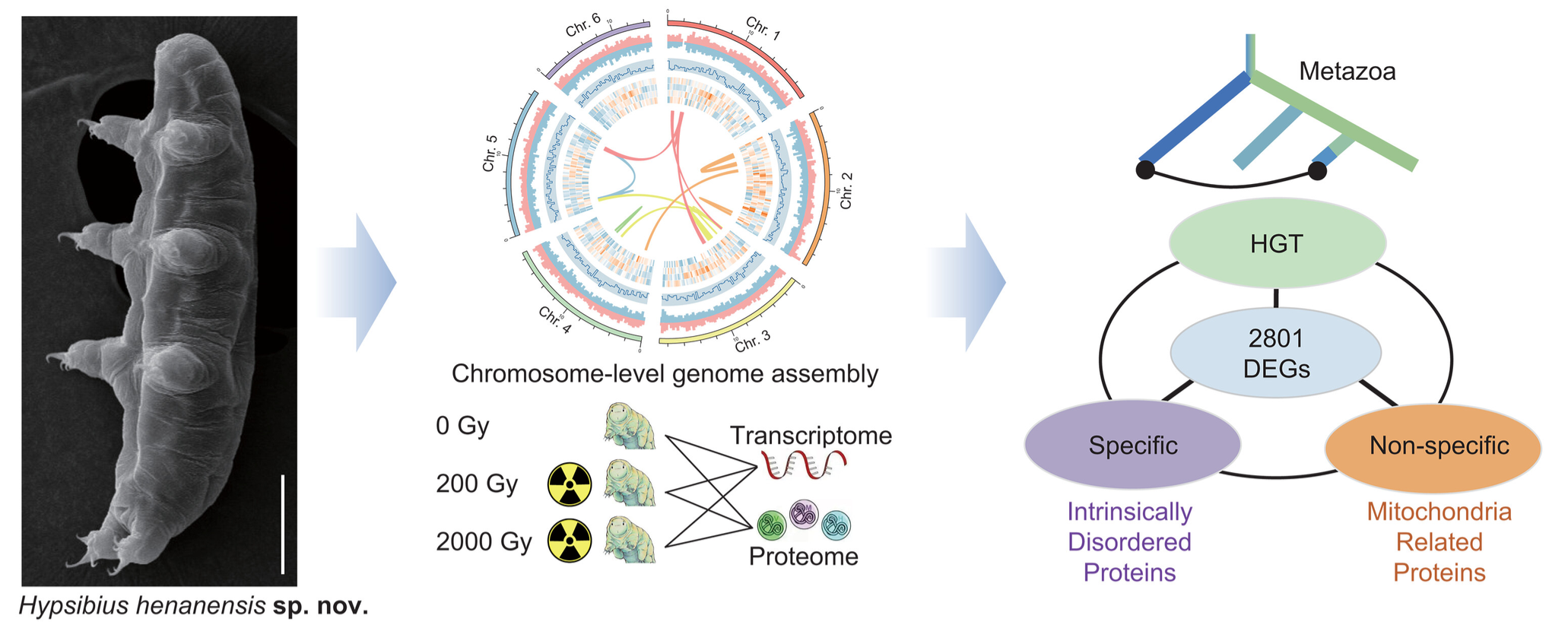
- tardigrades are small (<ca. 1 mm) aquatic animals
- survive ∼1000 times the lethal dose for humans
- irradiate tardigrades => gene expression changes
- upregulated pathways experimentally investigated
Tardigrade experiments
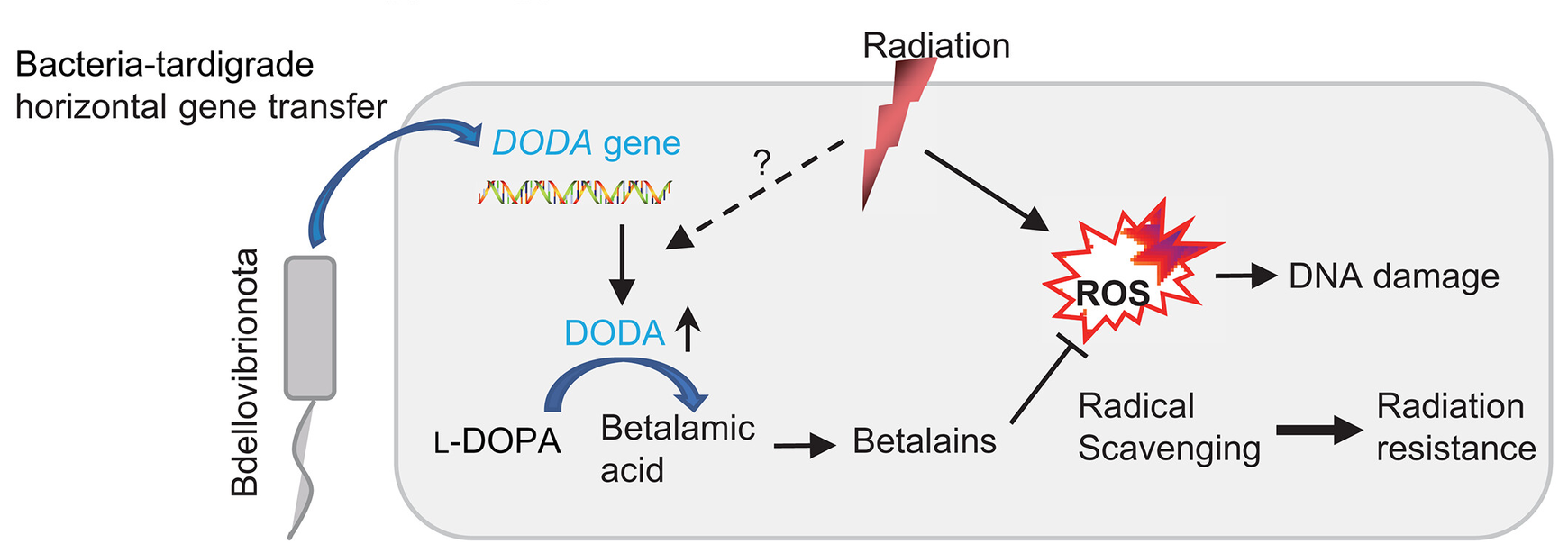
- irradiation induces the biosynthesis of betalain pigments
- transferring the pathway to cultured human cells increases radiotolerance
- other genes and pathways also identified
Radiotolerant organisms
_Figure_6_(white_background).jpg)
- radiation-tolerant organisms are small
- many of them can survive desiccation
- high level of DNA repair likely evolved to survive desiccation-induced DNA damage
- application to humans not feasible (ethically, technically, long timelines etc.)
What we do
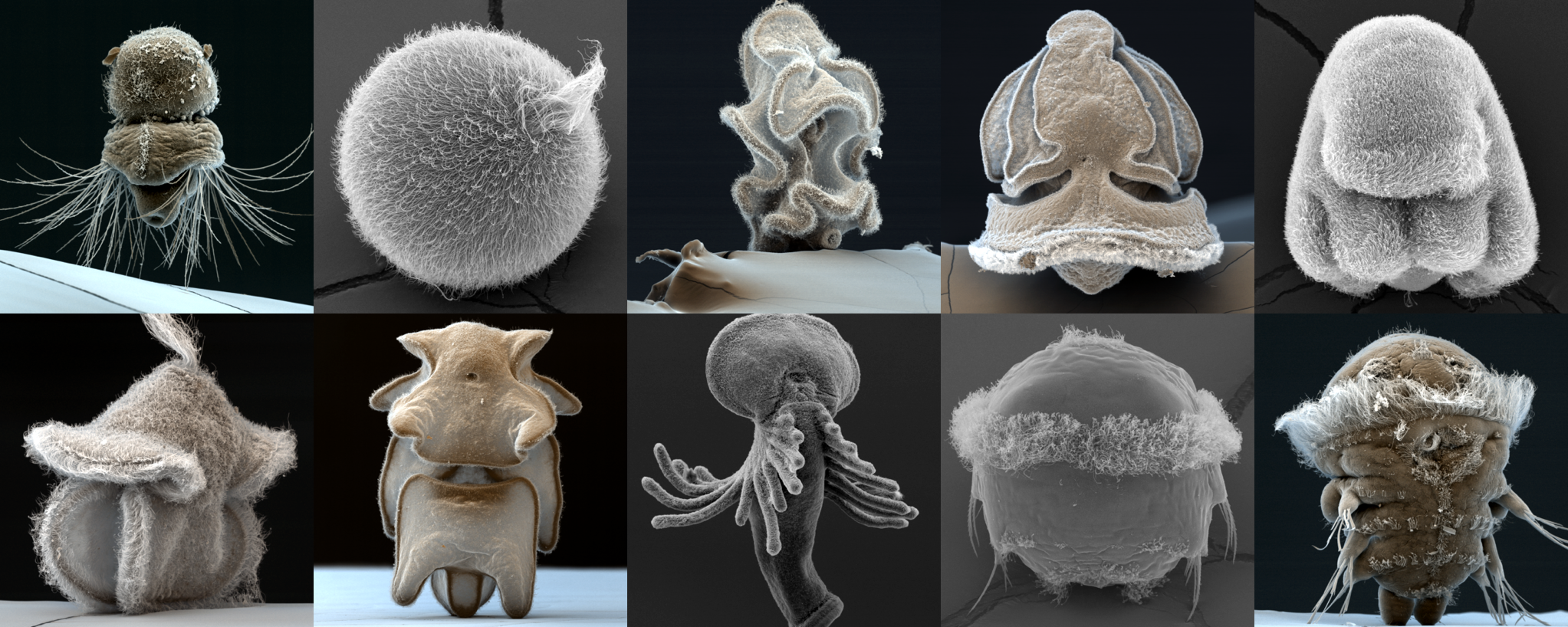
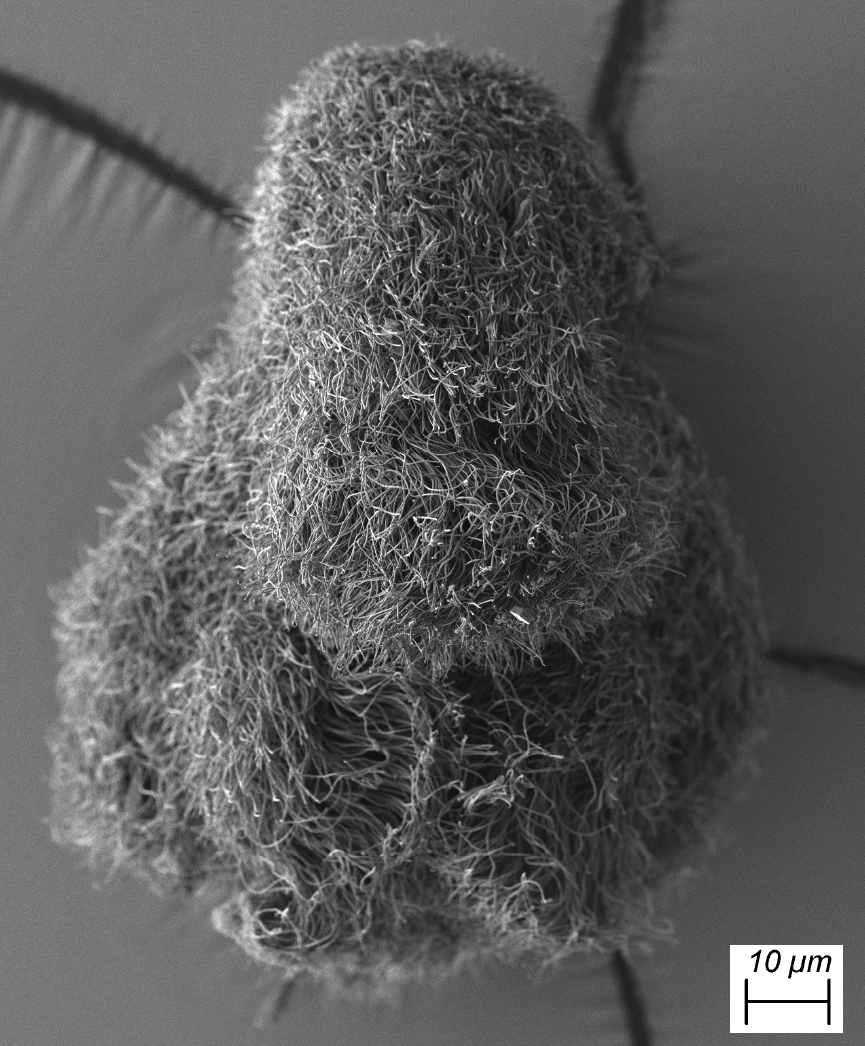
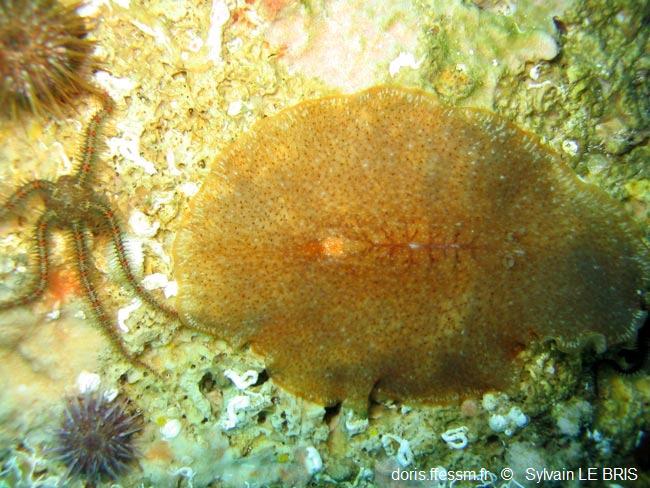
- Ciliated zooplankton larvae
- study the diversity of their behaviours, nervous systems, genetics
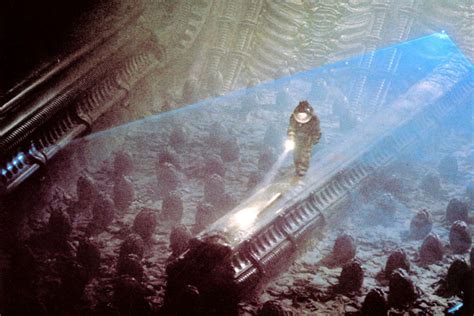
- Planet Earth is full of undiscovered aliens
Field trips to explore marine plankton
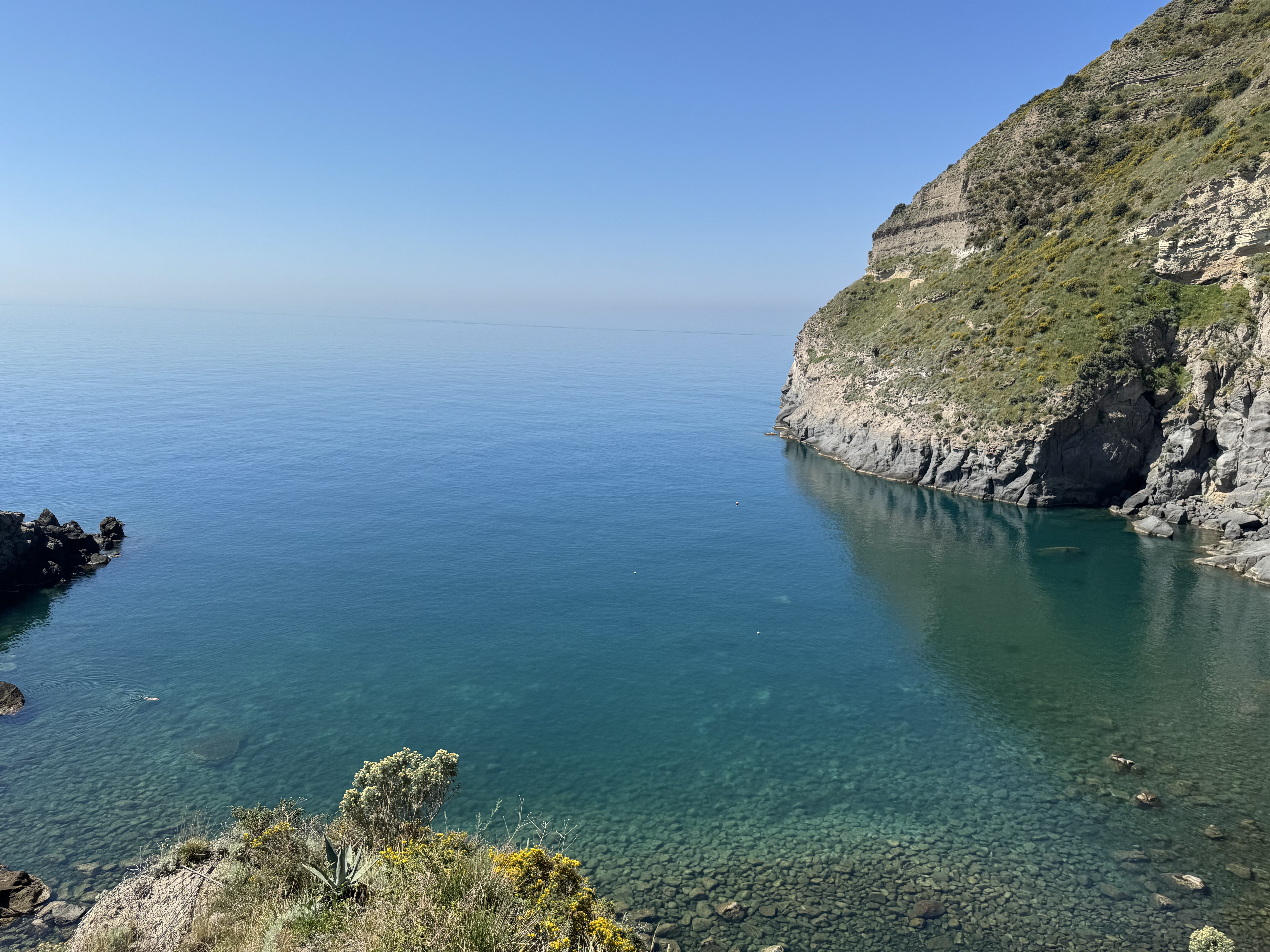
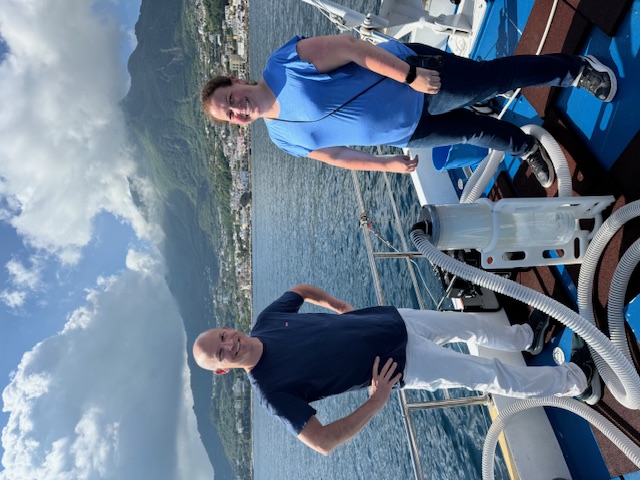
Ischia, Sorgeto, 2024
Field trips lead to unexpected discoveries
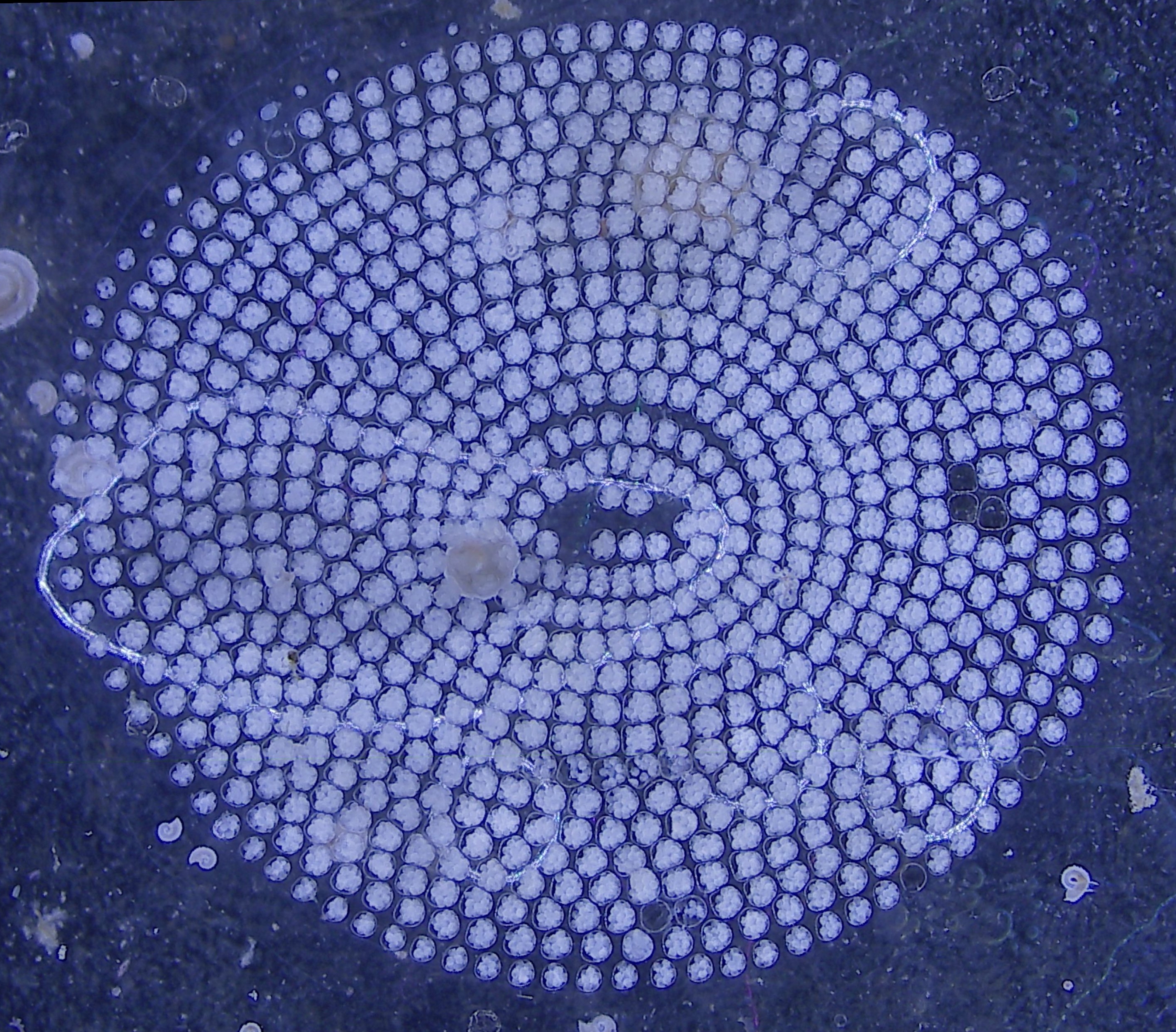
with Alexandra Kerbl, Ischia May 31, 2024
Field trips lead to unexpected discoveries
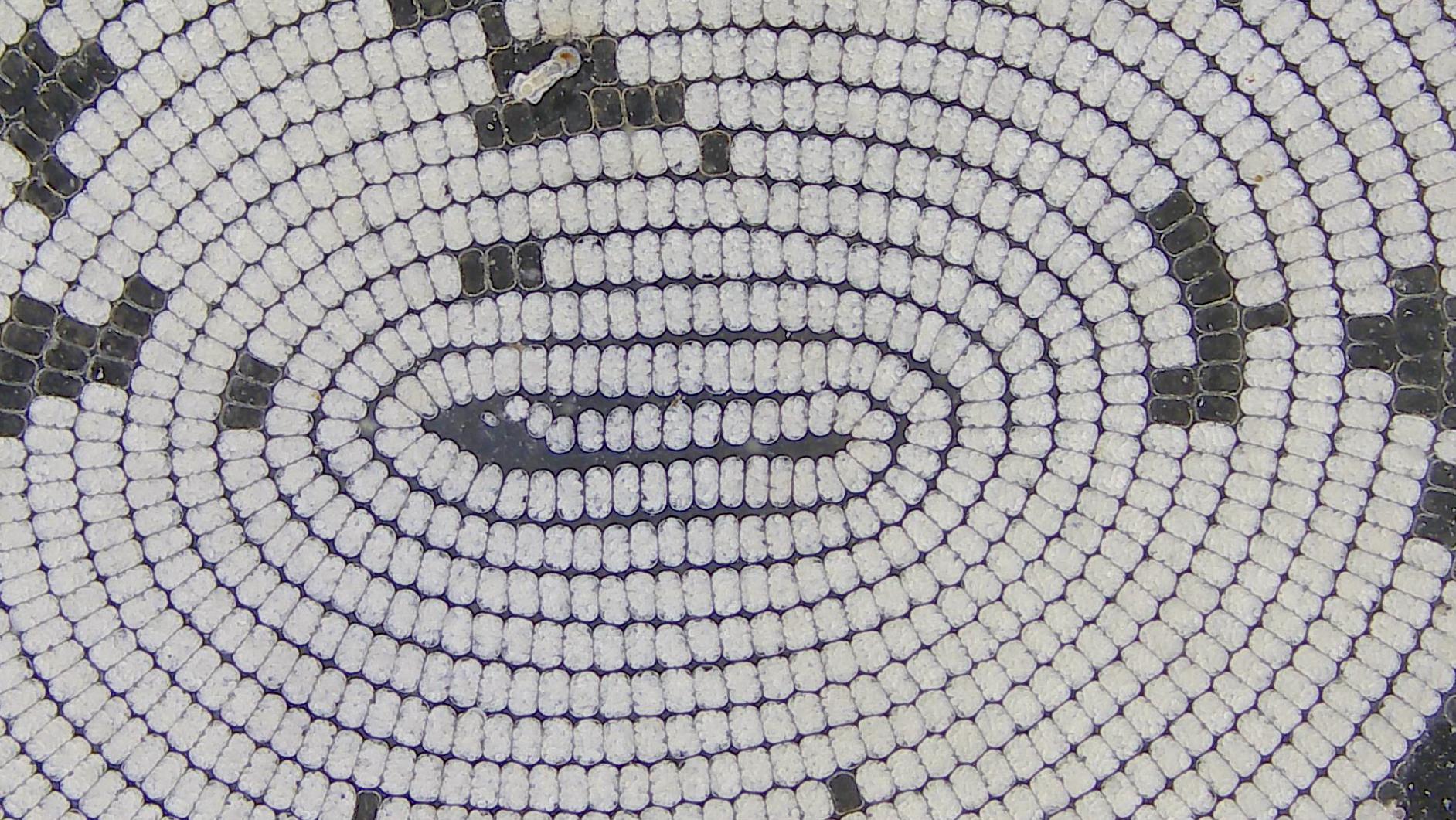
with Alexandra Kerbl, Ischia May 31, 2024
Egg plates and Müller’s larvae of polyclad flatworms
‘Terraforming’
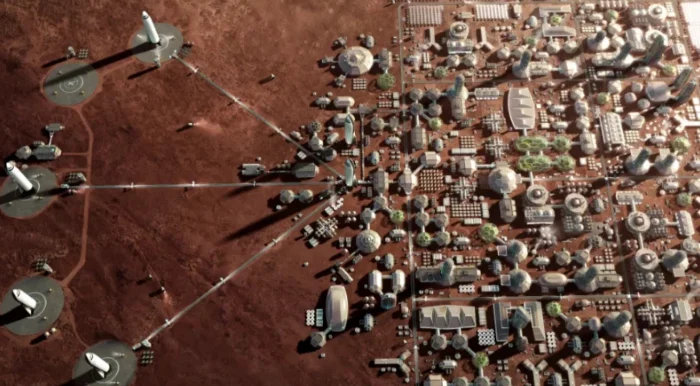
- myth: base buildup, multiple ships, then a city, a bigger city, terraforming (etc.)
- Mars 600x further than the moon on average
- Mars soil is toxic (perchlorate etc.)
- cold, 95% CO2 atmosphere, 99.4% vacuum, high radiation, low gravity
- how about food, air, isolation, supply chains (making an iPhone?), mining, energy, costs etc.
- reality: it is a biophysical, economical etc. impossibility to terraform Mars (a colossal con)
Envoi
- we have a living planet, travelling in space
- long-time space travel (beyond moon) is not possible from a biological perspective
- effects of space: death (fast or slow)
- asteroids, moons etc. cannot be mined economically (hard limits of physics)
- space exploration should focus on sending telescopes and other instruments, not humans to space (better return on investment, e.g. Hubble)
- we are and will remain a single-planet species
- for how long, depends what we do on this planet