Zooplankton and the Origin of Nervous Systems
The Pontifical Academy of Sciences – Workshop on Evolution and Development – Casina Pio IV, Vatican City – 22-23 September 2026
Ciliated zooplankton larvae
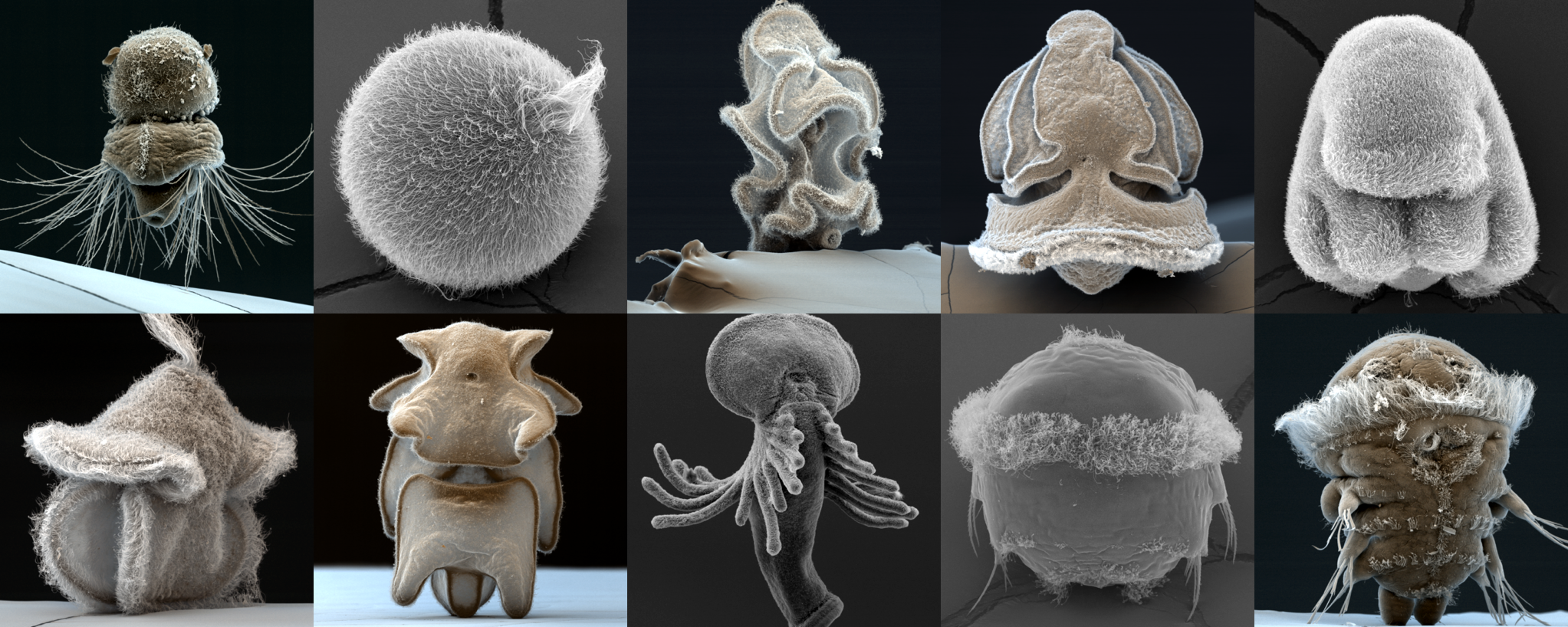
Coral larvae
 Emelie Brodrick
Hannah Laeverenz
Rebecca Poon & Kirsty Wan
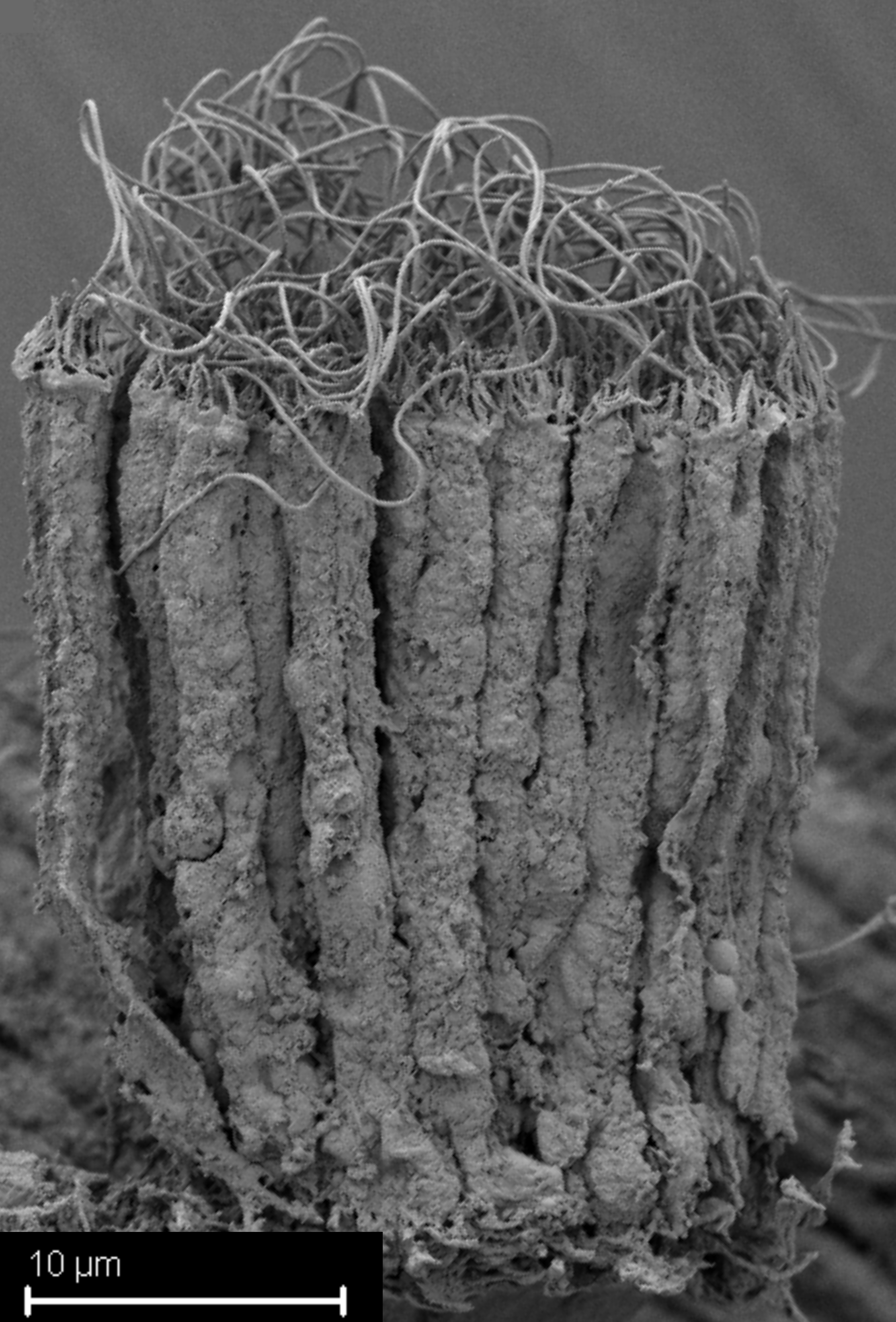
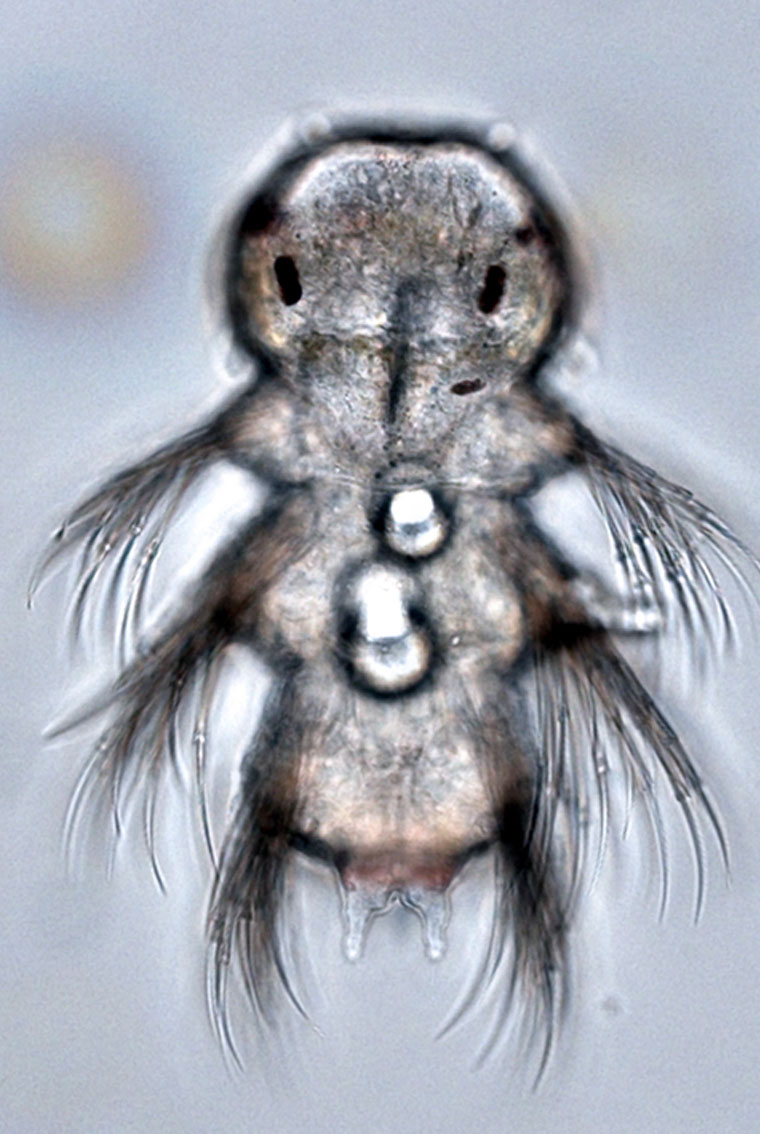
Platynereis dumerilii
- breeding culture
- genome sequence
- microinjection, transgenesis
- neuron-specific promoters
- knock-out lines
- neuronal connectome
- neuronal activity imaging
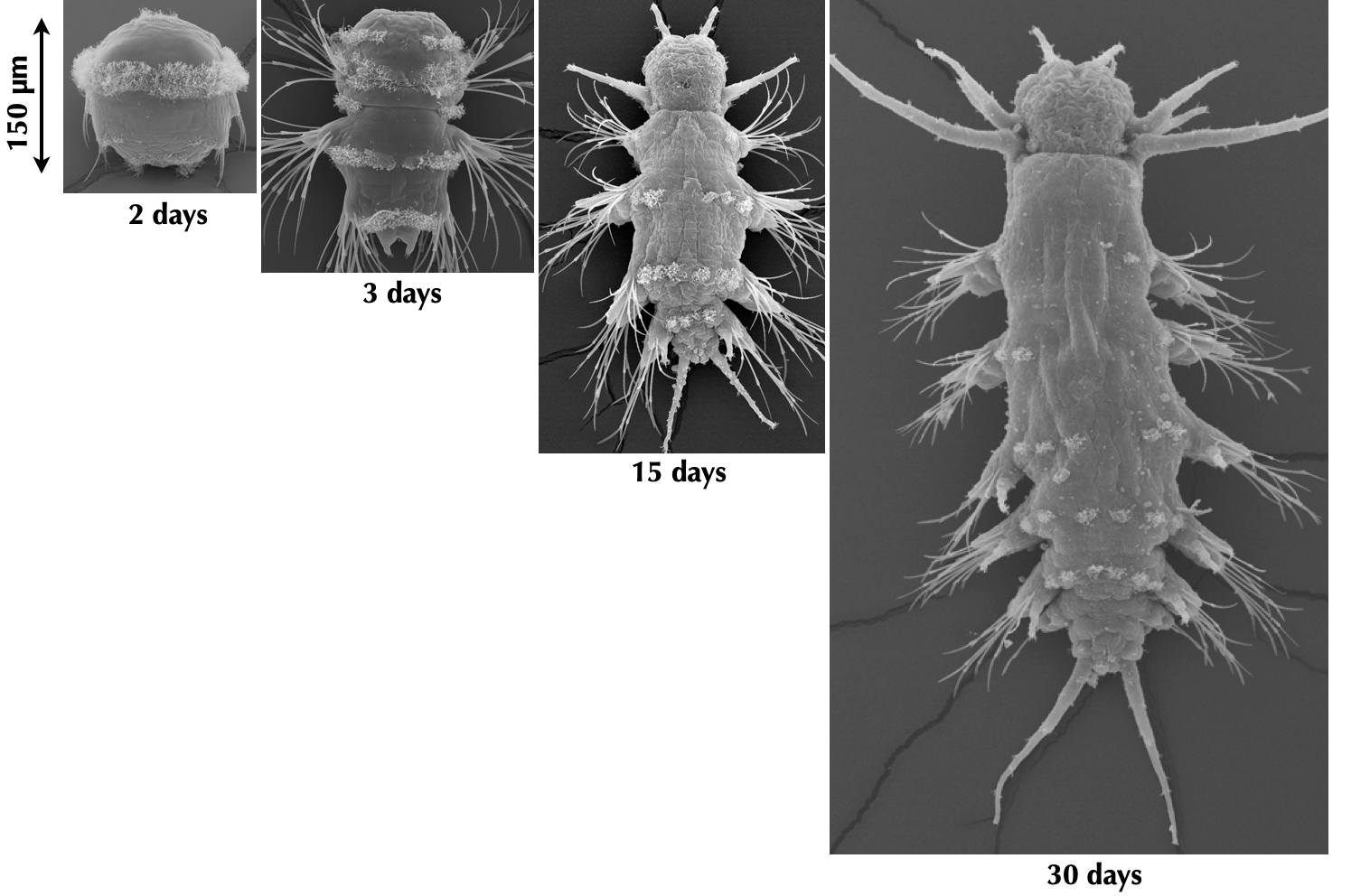
Multiciliary bands form metachronal waves
with Kirsty Wan, LSI Exeter
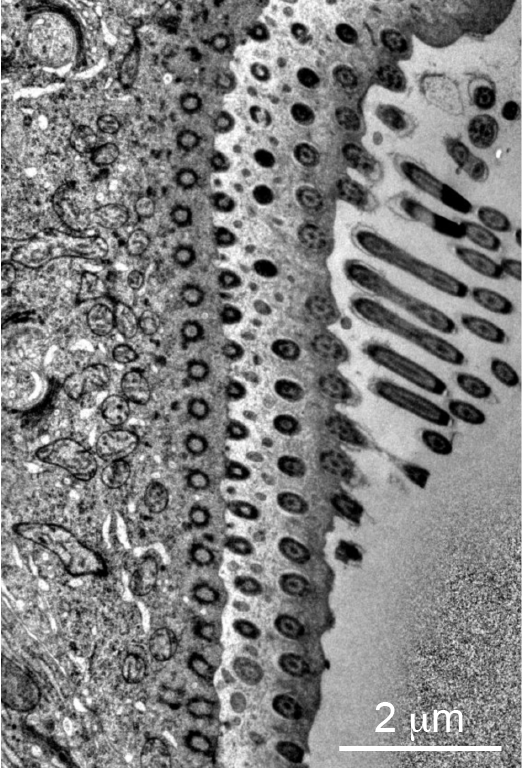
- basal-body spacing: 0.35-0.55 μm
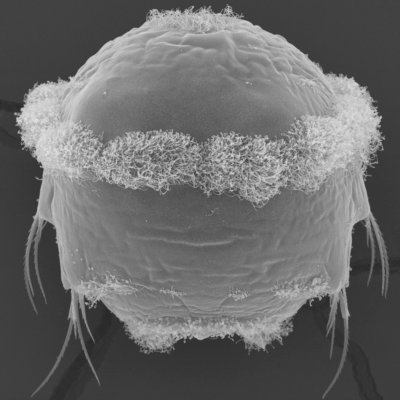
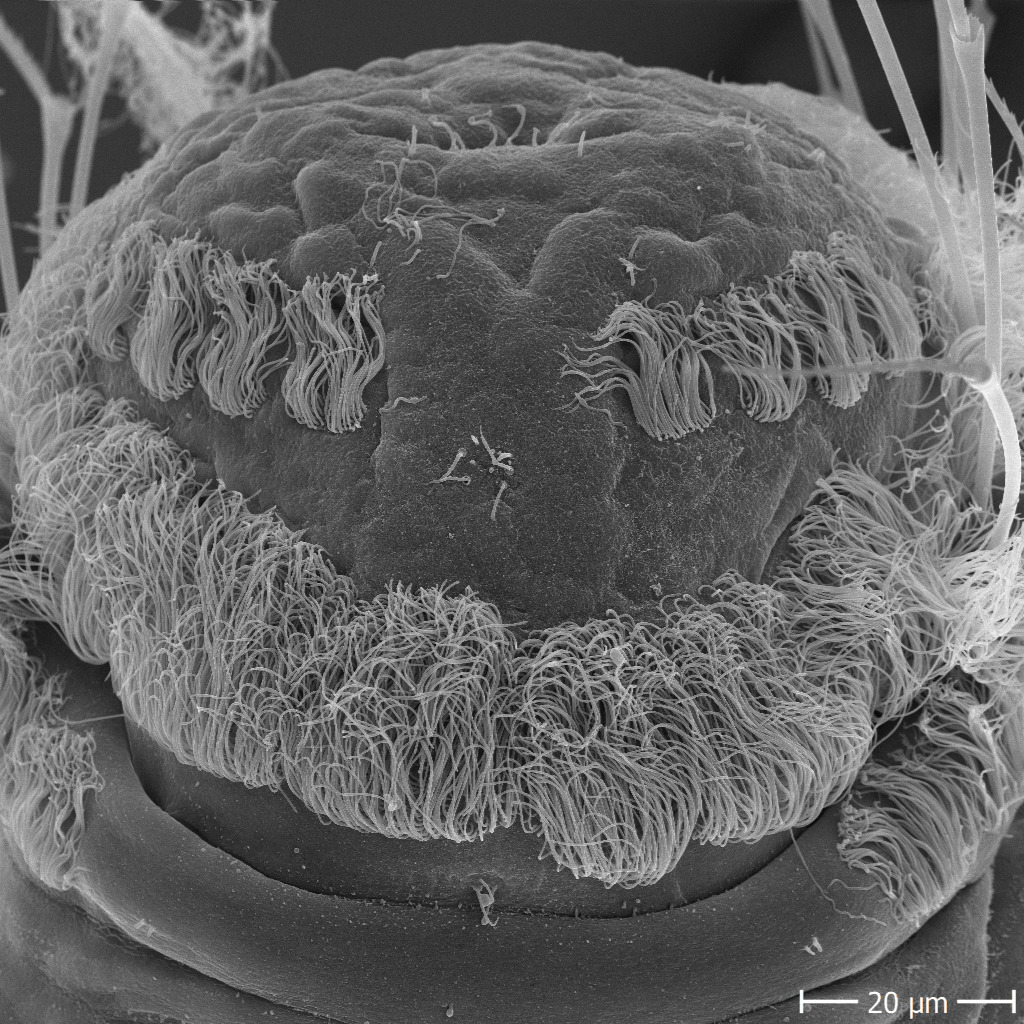
Precise orientation of multiciliary arrays
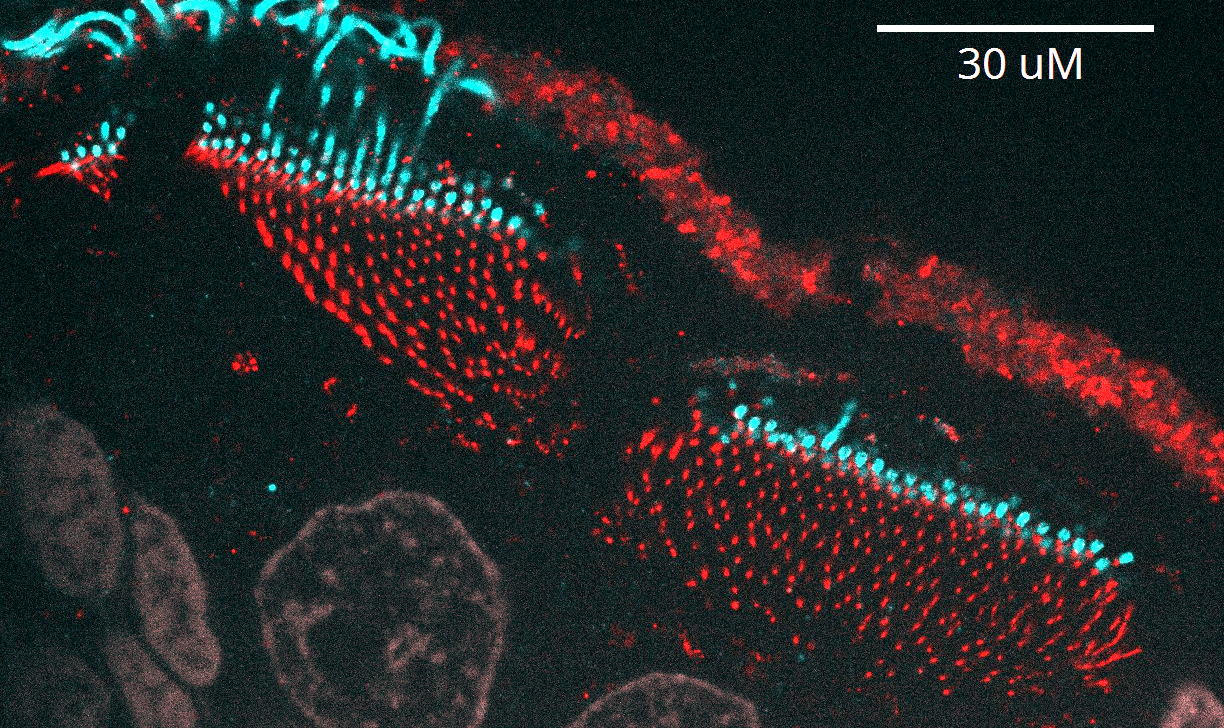
expansion microscopy
Phototaxis

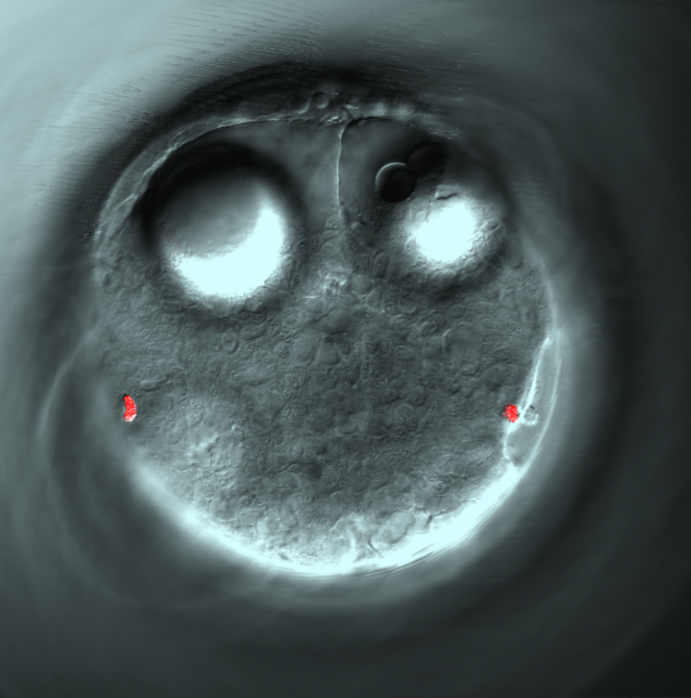
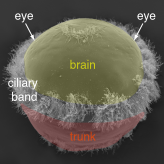
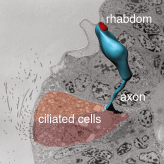
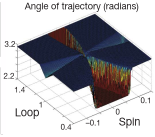
Helical swimming, sensing and turning are tightly linked

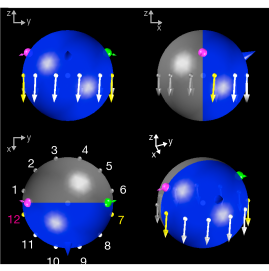
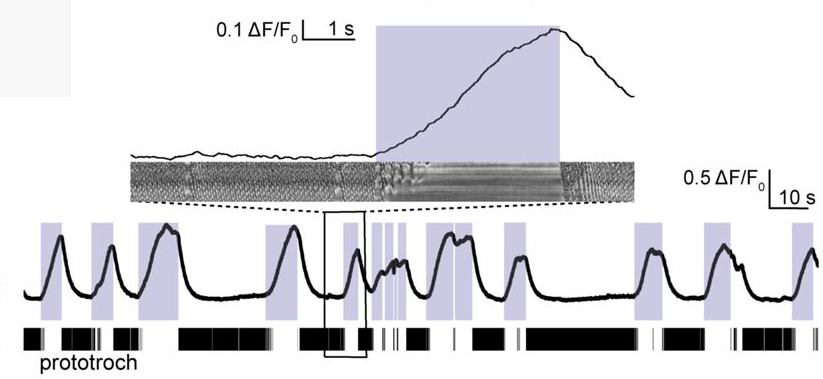
Calcium increase induces closures
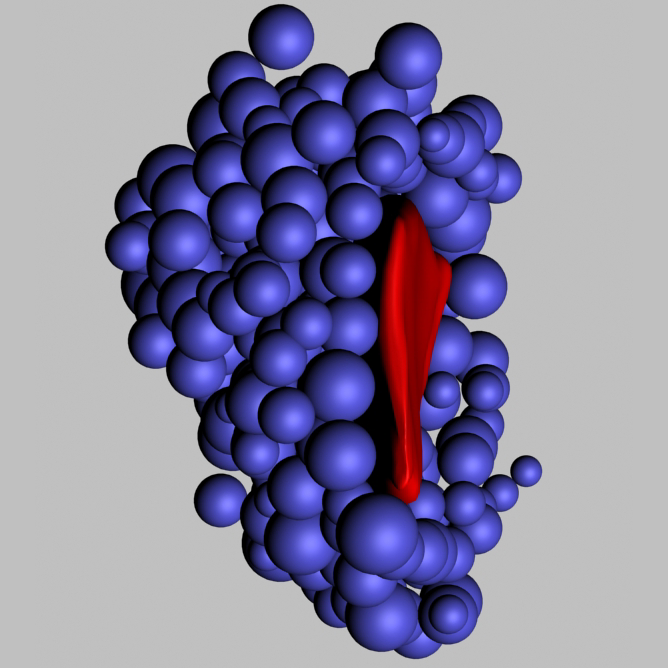
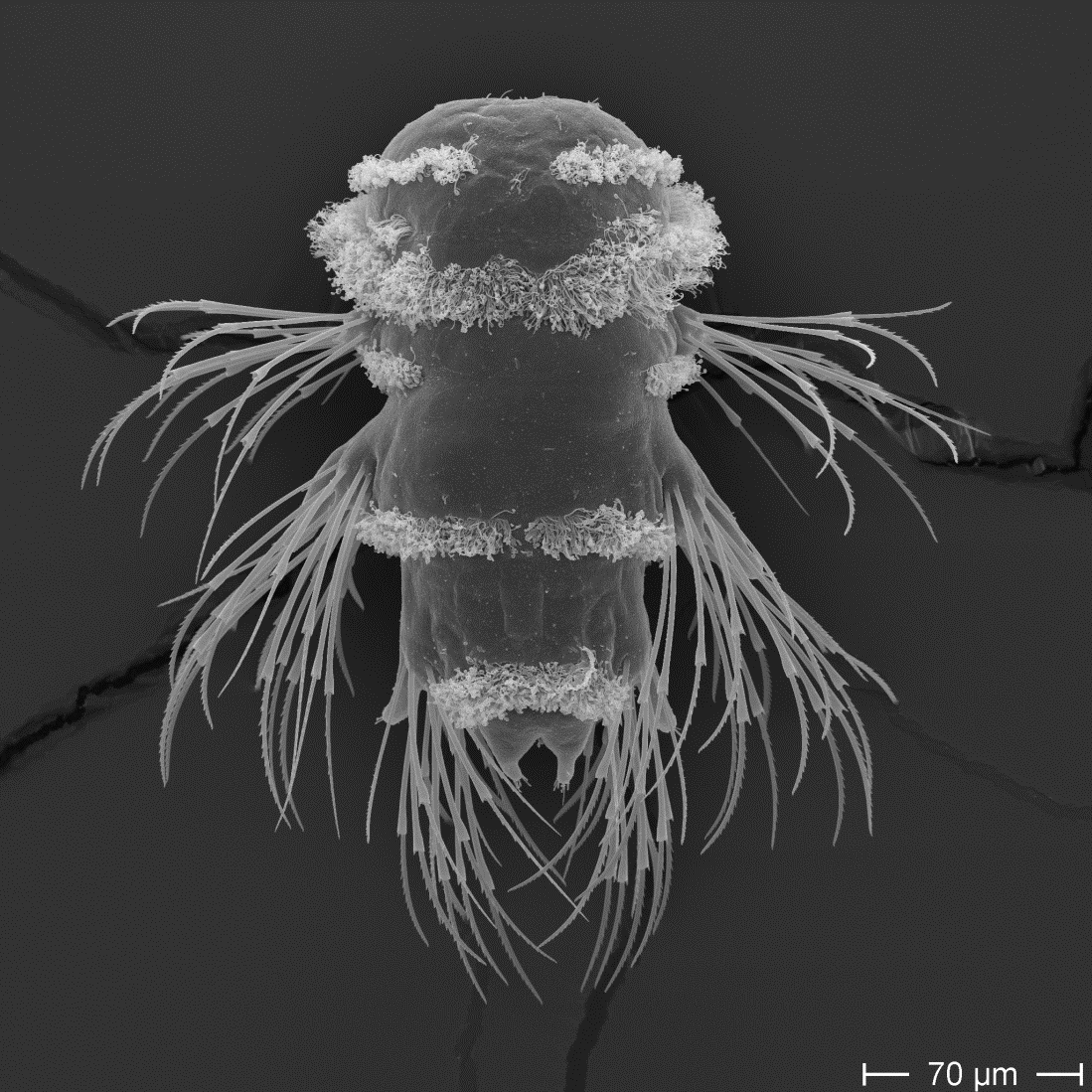
Whole-body annotation of all ciliary basal bodies
A pacemaker system for ciliary closures
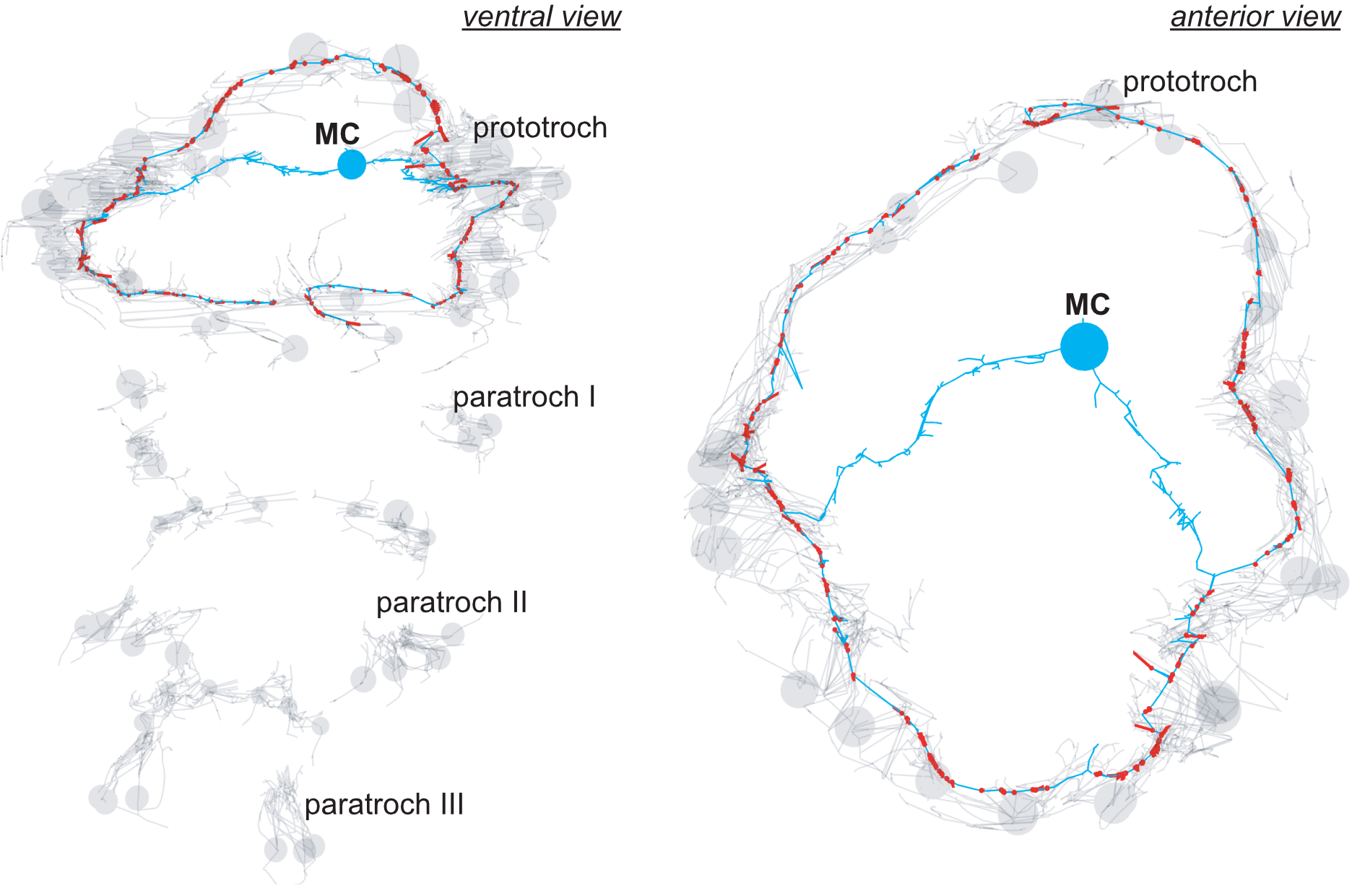
Whole-body coordination of ciliary closures
Whole-body coordination of ciliary closures
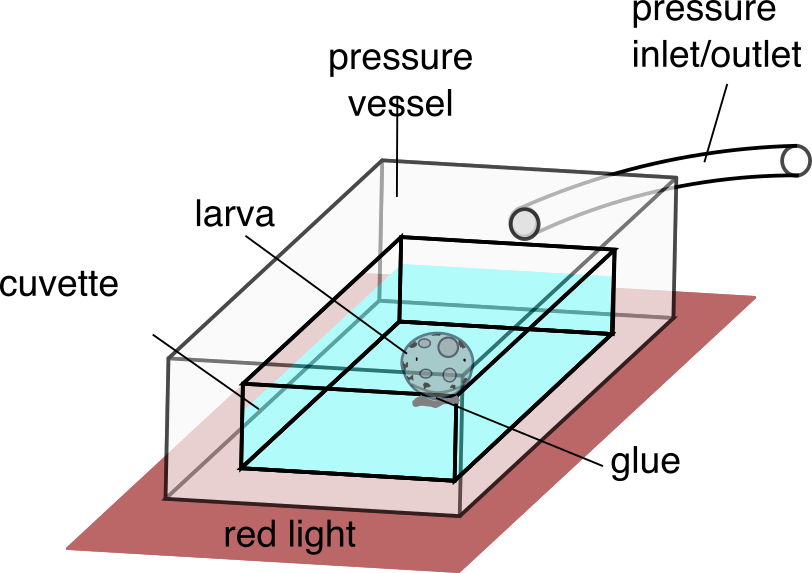
Pressure response in Platynereis larvae
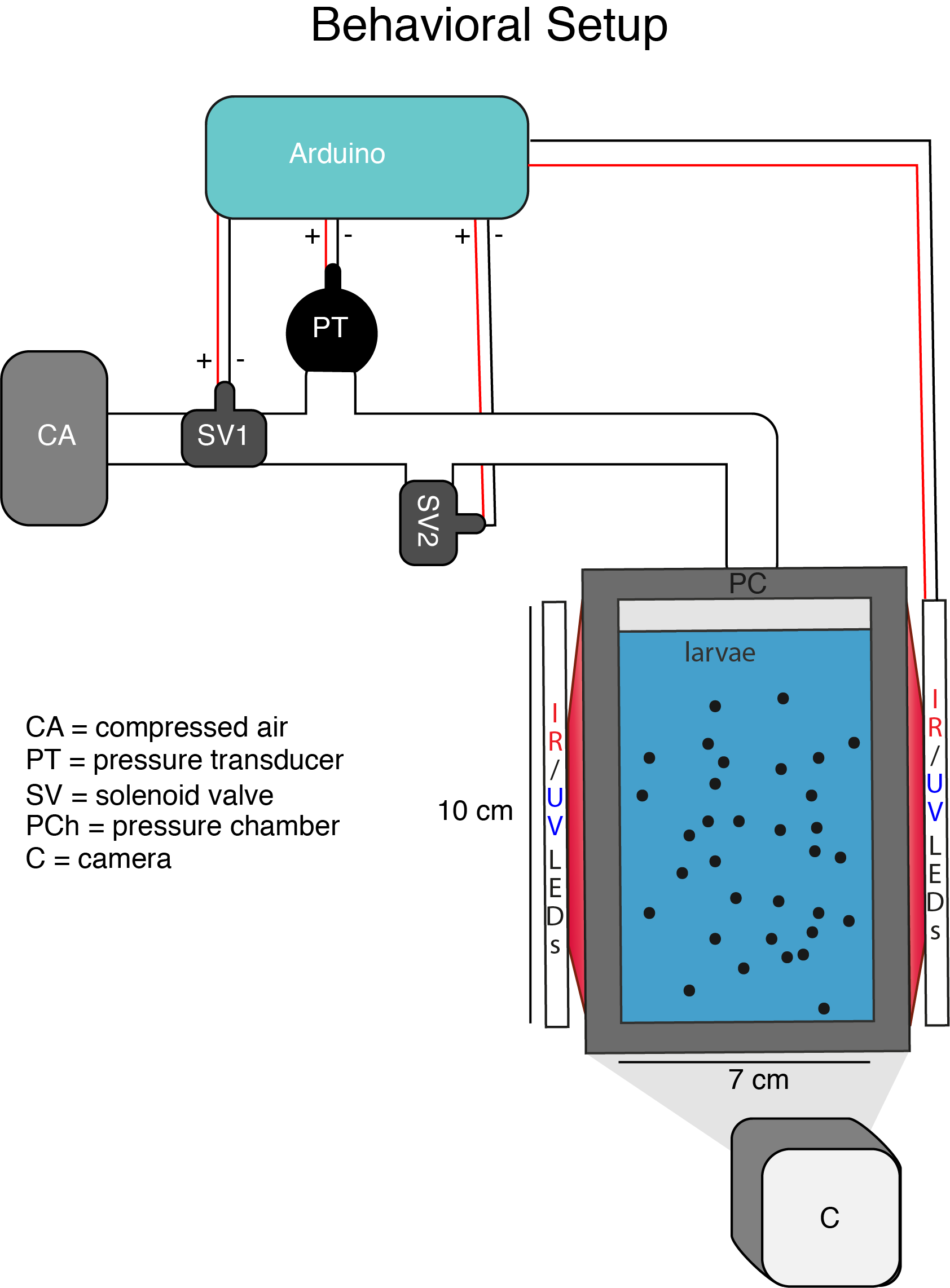
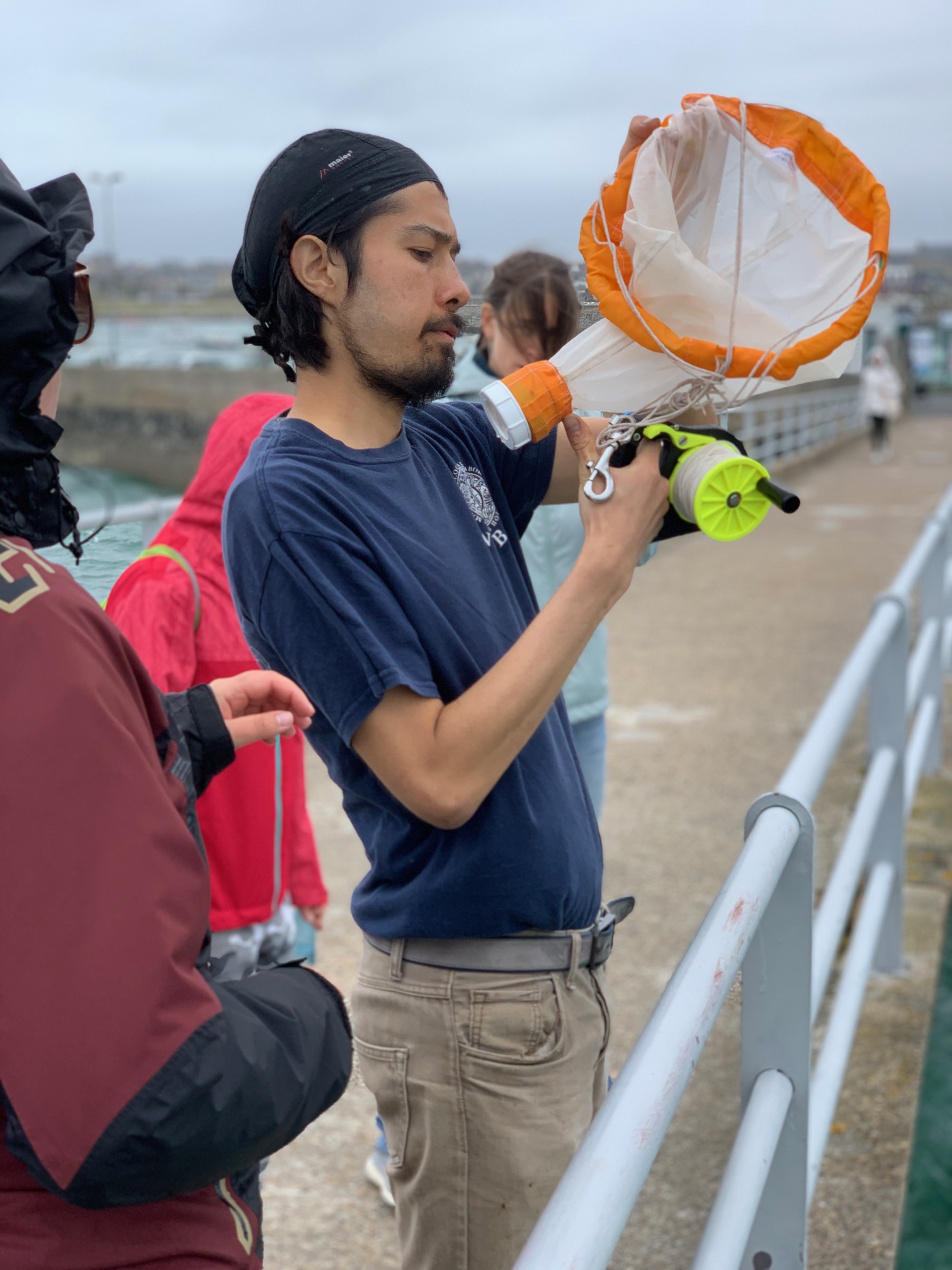
Precise control of pressure in the pressure chamber
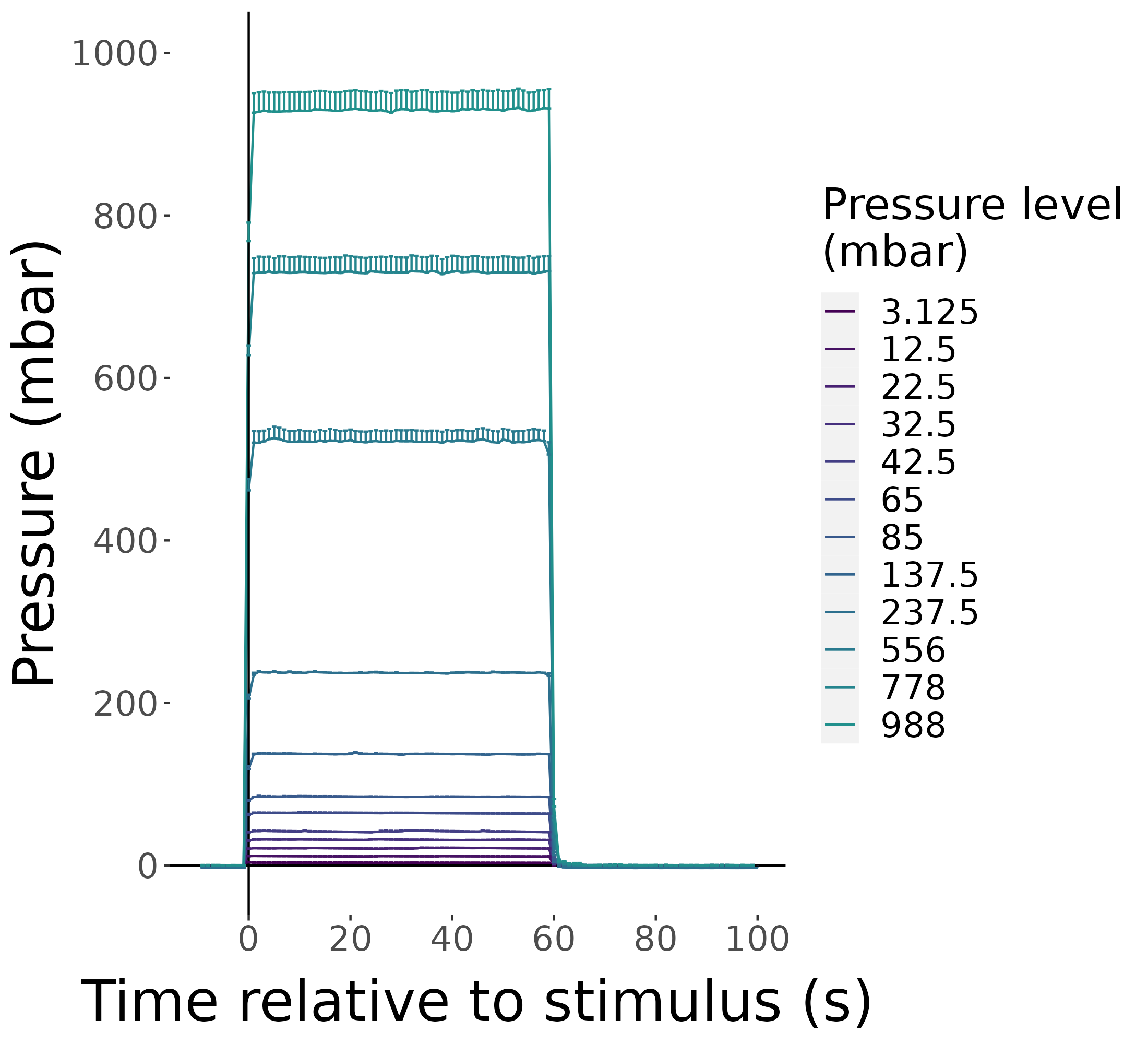
Pressure response is graded
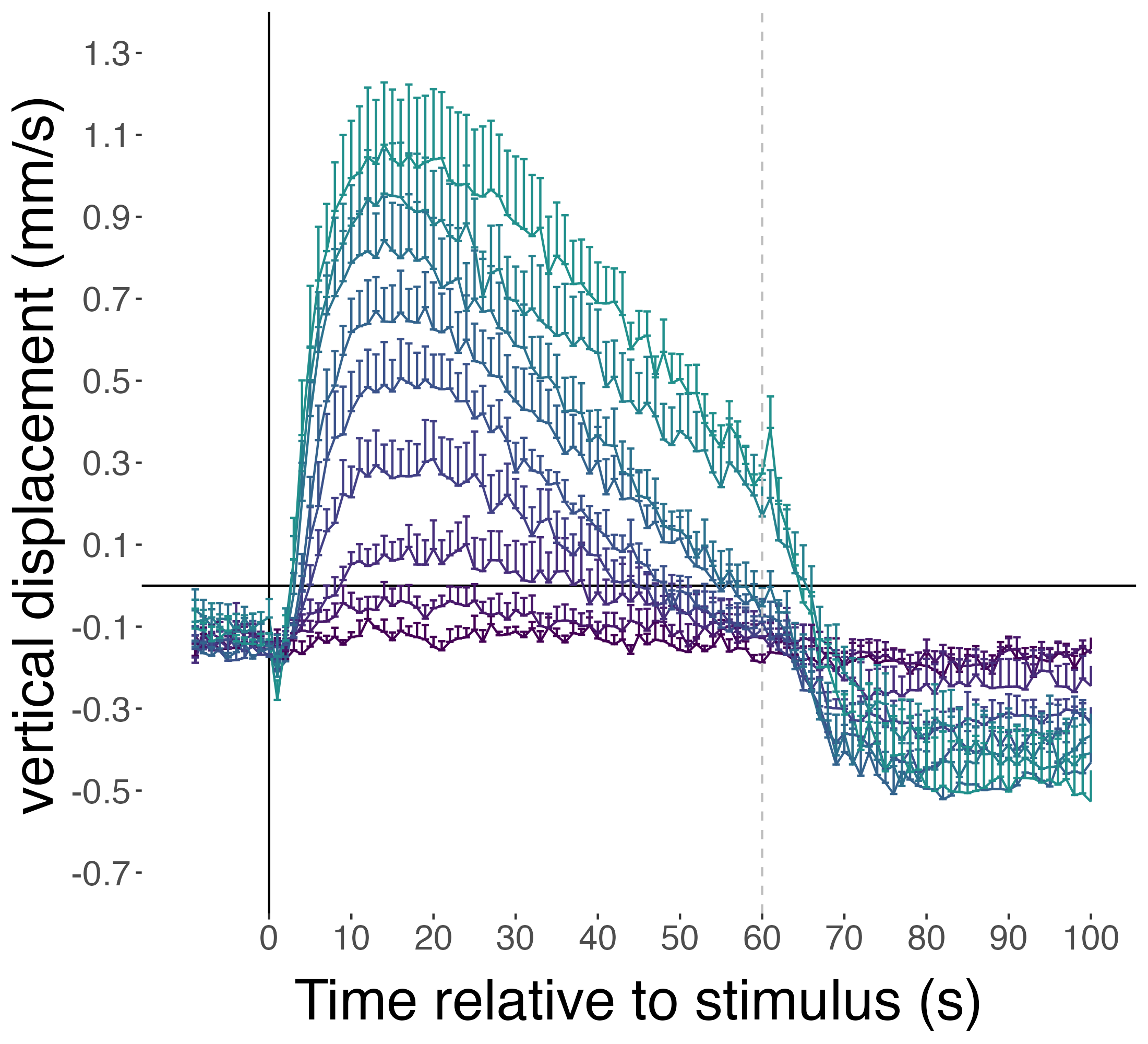
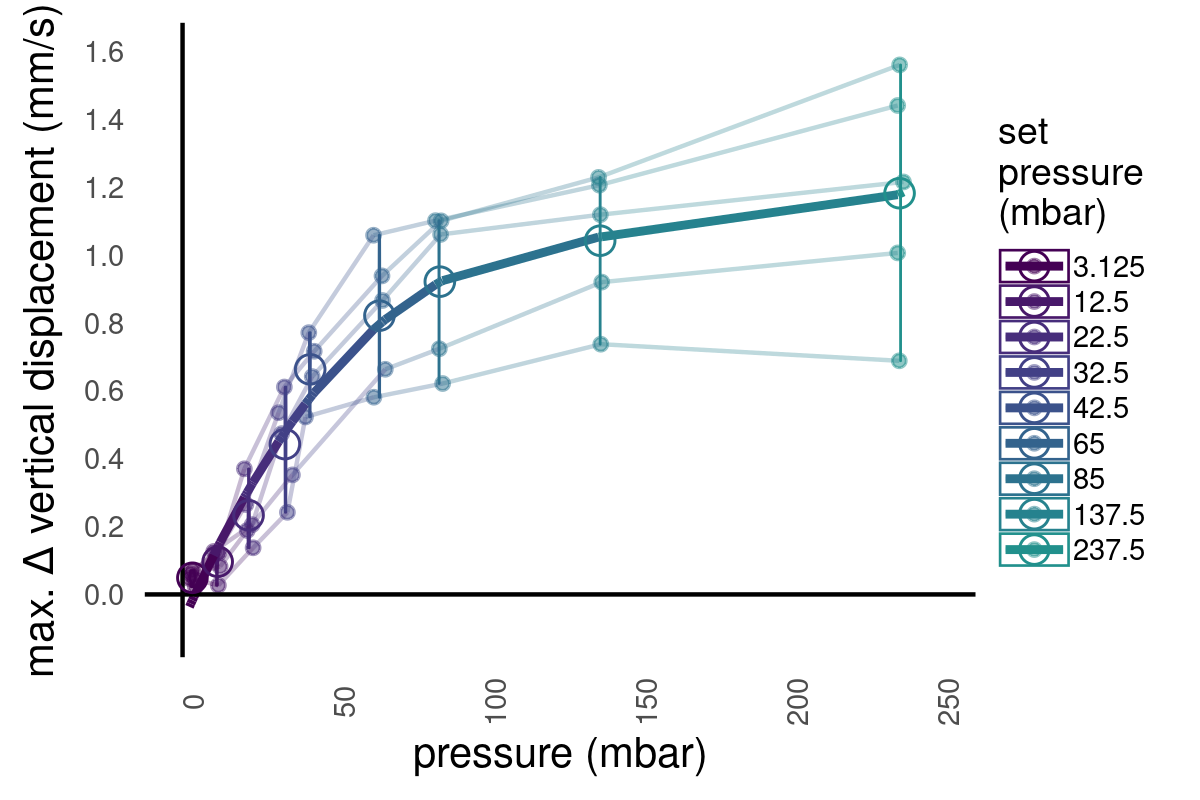
Ciliary beating increases under pressure
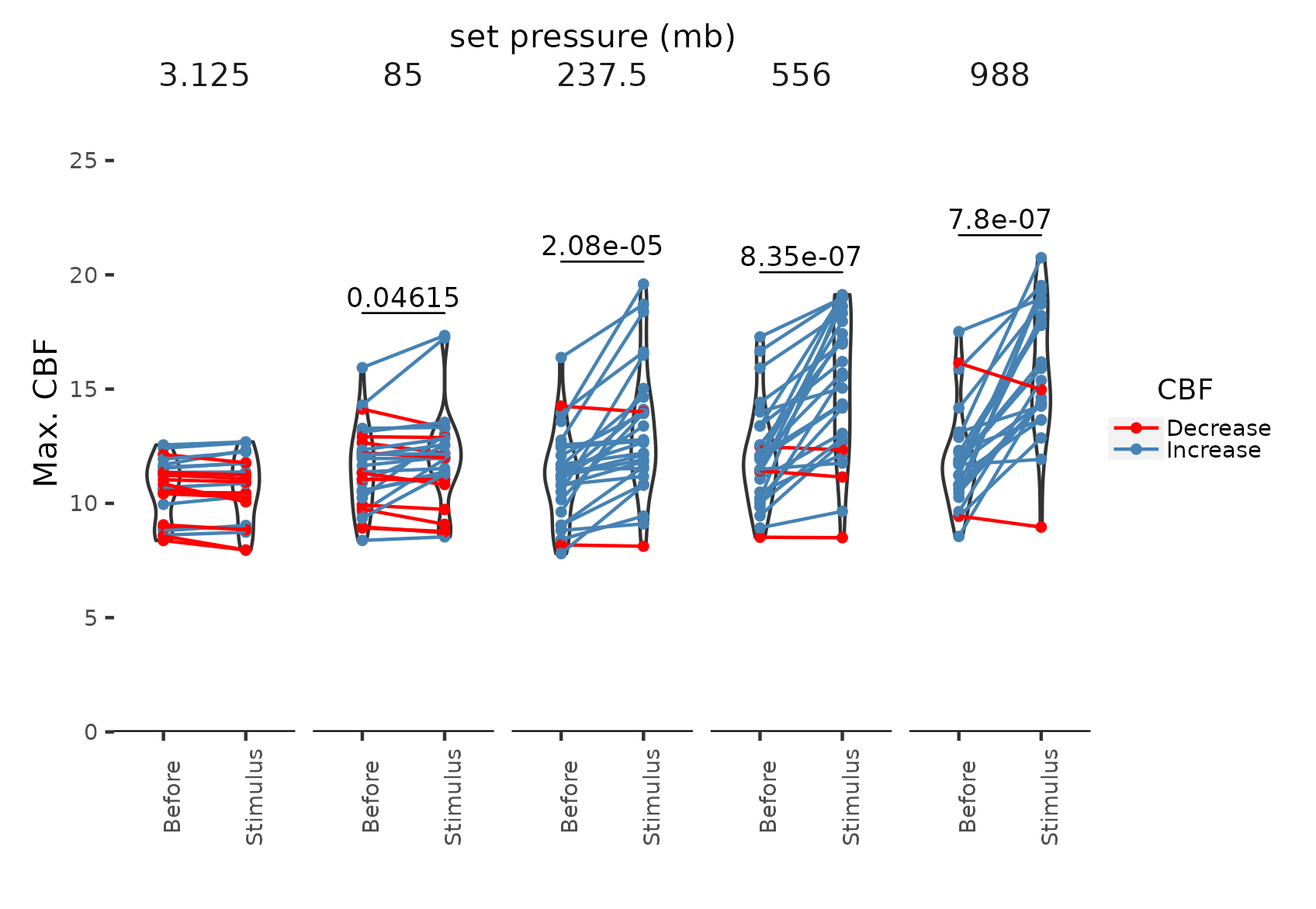
Pressure is sensed by photoreceptors with ramified cilia
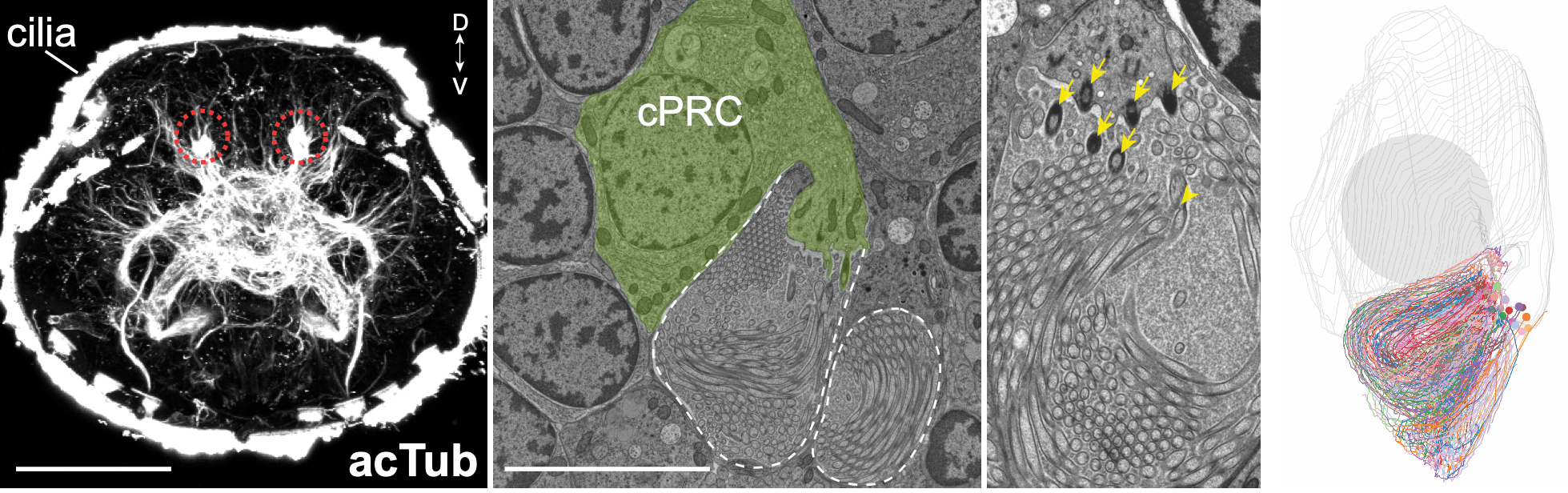
Unique behaviour and biophysics of ciliated larvae
- low Reynolds regime
- helical swimming is near-universal
- metachronal waves
- ciliomotor system
- helical sensory-motor responses
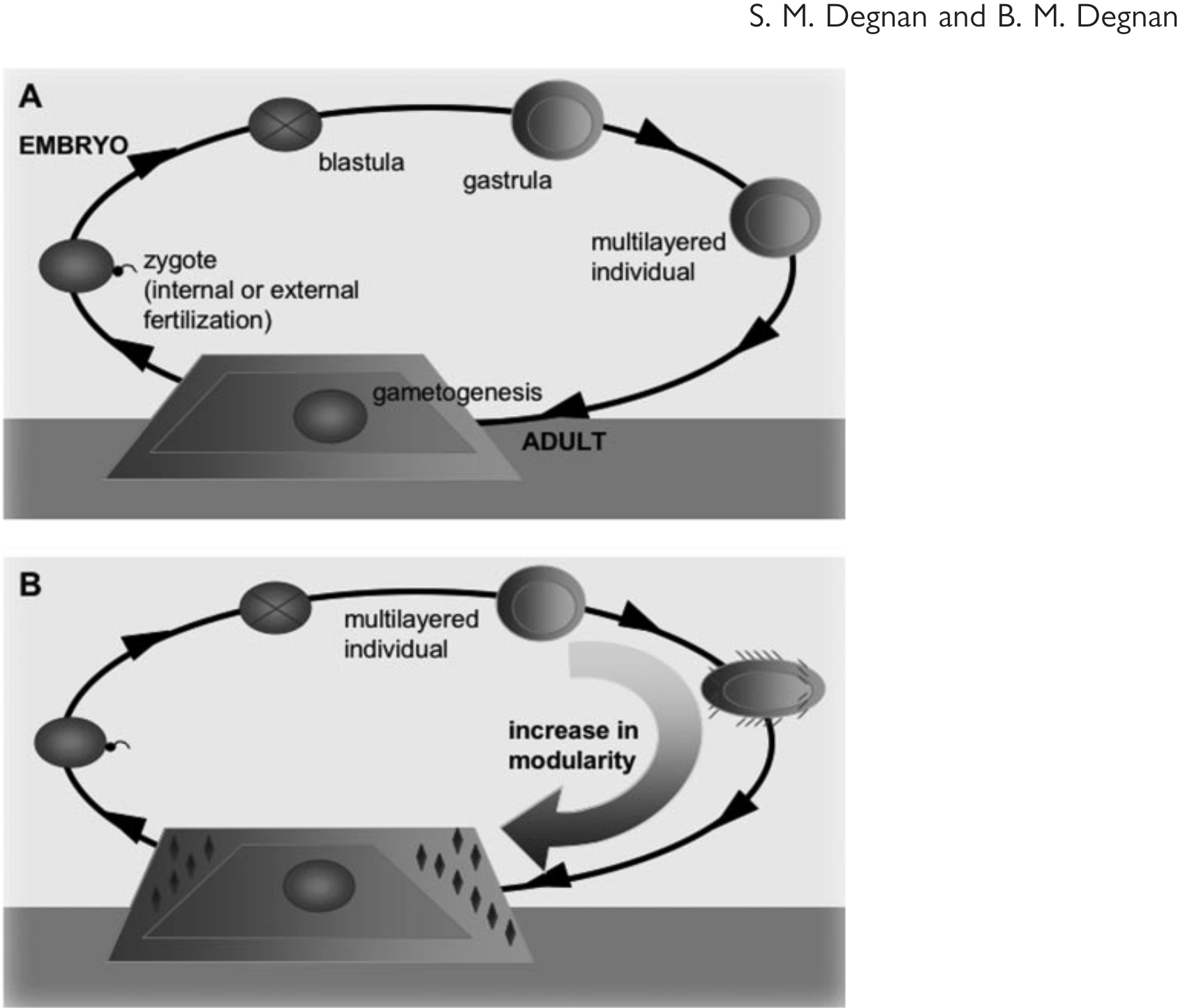
- co-option from adult features not plausible
- pelogobenthic life cycle old (~575 Mya)
- ‘larva-and-adult-first’
- NS likely evolved first in the active life-cycle stage
Acknowledgements
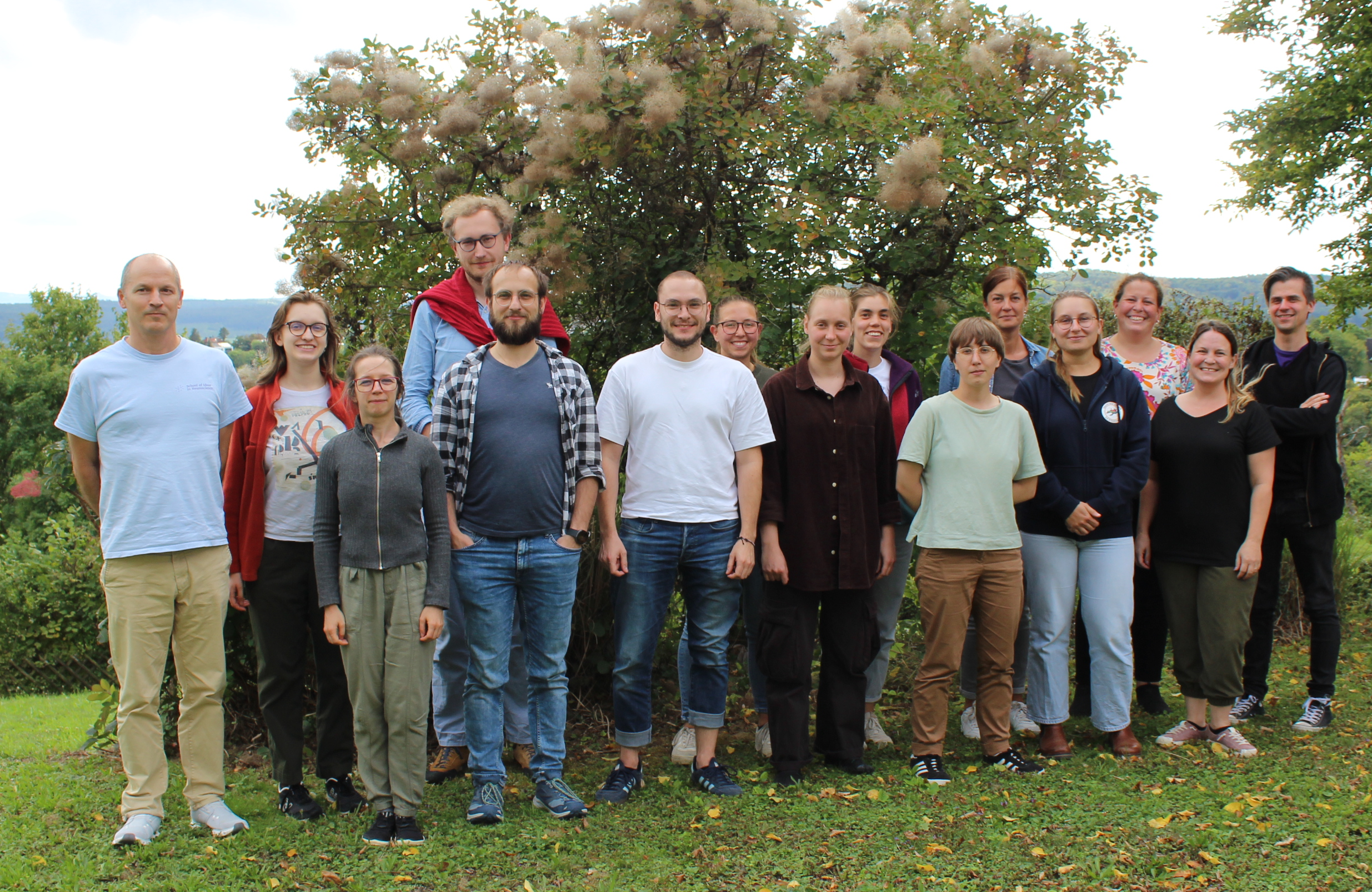
- Alexandra Kerbl
- Karel Mocaer
- Sanja Jasek
- David Hug
- Jules Duruz
- Mateusz Kostecki
- Benedikt Dürr
- Kata Szabó
- Emily Savage
- Simone Wolters
- Anja Ciprianidis
- Kevin Urbansky

Alumni
- Kei Jokura (NIBB, Okazaki)
- Luis Bezares (LBDV, Villefranche-sur-mer)
- Luis Yanez-Guerra (Uni Sussex)
- Emelie Brodrick (Sussex)
- Csaba Verasztó (EPFL)
Facilities
- Réza Shahidi
- Charlotta Funaya
- Ulrike Engel