On connectome-body models, hype and what we can learm from simple circuits
Heidelberg Wild Thinking Workshop - The organism, its self and its environment: from philosophy to physics (19-20 May 2026)
Centre for Organismal Studies, Heidelberg University
@jekely@biologists.social

Toward the realisation of…
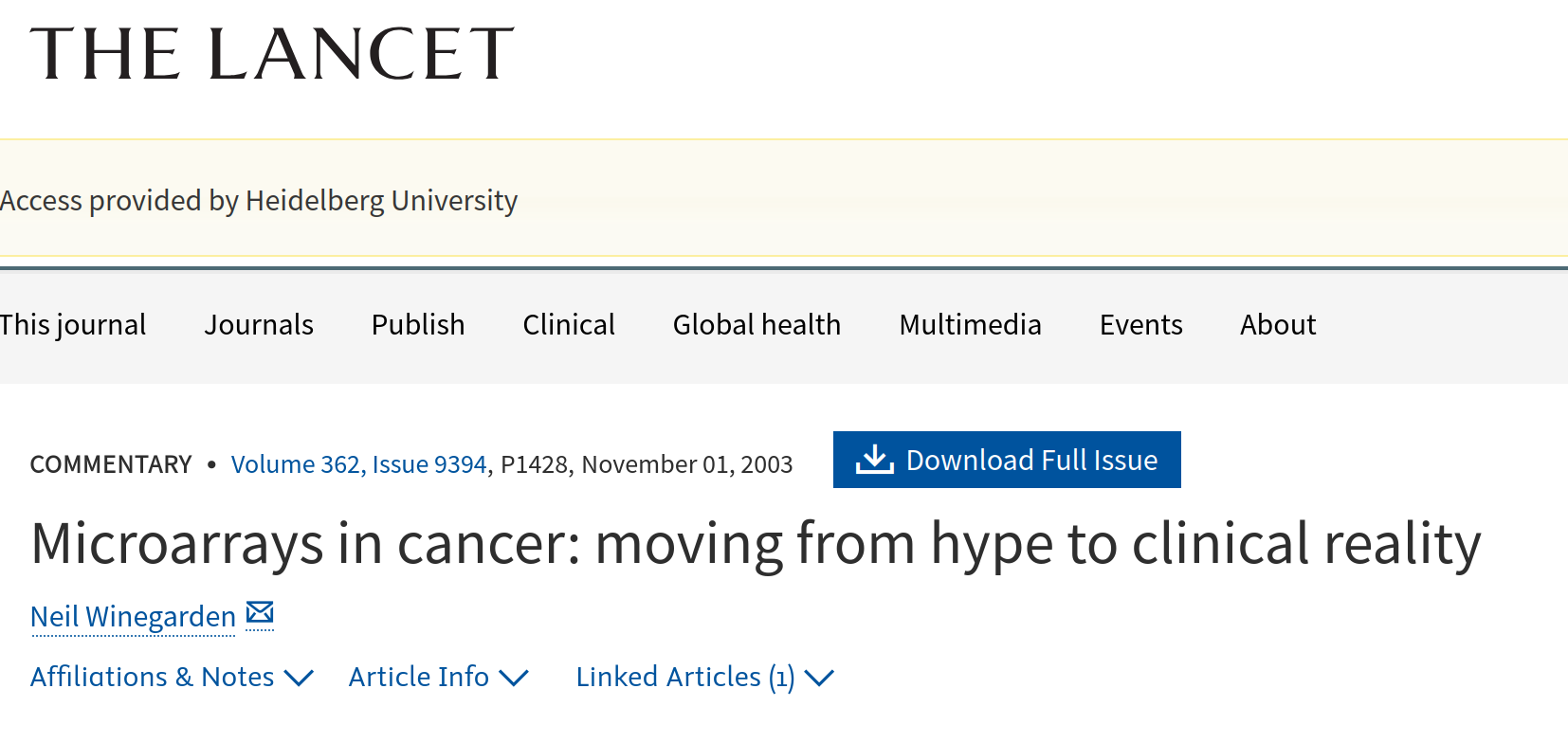 2003
2003 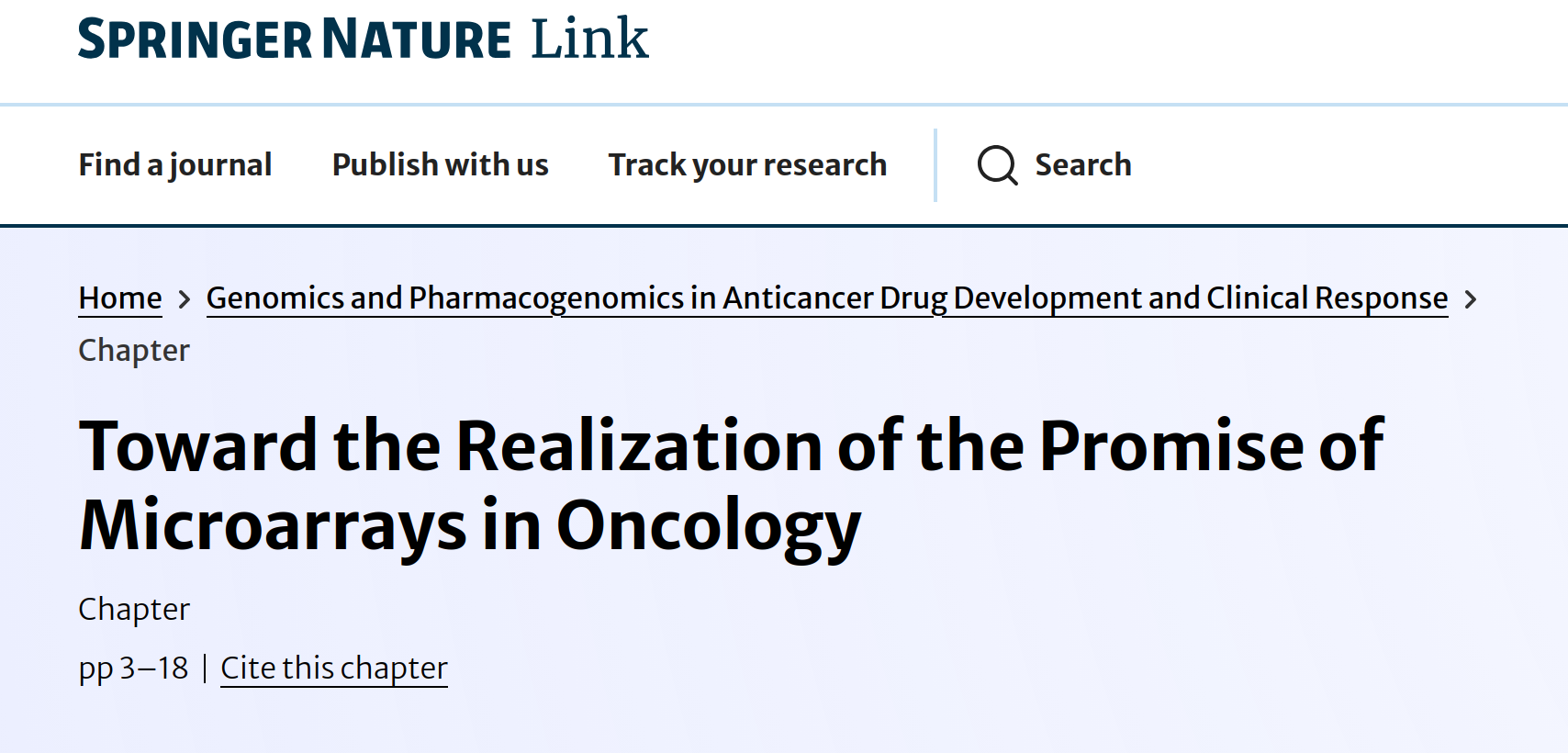 2008
2008
Microarrays
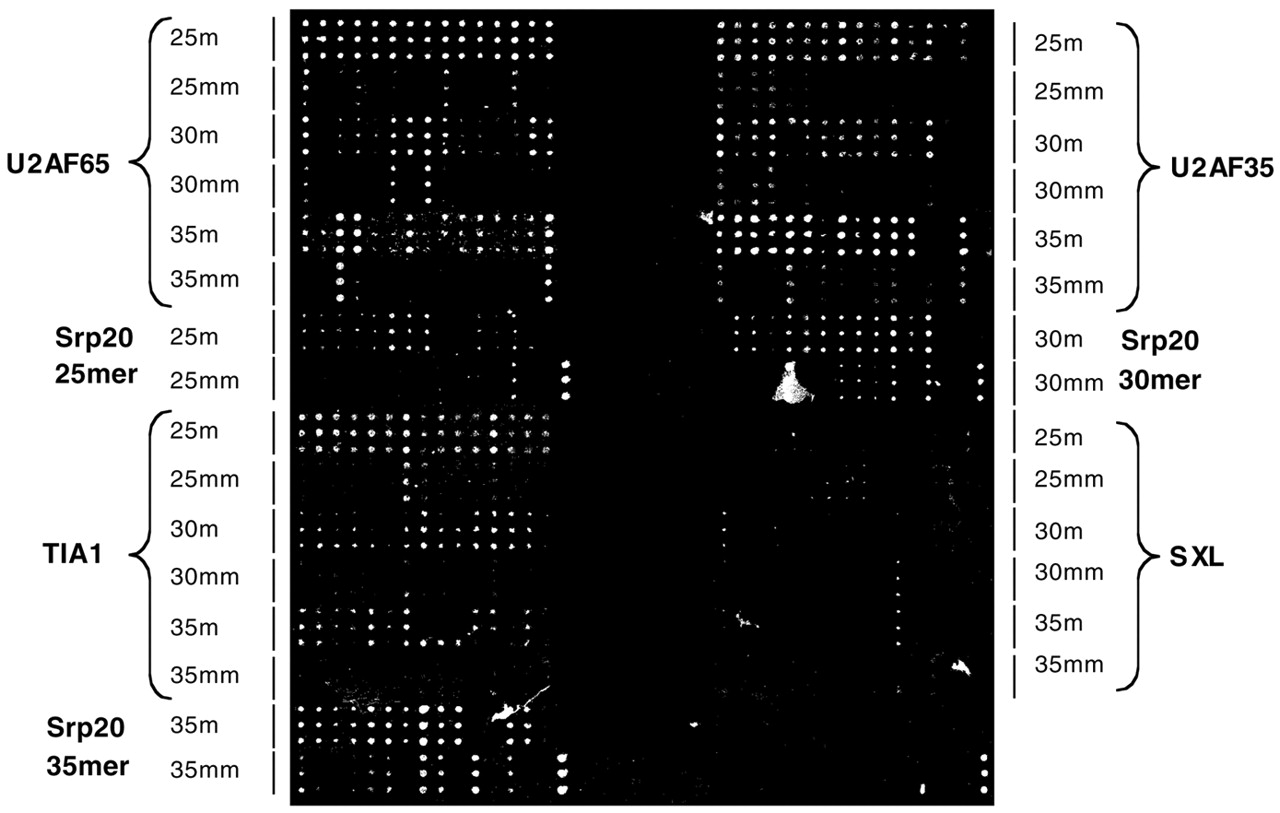
Hybridization of fluorescently labeled HeLa mRNAs to oligonucleotide microarrays
- dilemma in early 2000s “shall we buy Affymetrix chips or set up our chip-printing facility”?
- (both very expensive, but at least Affymetrix works…)
So what happened to microarrays?
- spoiler alert — they did not cure cancer
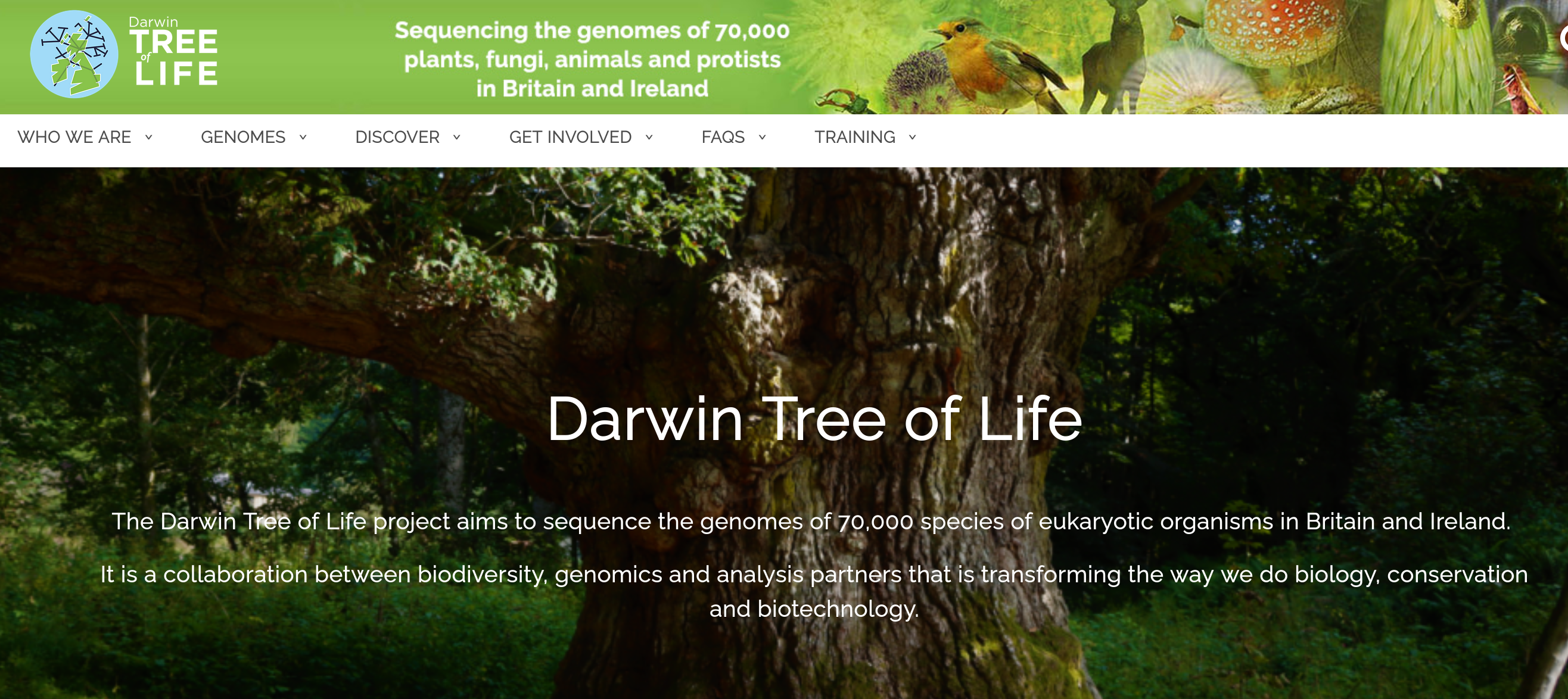
Darwin Tree of Life
- Title in HTML/search result: “Darwin Tree of Life – Reading the genomes of all life: a new platform for understanding our biodiversity”
How is it going?
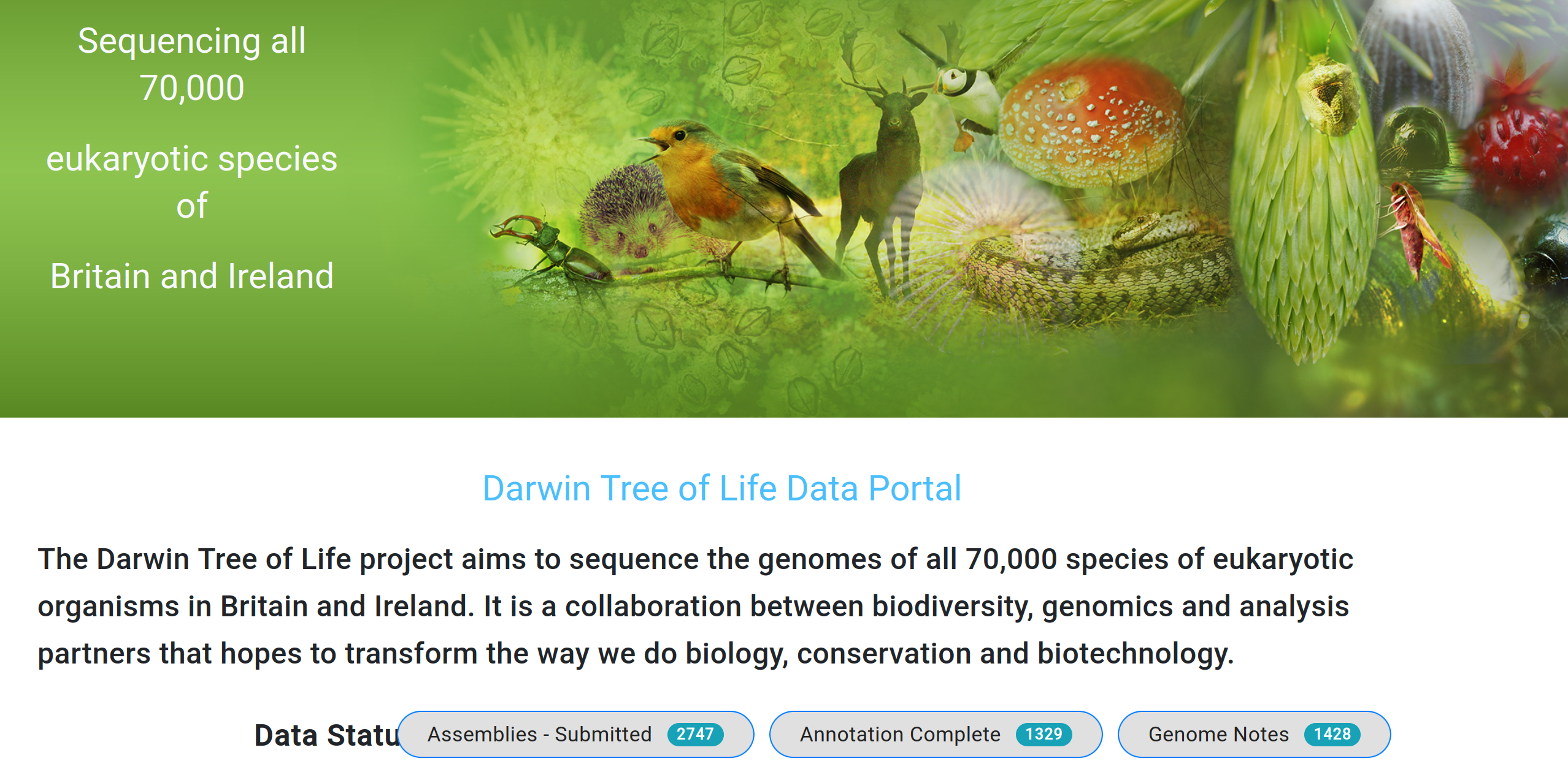
- 2747 genome assemblies (out of planned 70,000)
- project launched in 2022: 2747/4=686; 70000÷686.75 = 102 year (of course throughput increases etc…)
- but: how about population genetic diversity? how about outside Britain and Ireland?
- (it is a nice project, but should not over-promise – hopes to transform the way we do biology…)
‘Terraforming’
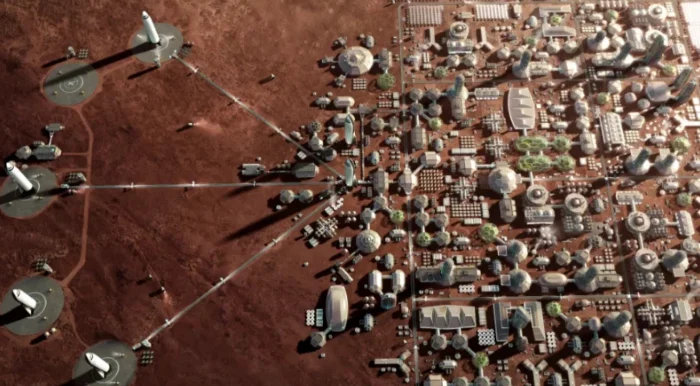
- base buildup, multiple ships, then a city, a bigger city, terraforming (etc. bs..)
- reality: it is a biophysical, economical etc. impossibility to terraform Mars (a colossal con)
‘AI’
(let’s not go there now…)
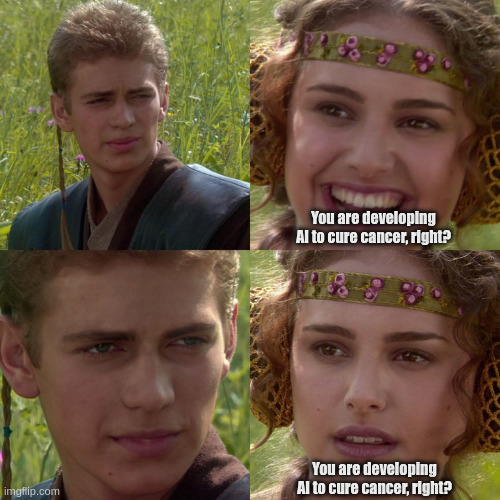
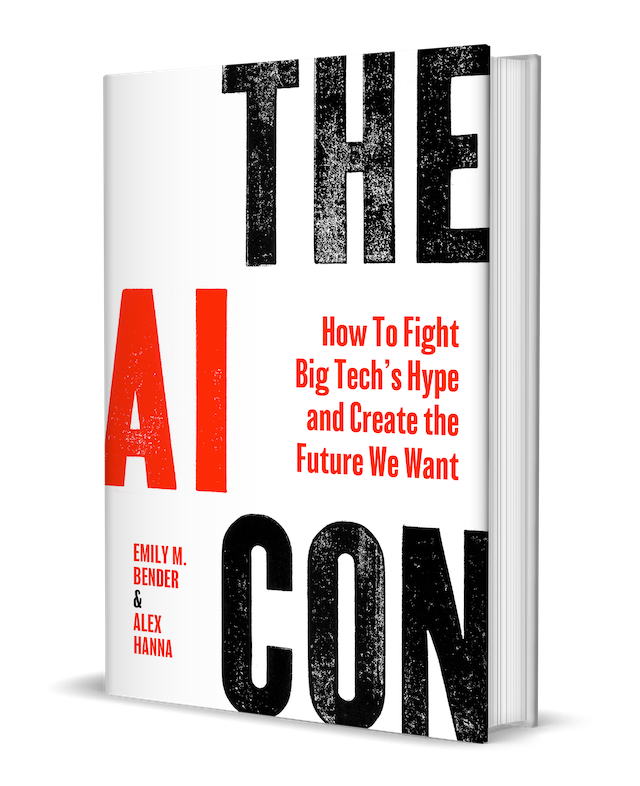
AI hype
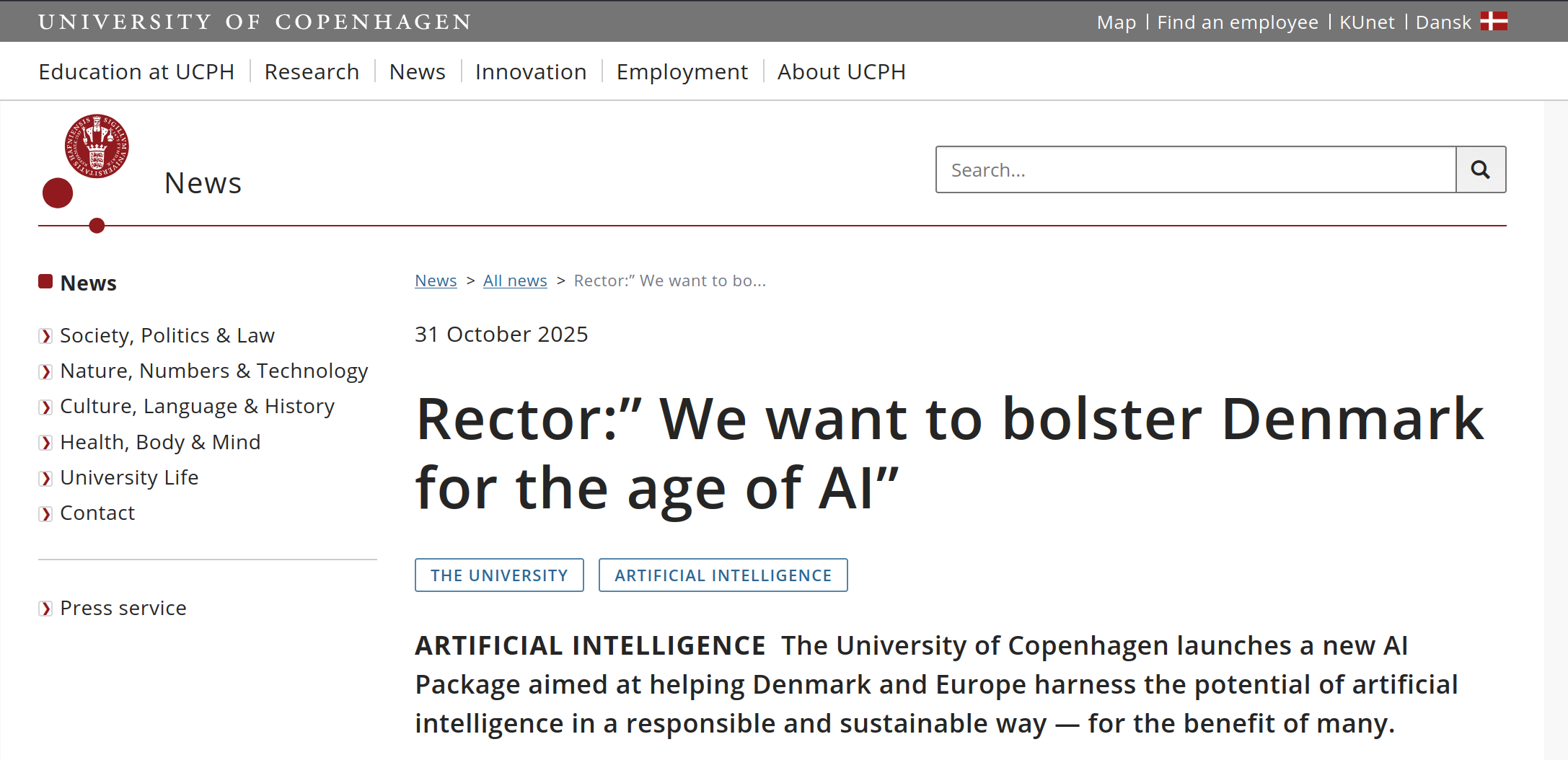
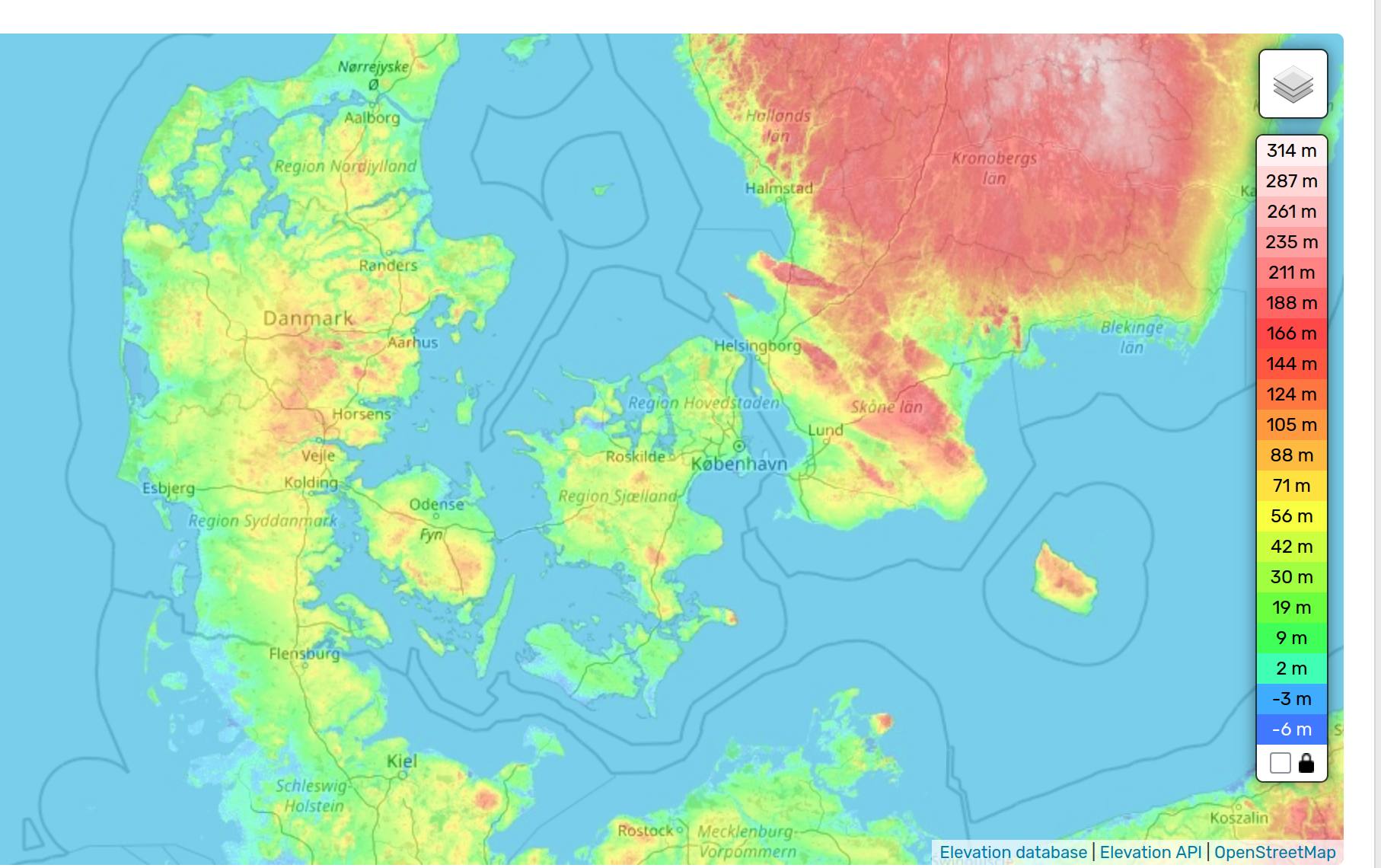
- Topographic map of Denmark
- (Greenland ice sheet melt -> 8 m)
The promise of connectomics
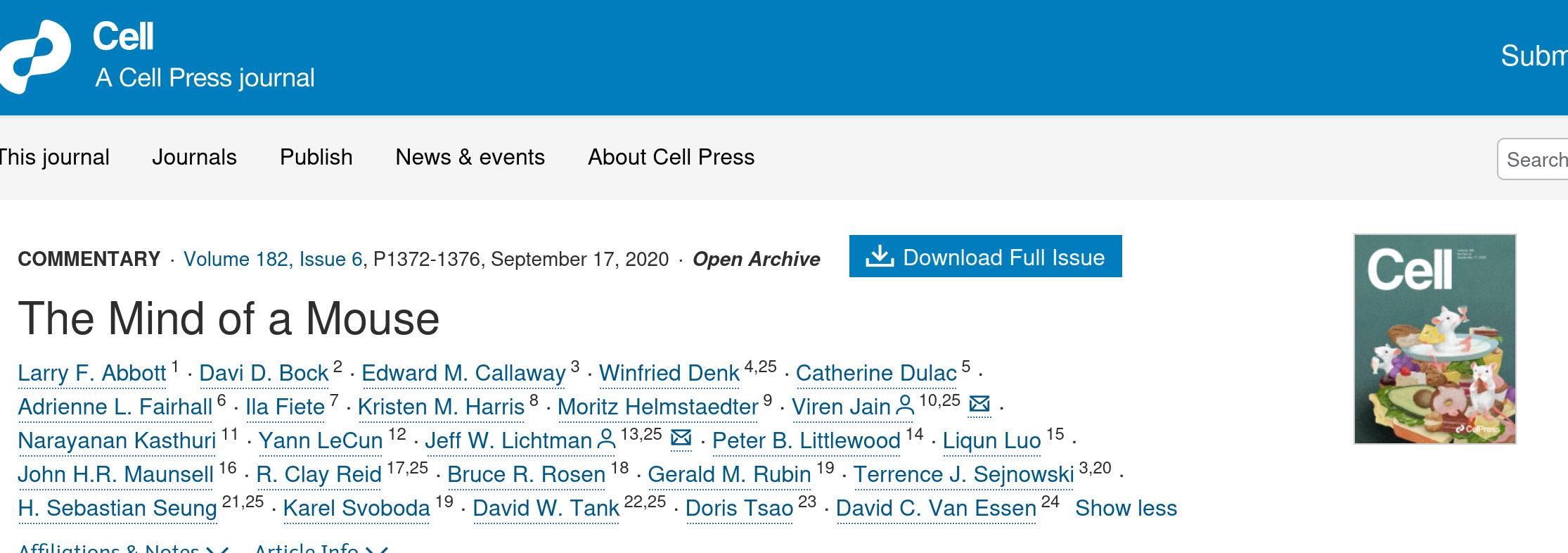
- map all synaptic connections in one mouse
- the ‘mind’ (“The Mind of a Worm” - Brenner 1986)
- “The mouse connectome will provide a comprehensive description of brain-wide synapse level communication pathways and circuit motifs that underpin the fundamental principles of biological intelligence and may guide us to the construction of integrative AI systems with comparable attributes”
- (excecces: human connectome -> ‘uploaders’)
- “You are your connectome”
The promise of connectomics
- “comprehensive description of brain-wide synapse level communication pathways”
- (how about synapsy type, transmitter, receptor diversity, molecular ‘state’ of dendrites etc.)
- how about 100 layers of neuromodulators (invisible in EM)
- “the fundamental principles of biological intelligence”
- (how about… the body? what do you mean by intelligence?)
- “integrative AI systems with comparable attributes”
- (comparable to a mouse?)
‘Uploading’ a fly
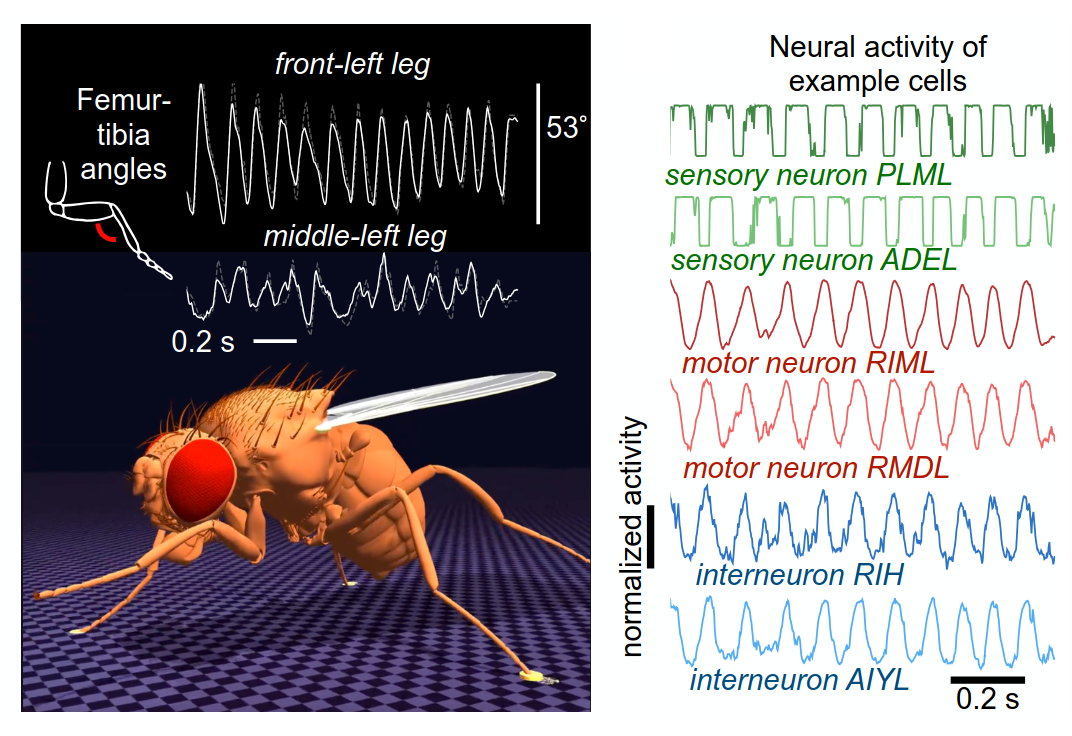
- a digital fly
- musculoskeletal model, closed-loop simulations
- deep reinforcement learning
- motor control based on the connectome
A ‘digital sphinx’
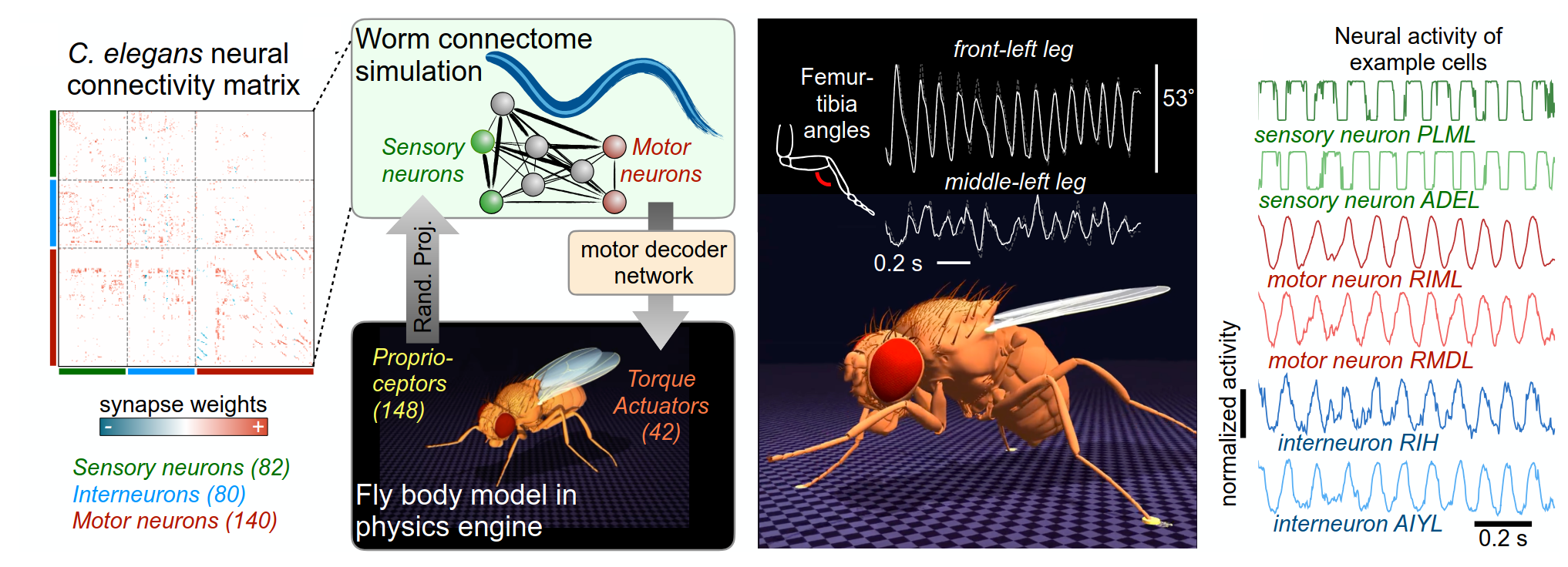 - the connectome was from C. elegans
- “This exercise [] exposes a core peril of connectome-body models: behavioral fidelity is achievable without biological fidelity, making such models easy to overinterpret. ”
If you have the connectome then what?
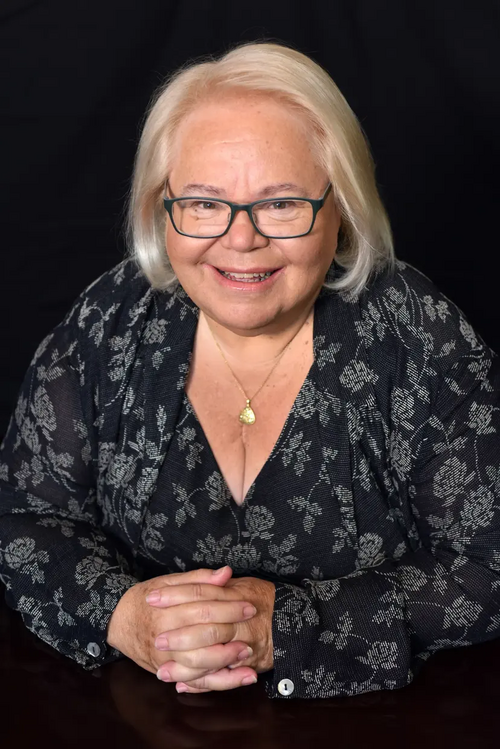
Eve Marder
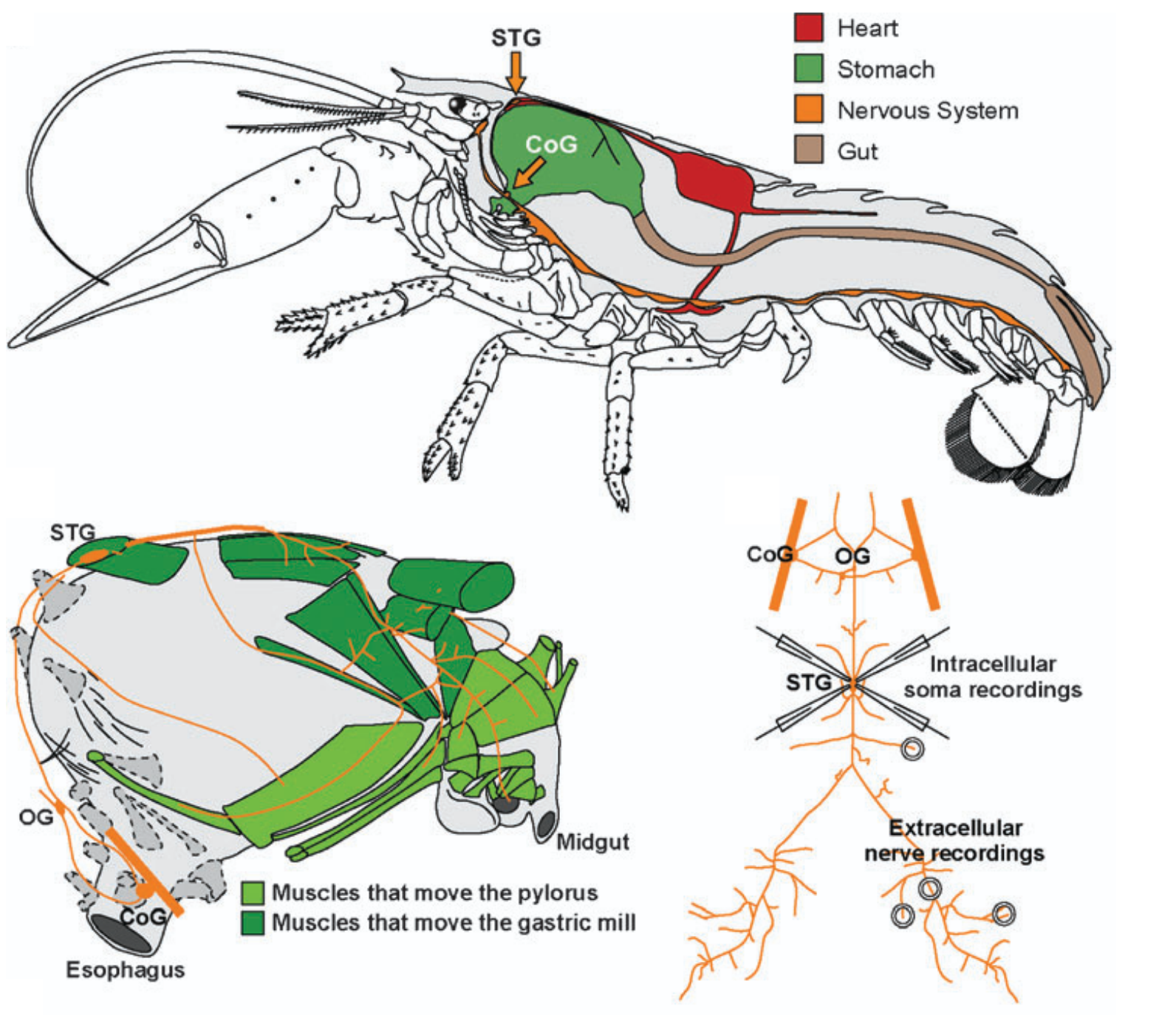
- connectome is important but does not equal the ‘mind’
- stomatogastric nervous systems of lobsters and crabs
- handful of identifyable neurons
- complex rhythmic dynamic
- connectome known for decades
If you have the connectome then what?
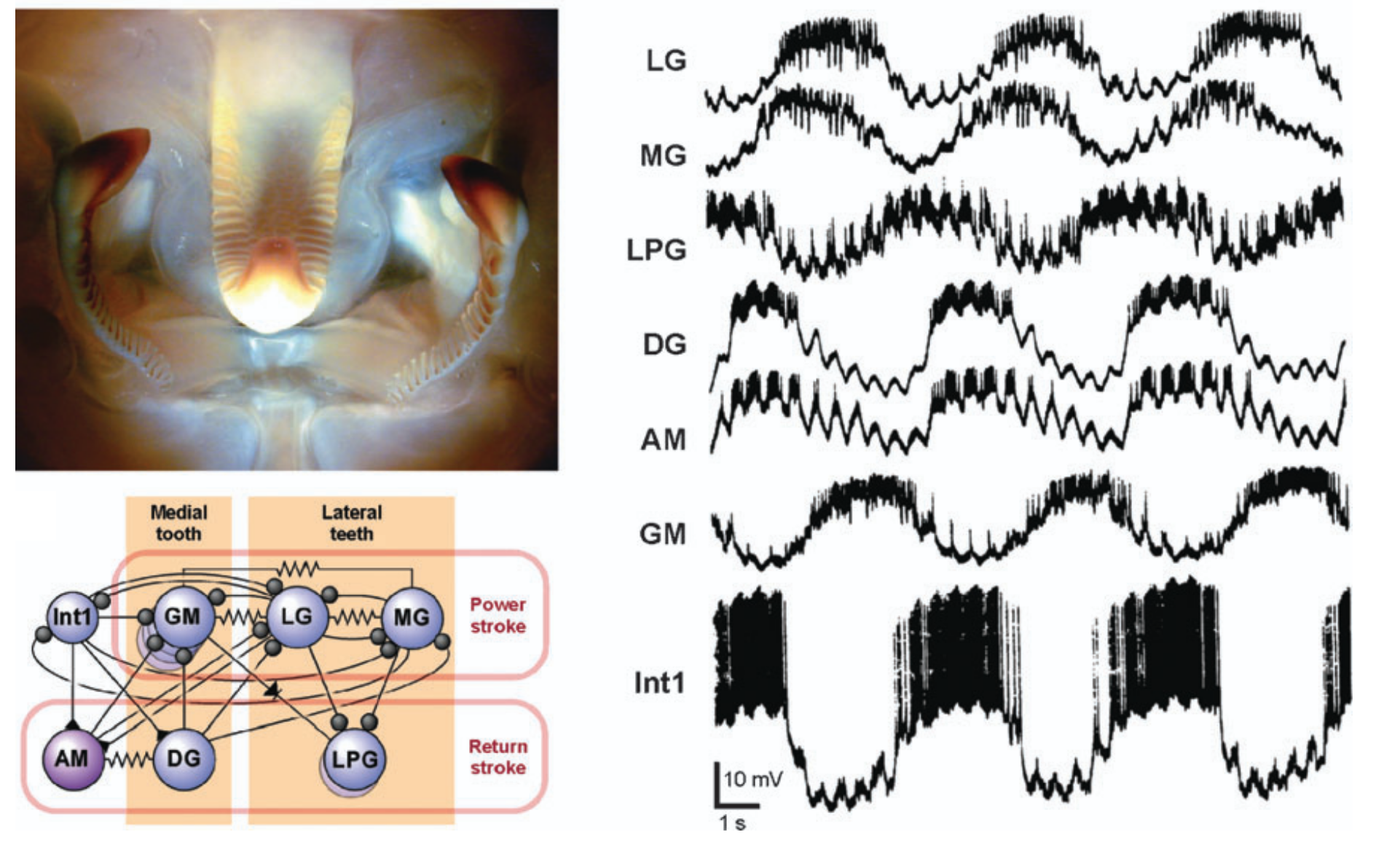
- multiple neuromodulatory mechanisms
- multiple complex currents in each neuron
- inter-individual variability
- non-trivil temperature dependence
Platynereis dumerilii
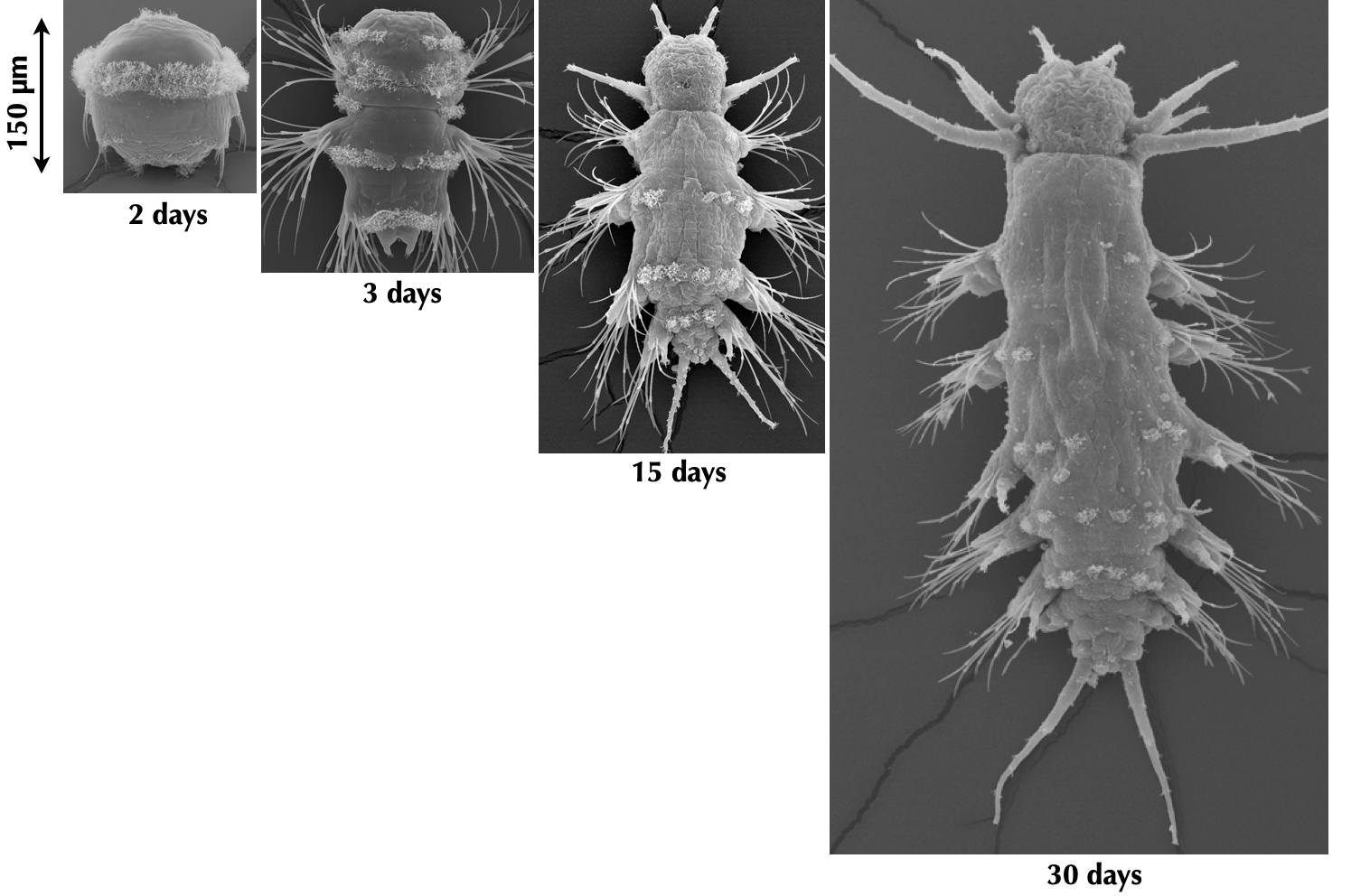
- breeding culture
- microinjection, transgenesis
- neuron-specific promoters and antibodies
- knock-out lines
- neuronal connectome
- neuronal activity imaging
Array tomography for vEM and connectomics
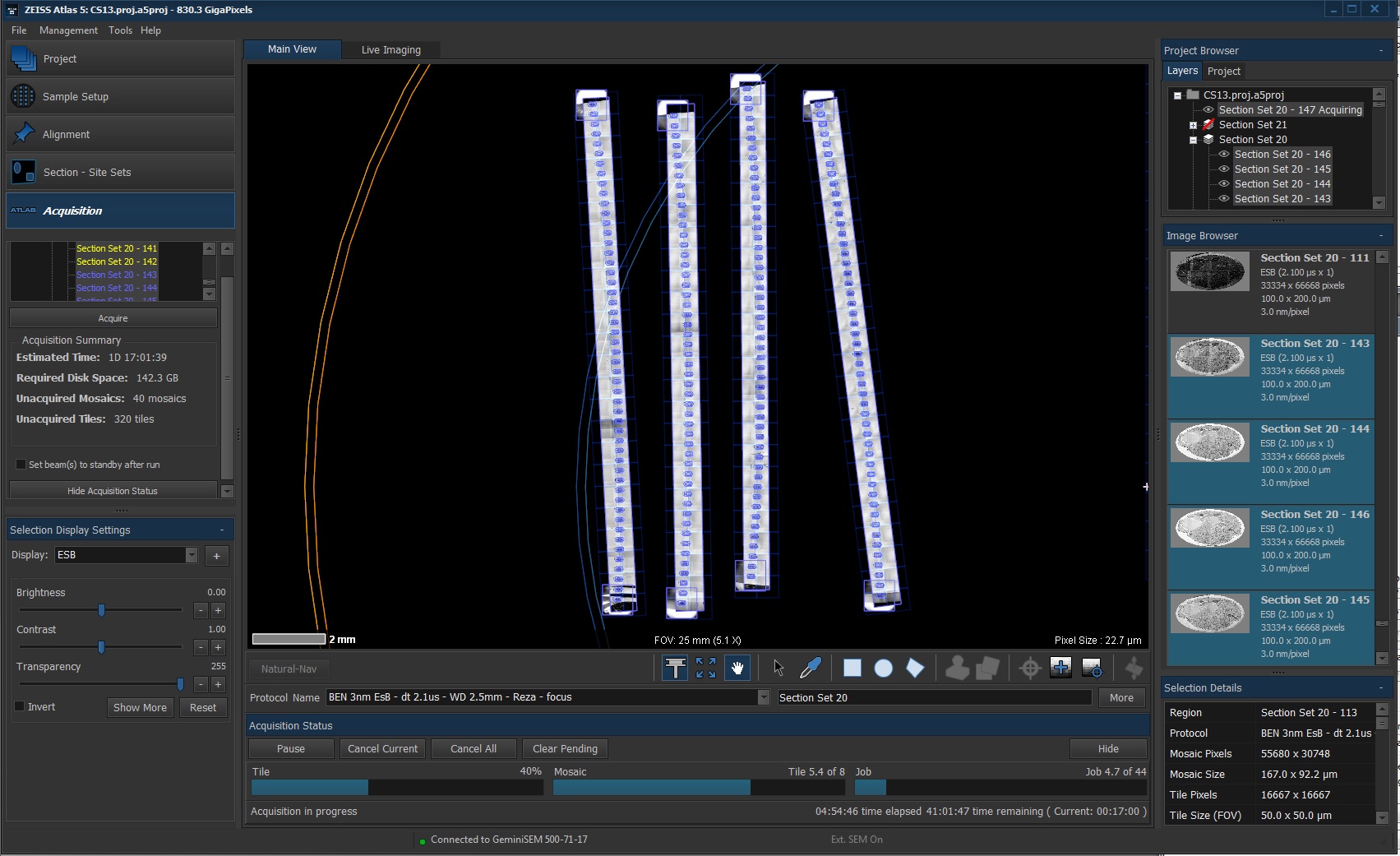
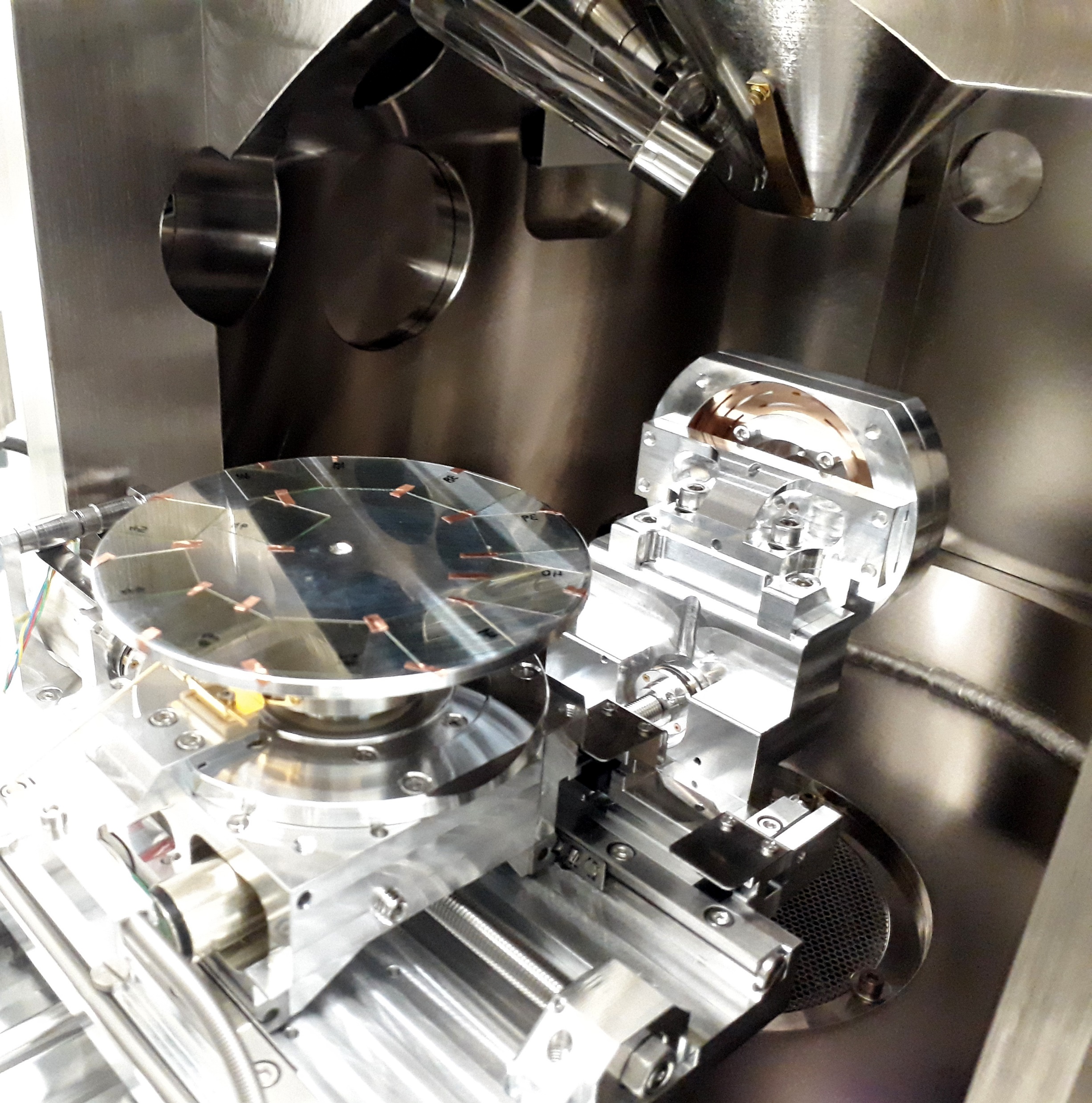
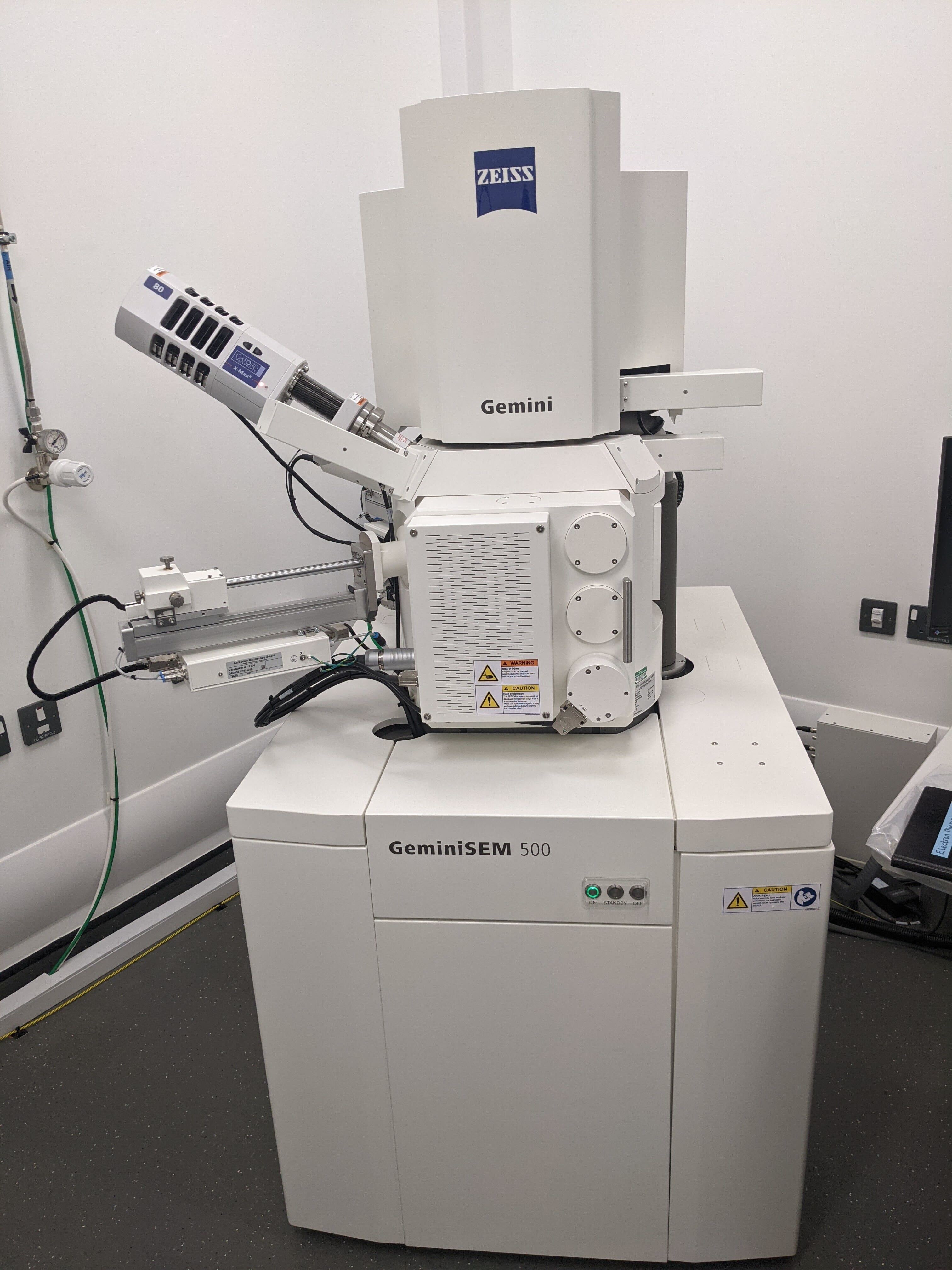
- 2 Zeiss Gemin SEMs
- Leica UC7 Ultramicrotome
- new TEM instrument to be purchased
- (we love technology…)
Synaptic pathways from sensors to effectors
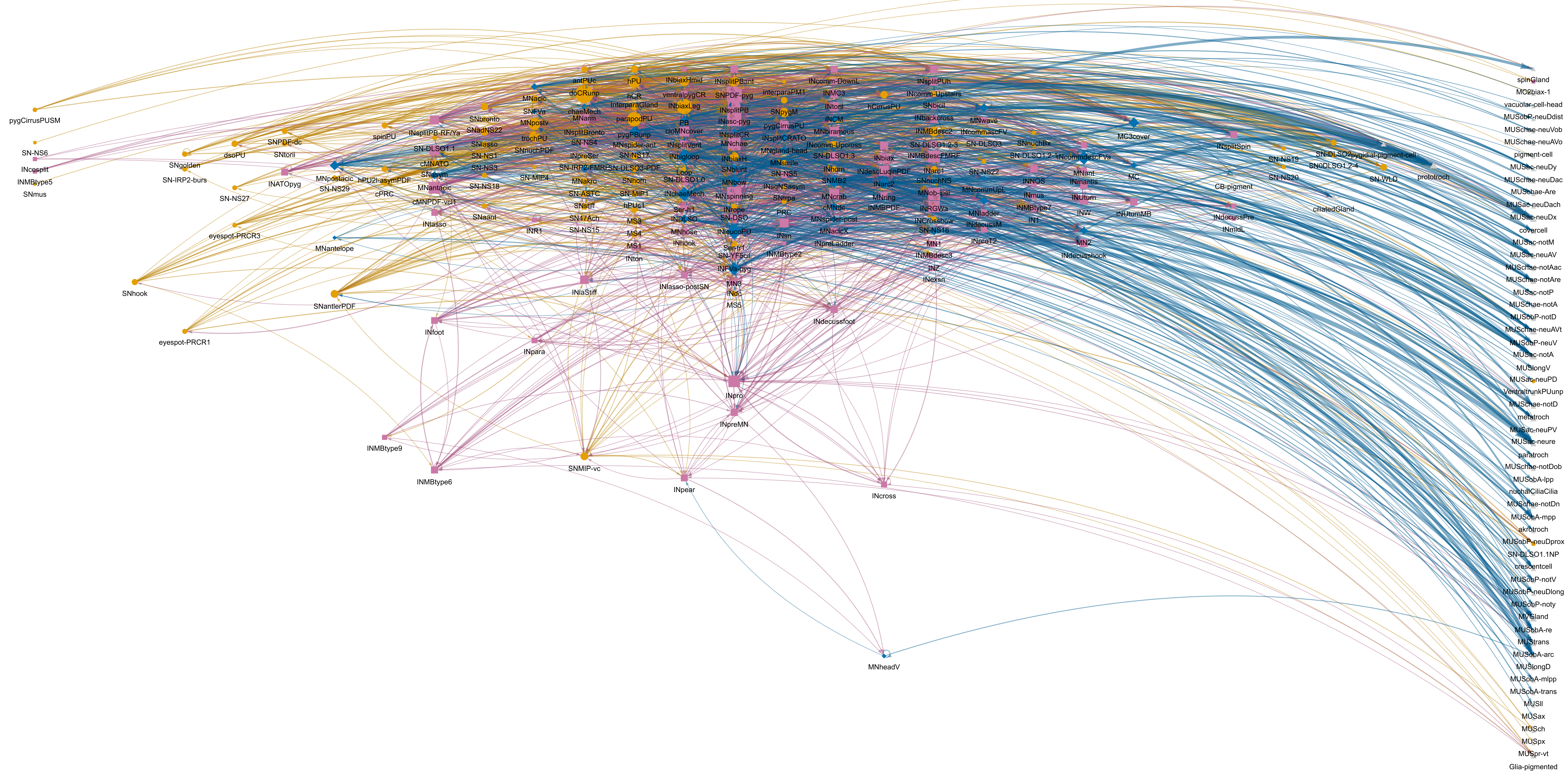

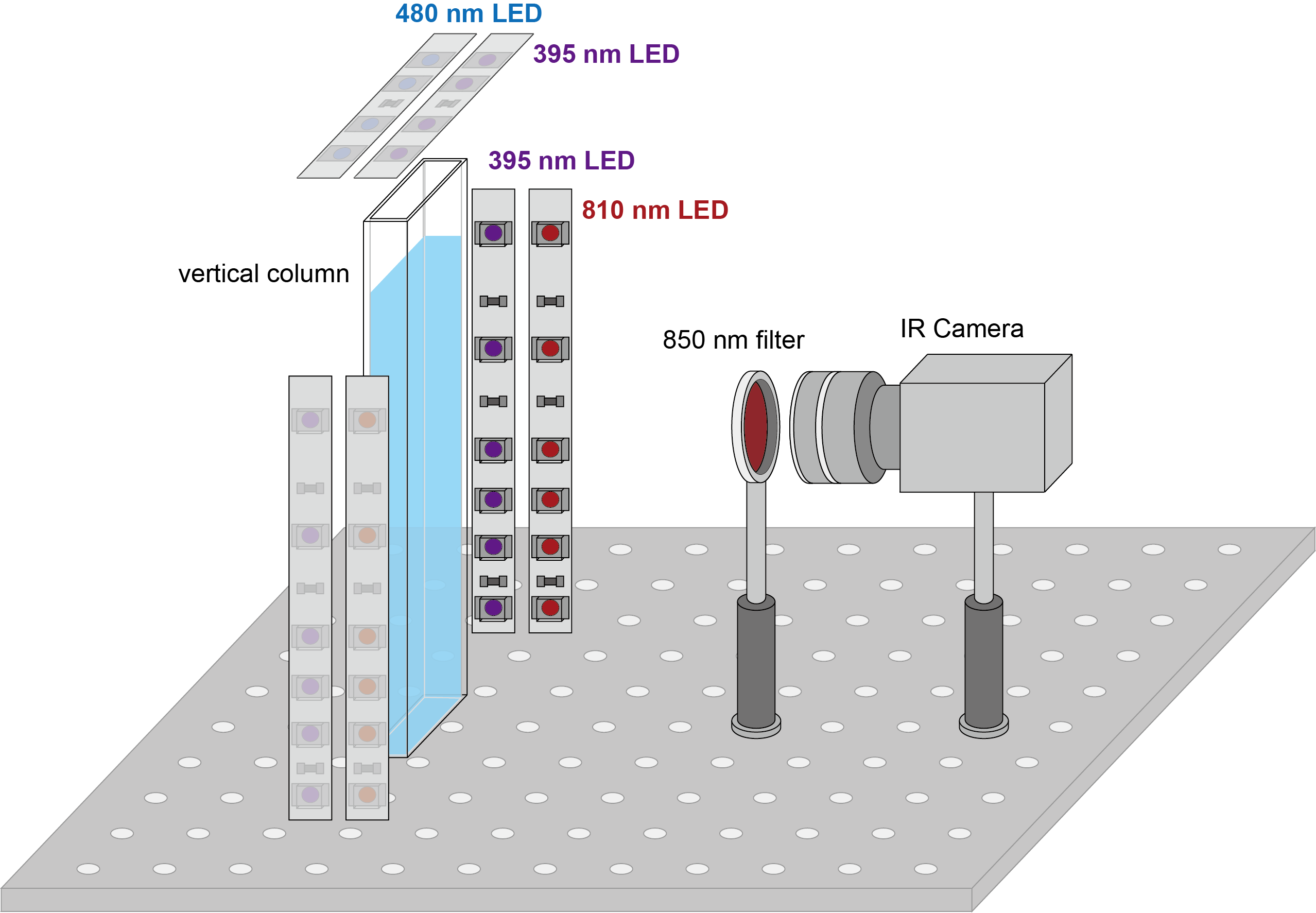
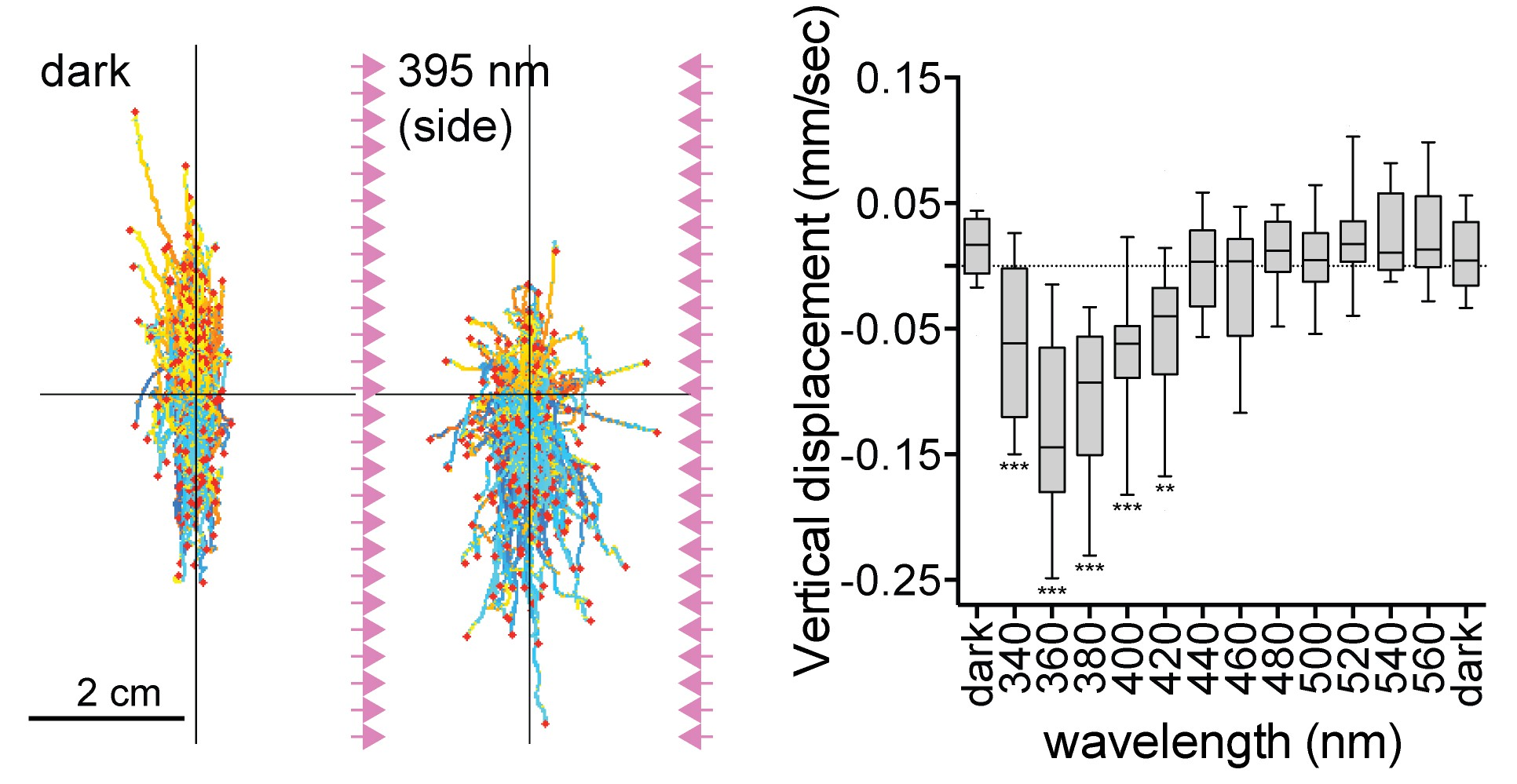
UV response in Platynereis larvae
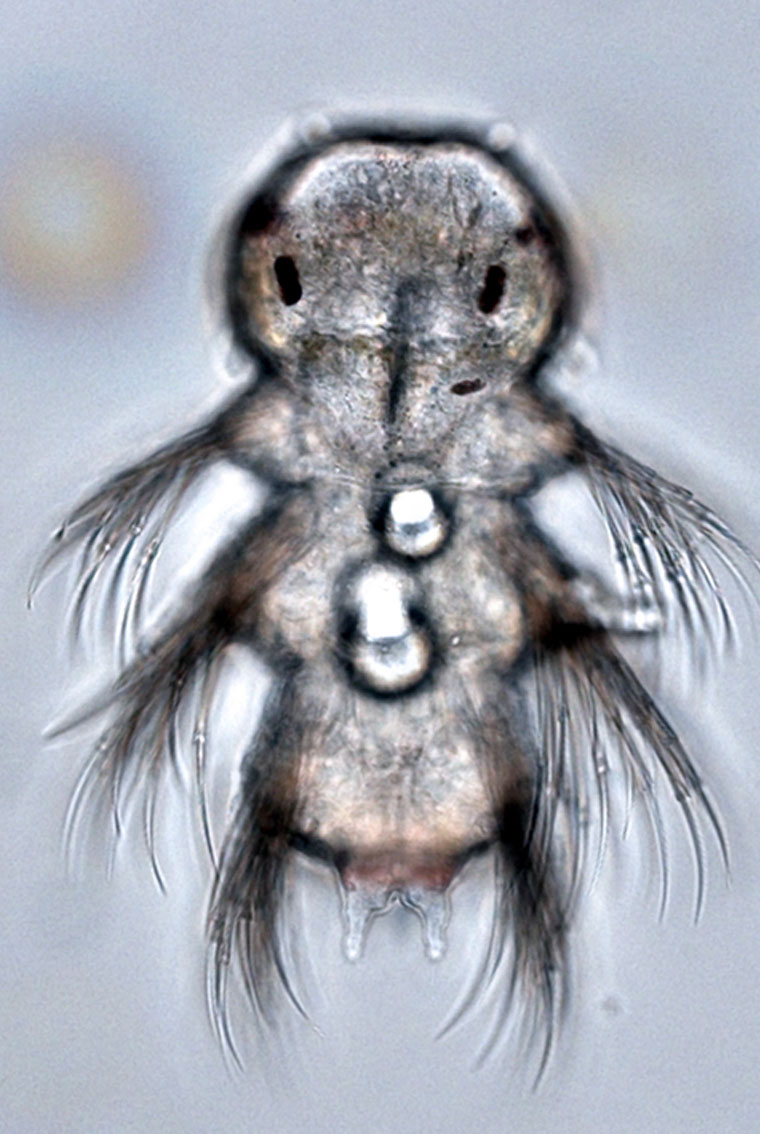
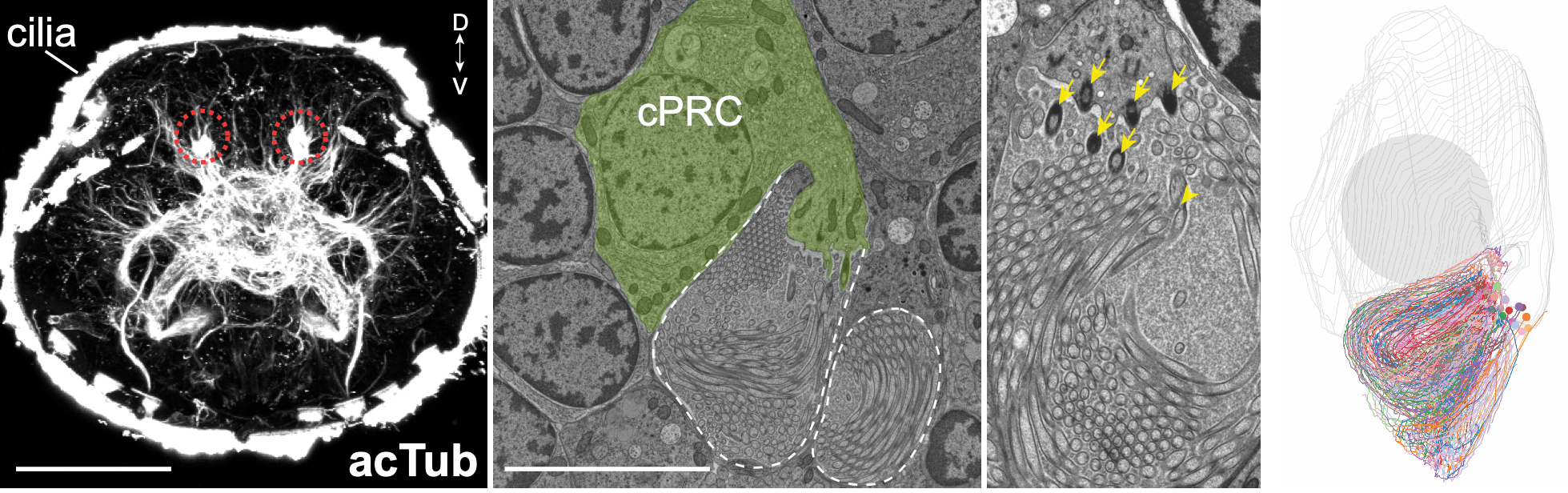
Brain ciliary photoreceptors with ramified cilia
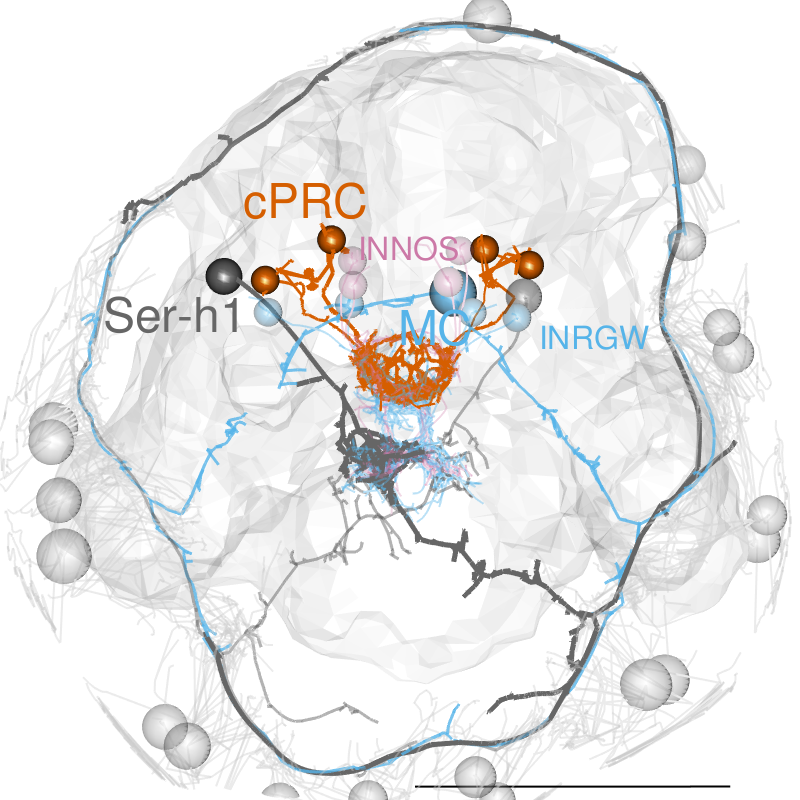
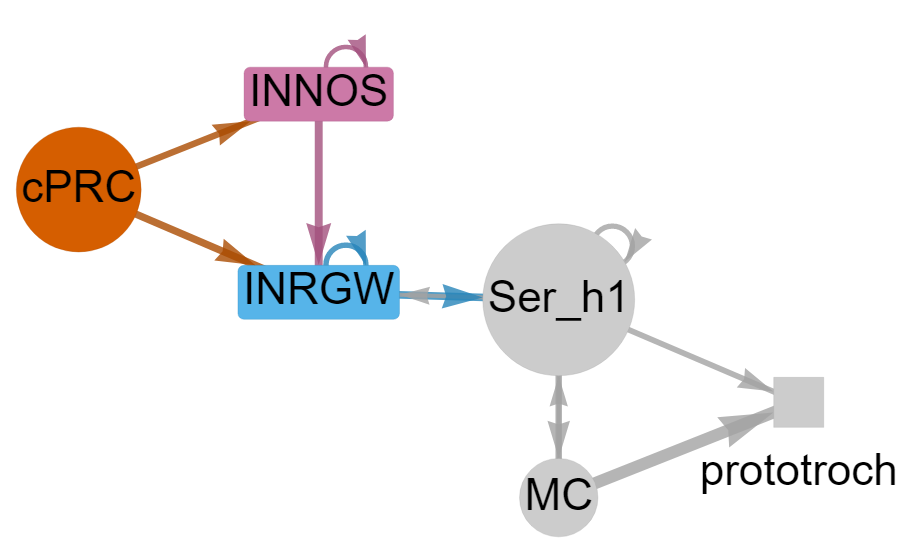
Circuitry of ciliary photoreceptors
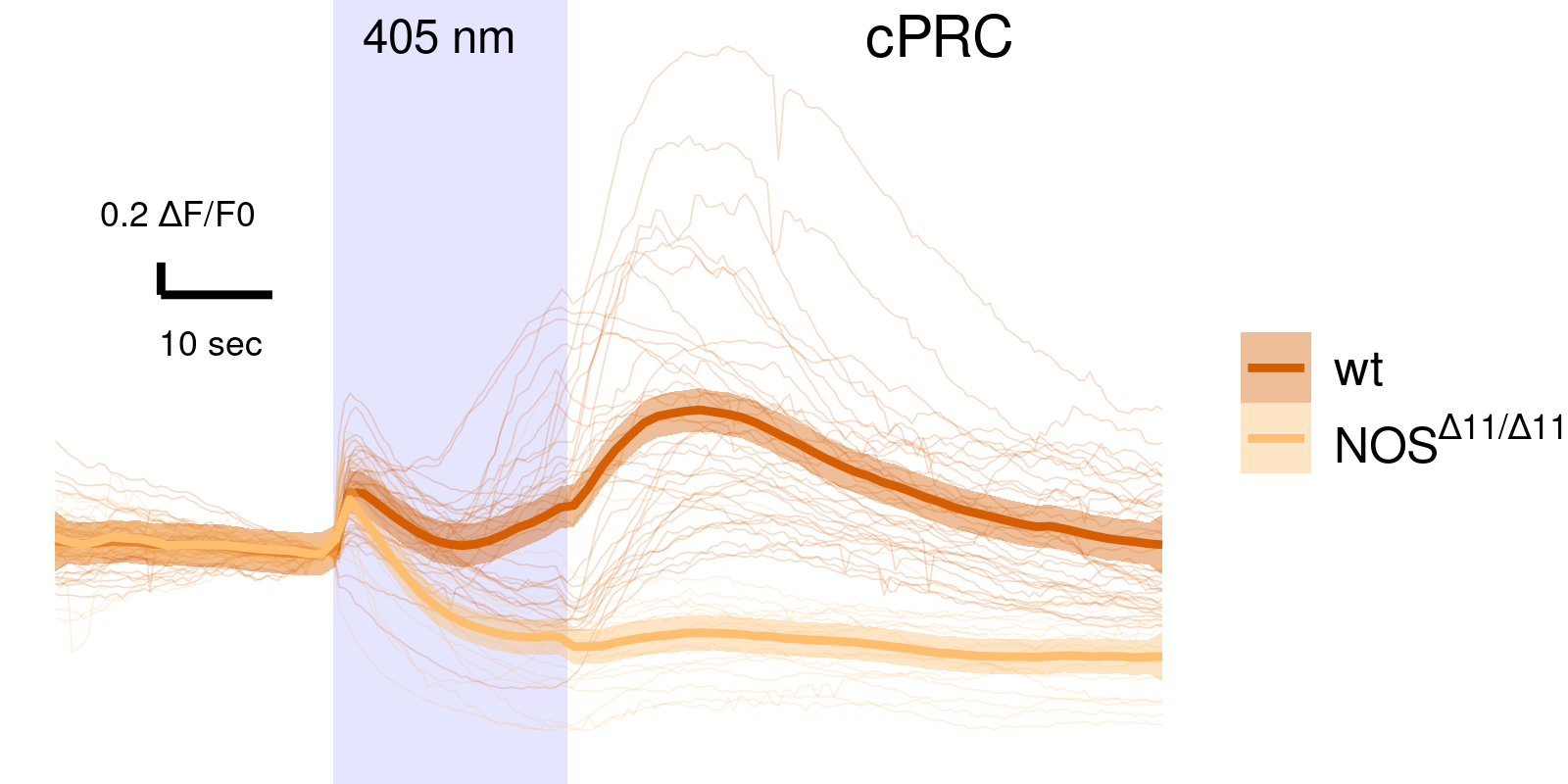
Strong cPRC activation after UV exposure
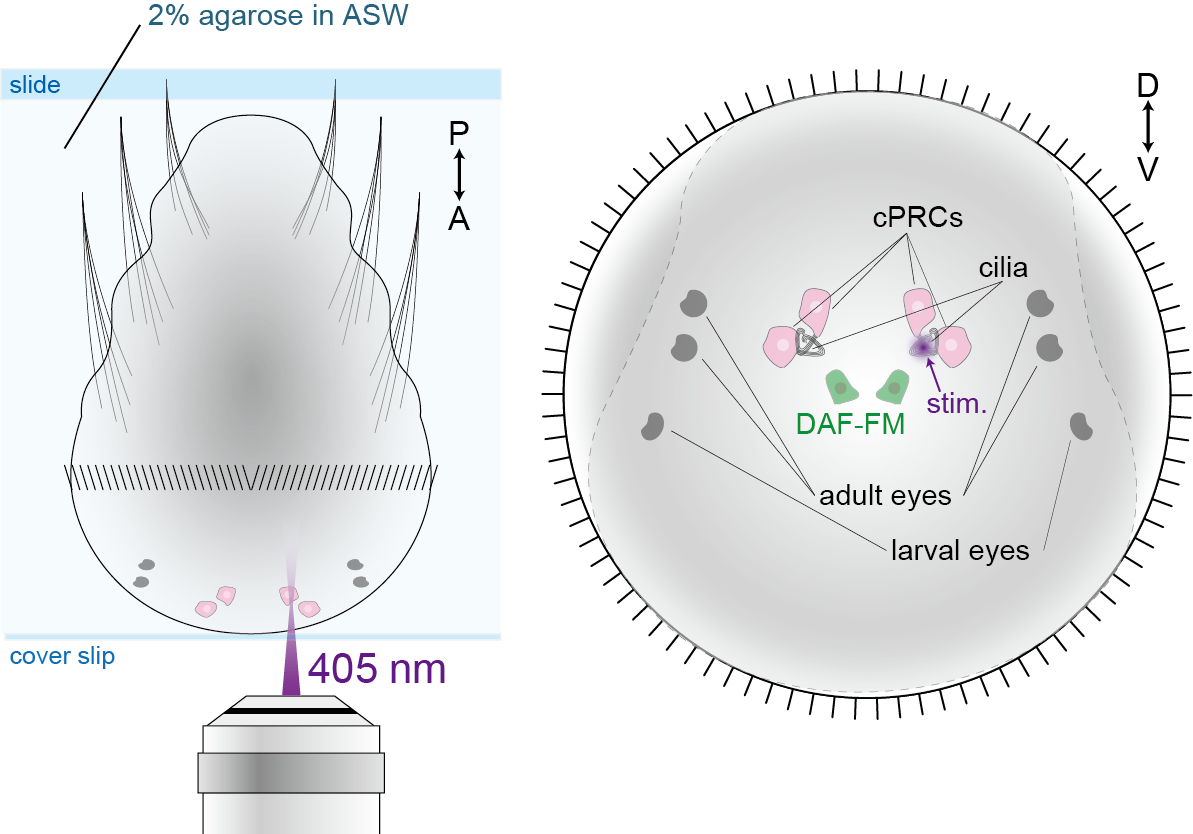
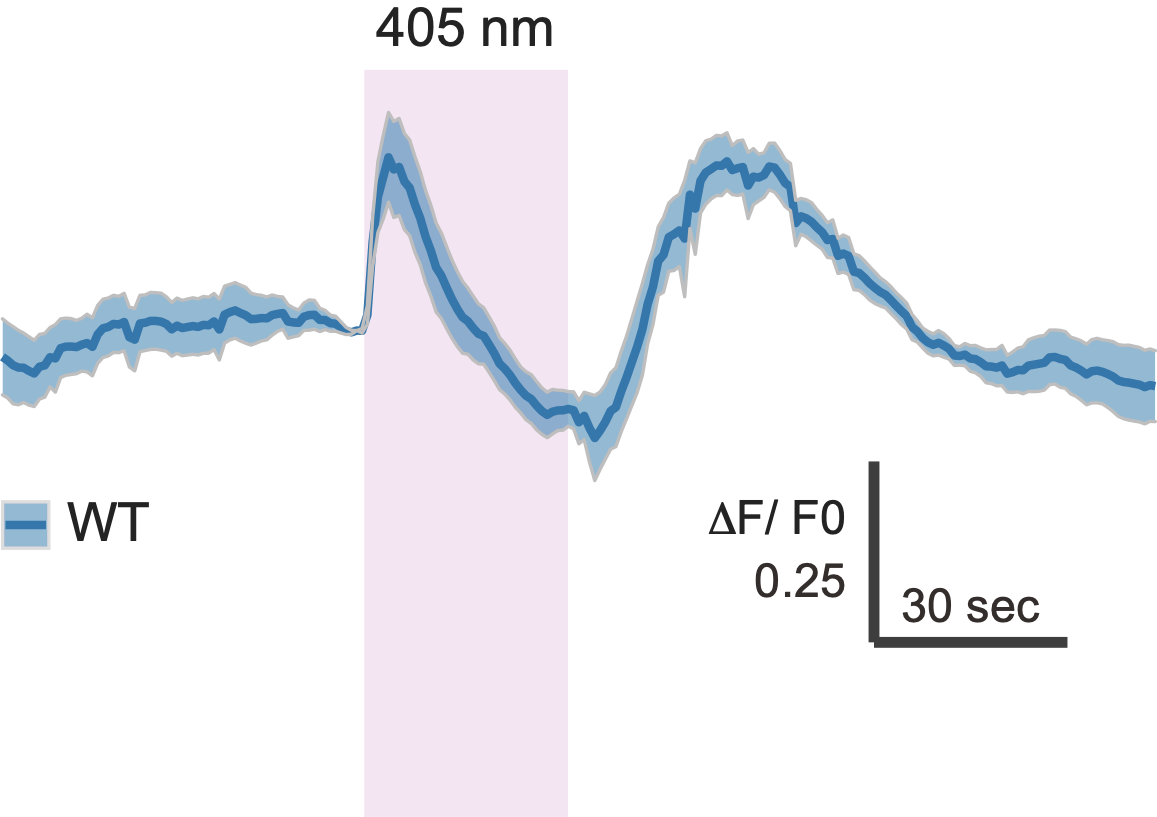

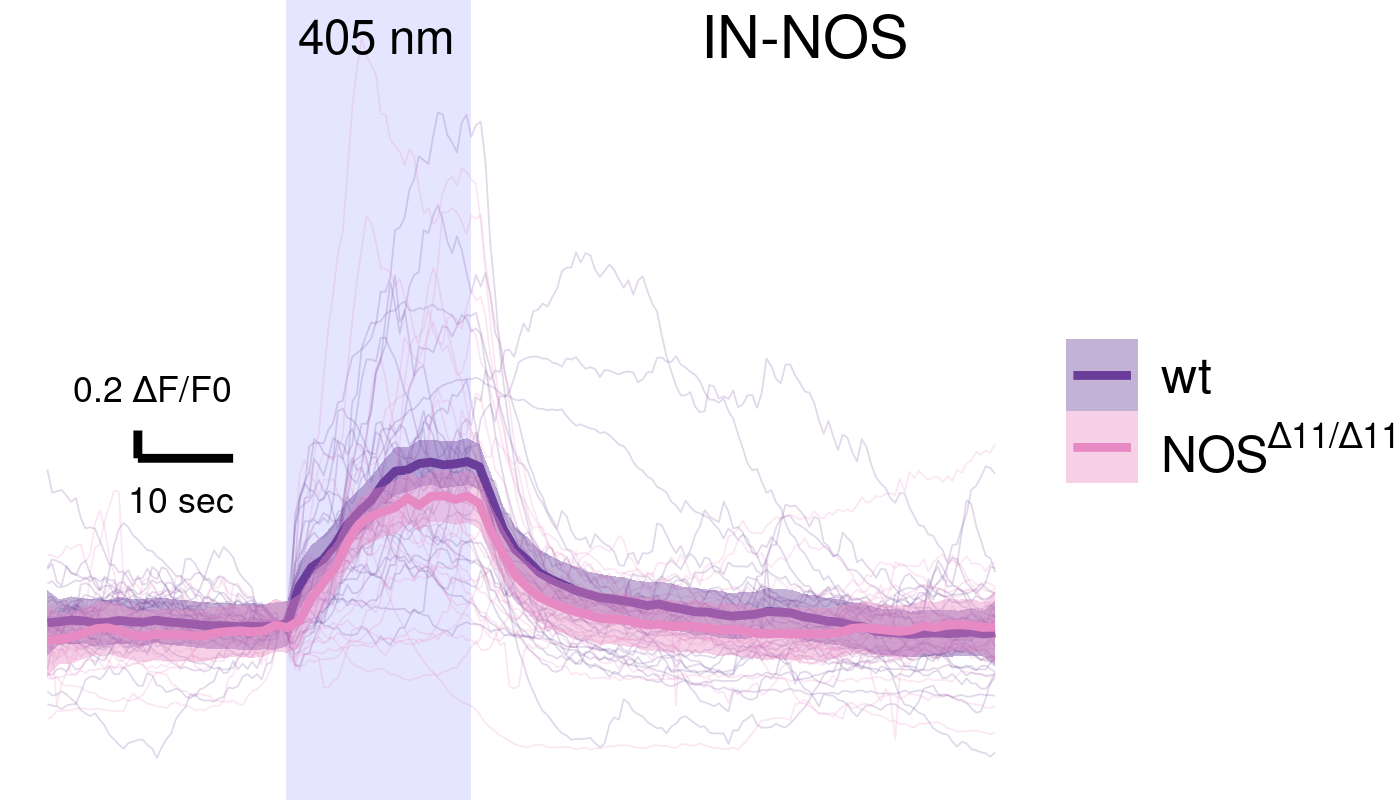
Nitric-oxide synthase in postsynaptic interneurons
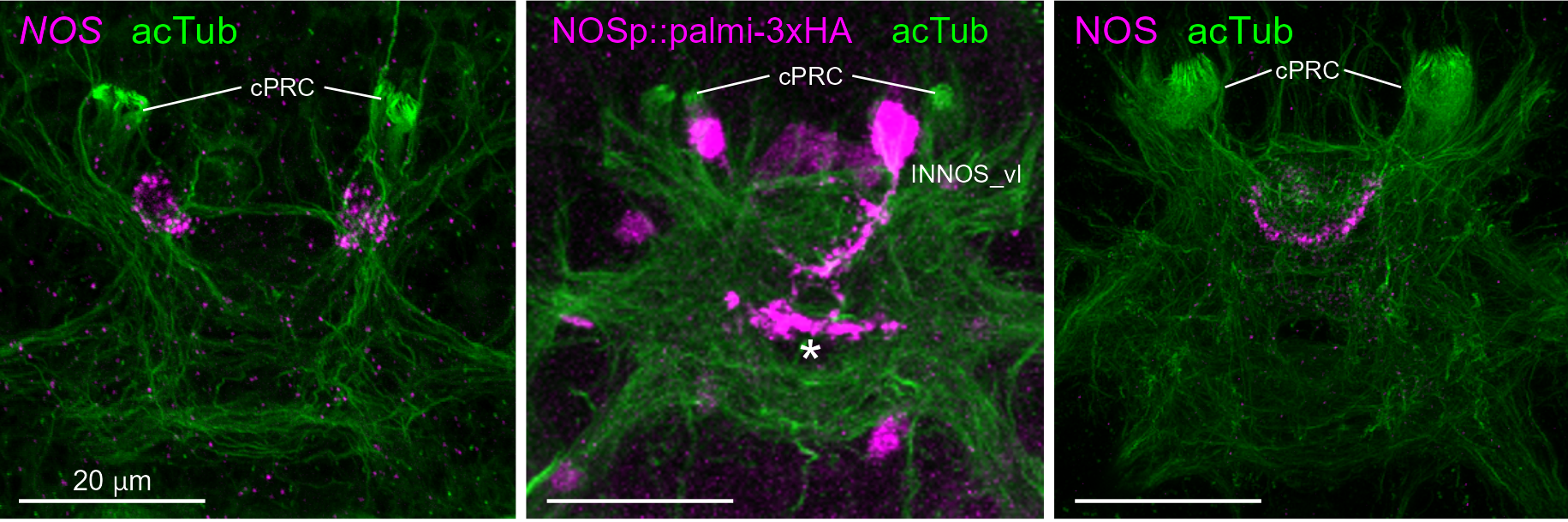
HCR
Transgenic labelling
immunostaining
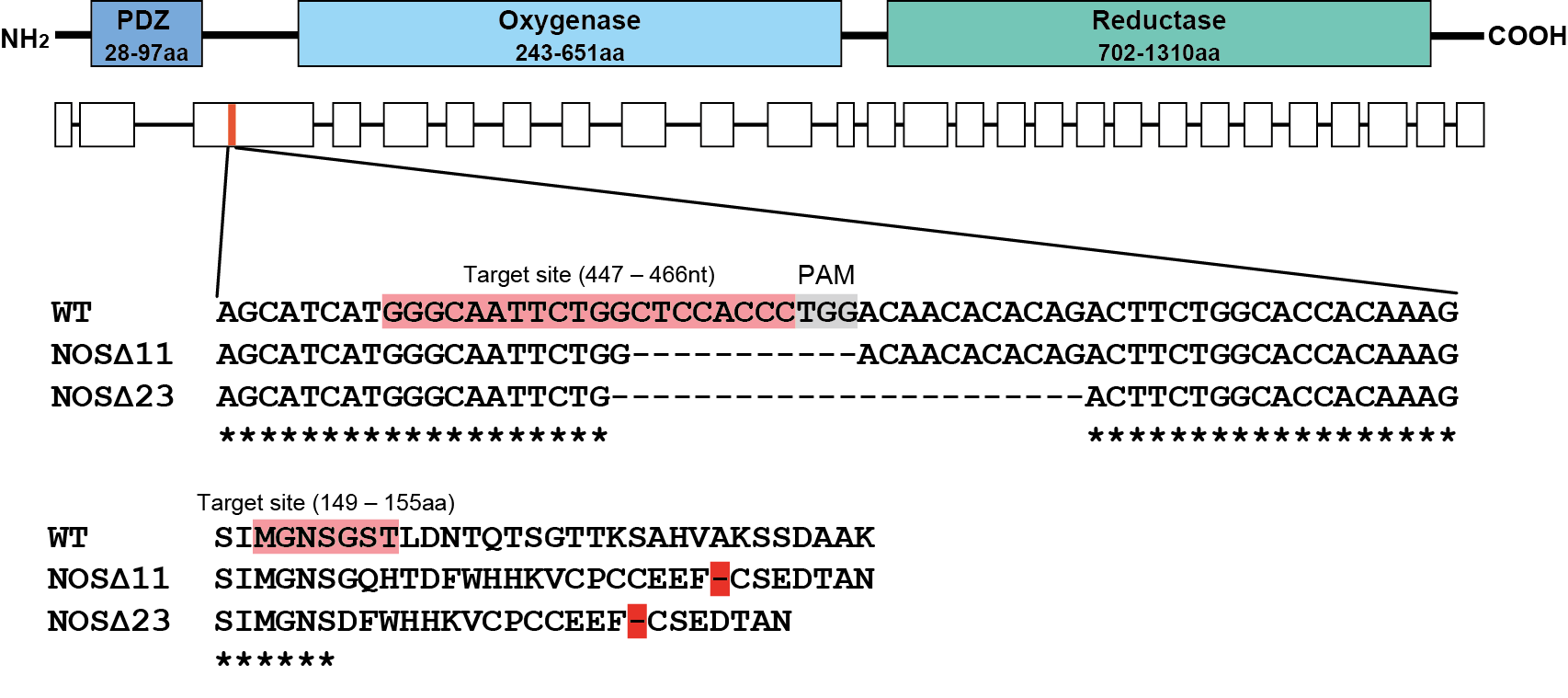
NOS mutants have defective UV response
Field trips to explore marine plankton
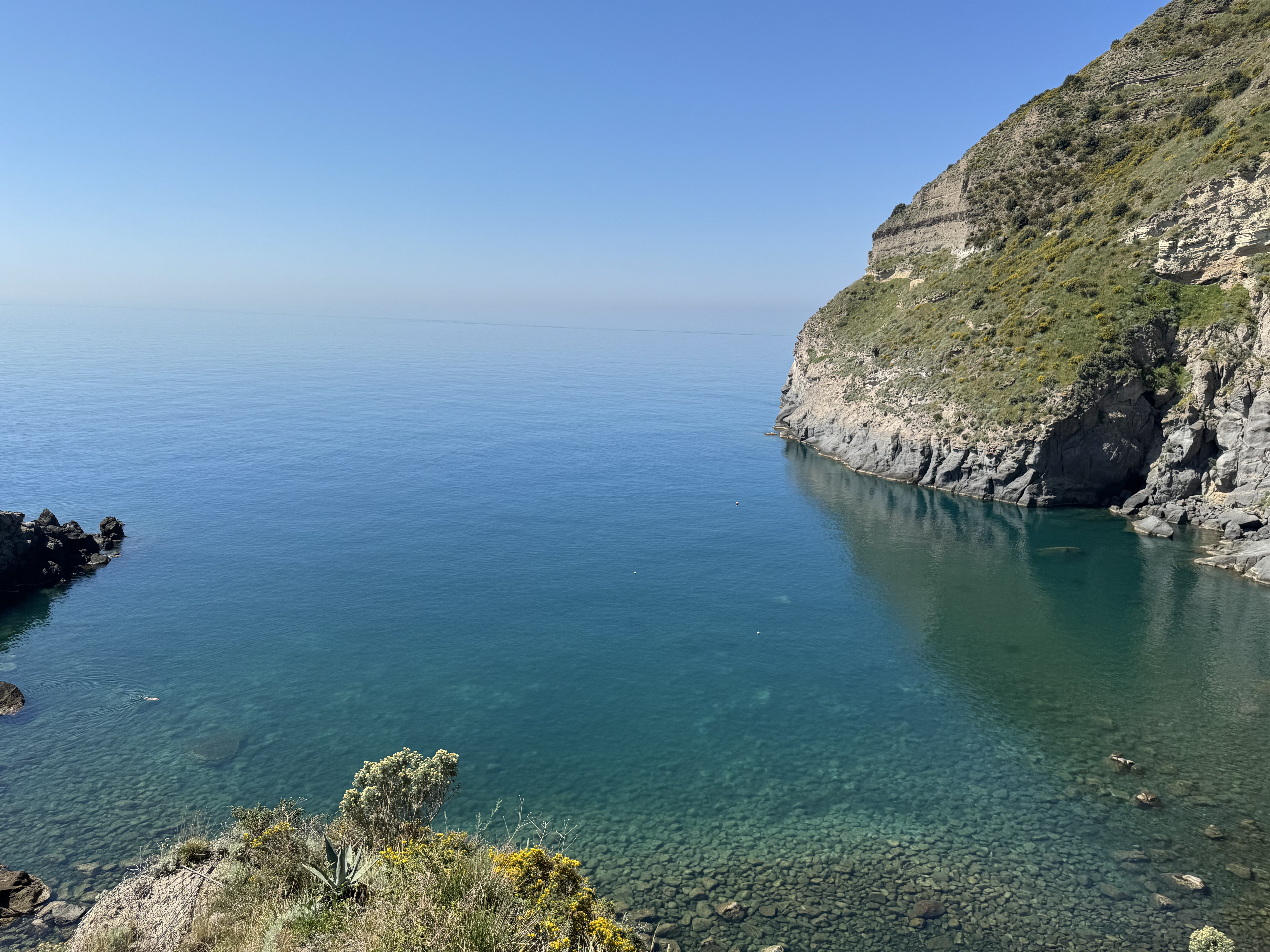
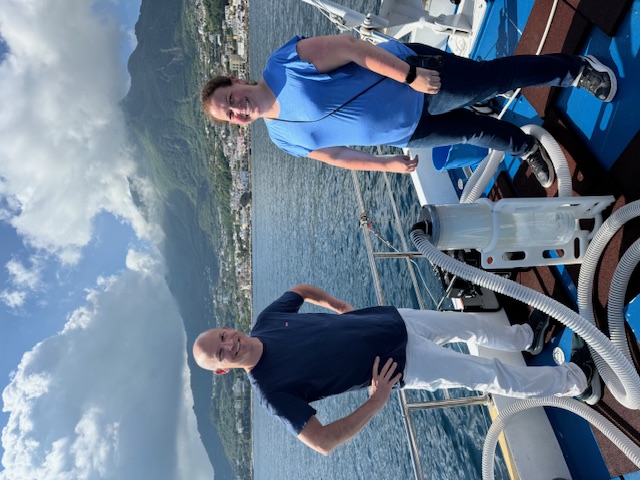
Ischia, Sorgeto, 2024
Field trips lead to unexpected discoveries
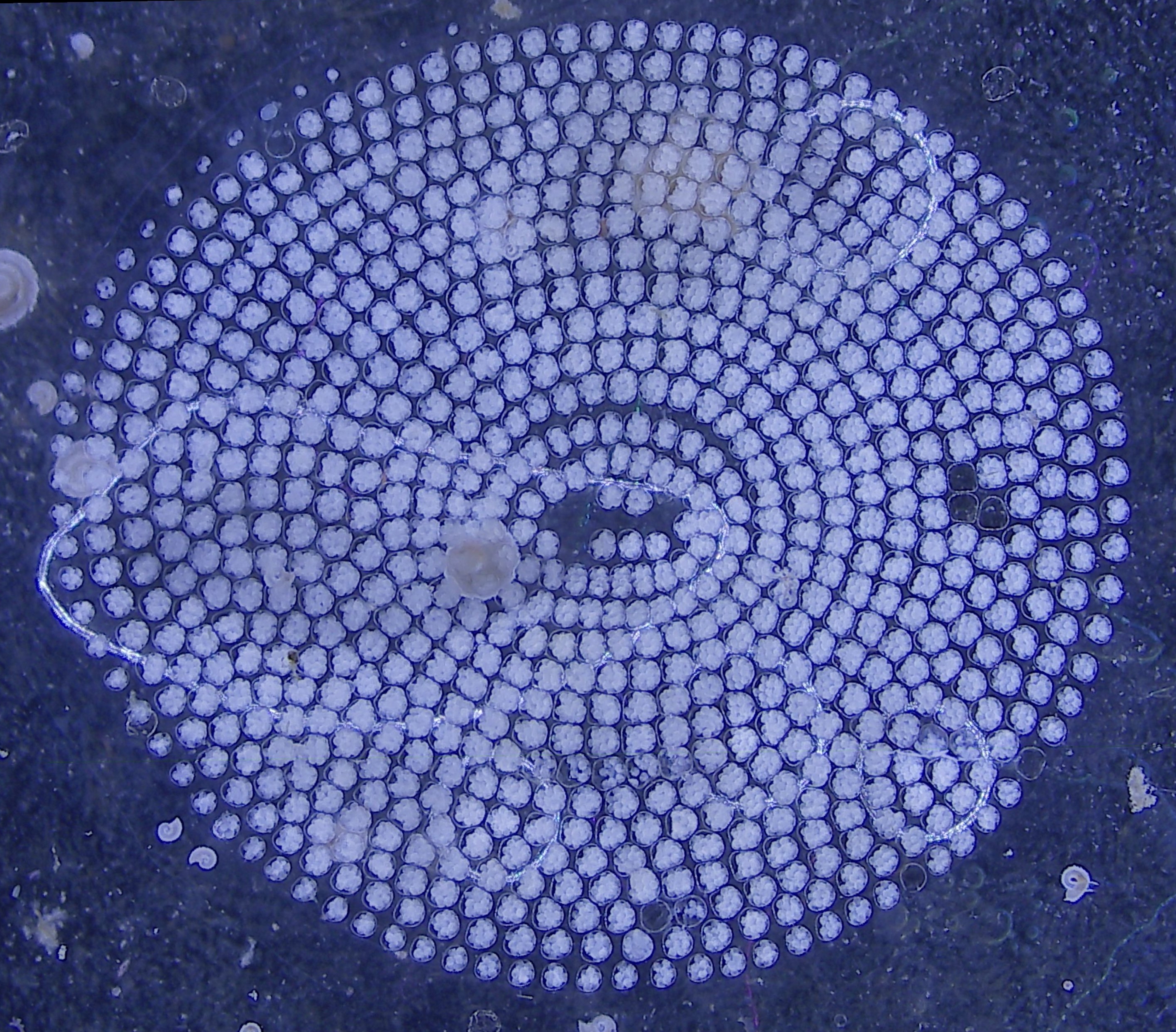
with Alexandra Kerbl, Ischia May 31, 2024
What is this?
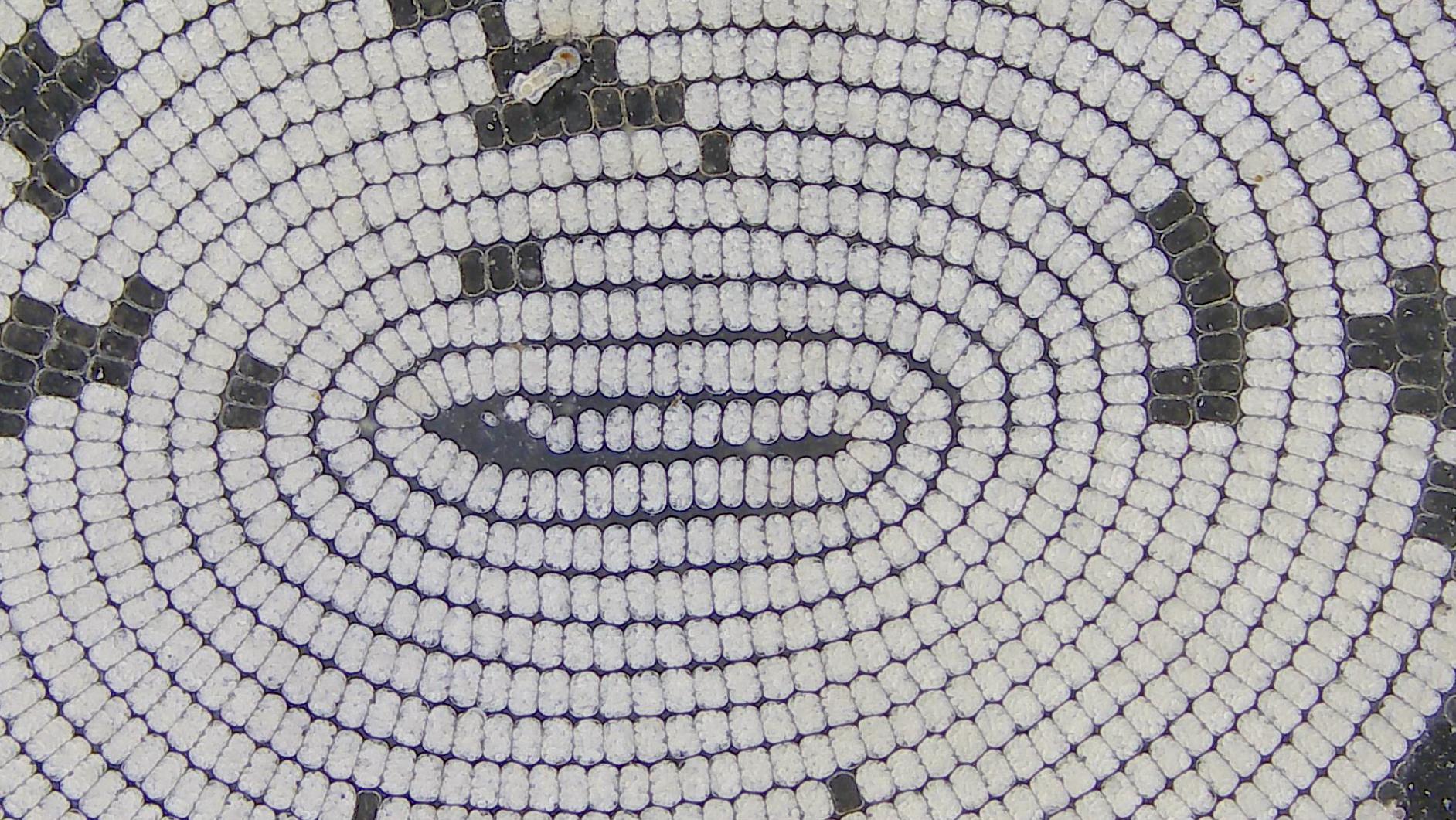
with Alexandra Kerbl, Ischia May 31, 2024
Egg plates and Müller’s larvae of polyclad flatworms
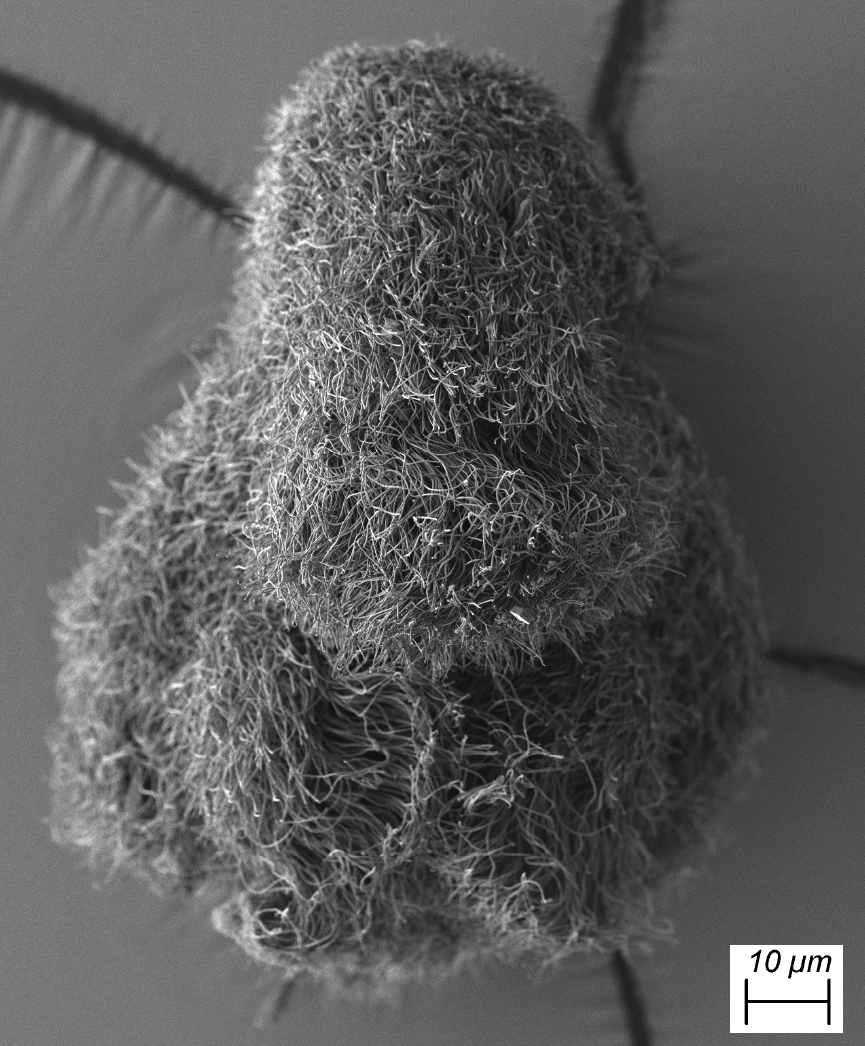
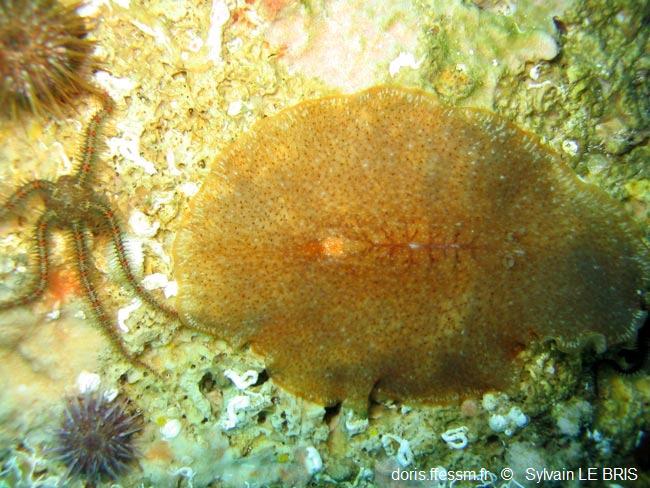 Planocera ceratommata
Envoi
- we have a living planet, no need to terraform a rock
- science should not be defined by goals (cure cancer, sequence all x, comprehensive atlas of y) but by the process of doing it
- the goal is the path
- a high-level ‘civilisational activity’ (Detlev Arendt)
- curiosity driven, explore complexity, design smart experiments, solve problems, not ‘salvation’
- train students/next generation to think, deal with difficult problems, understand complexity, numbers, data…
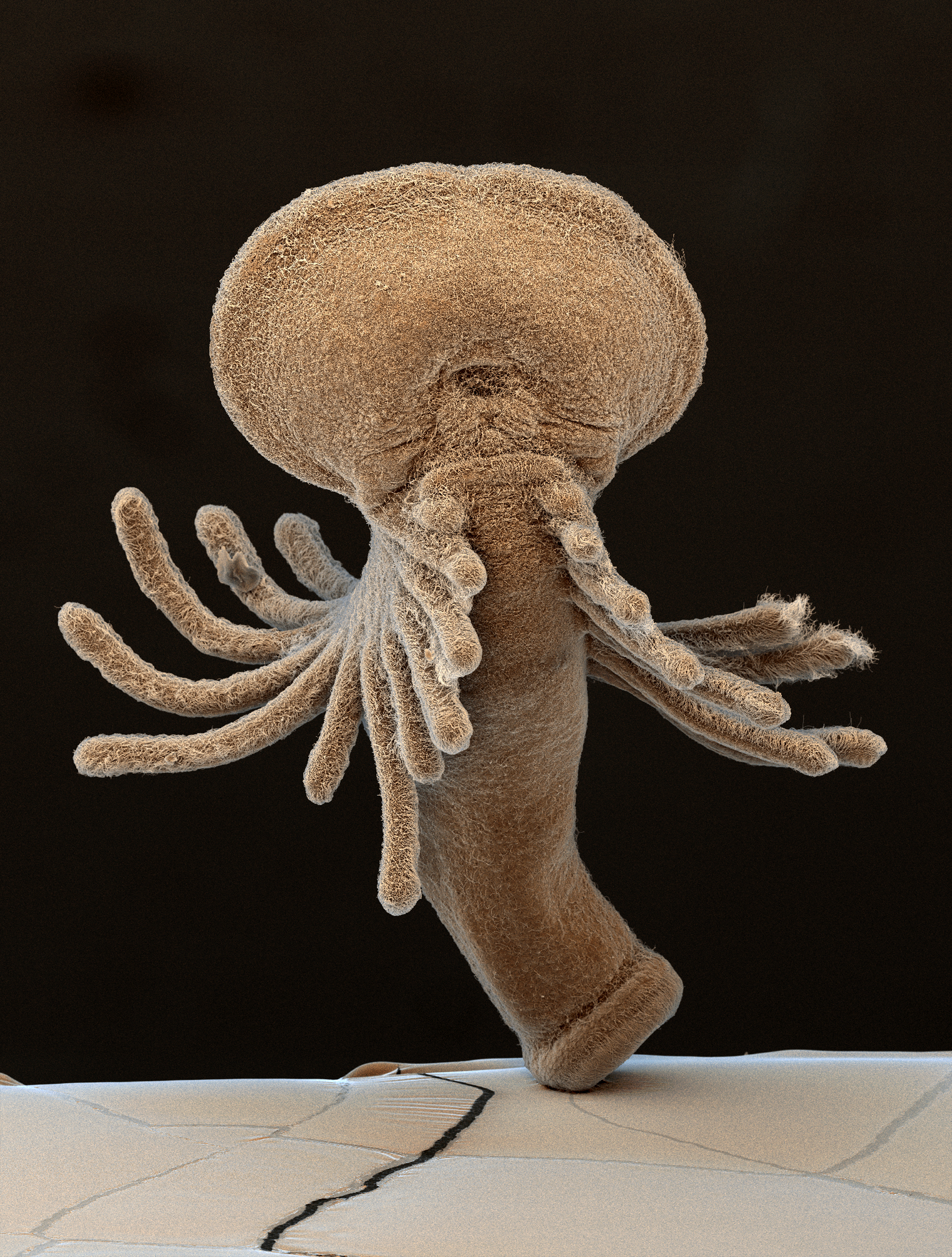
(and of course we need the connectome of this guy… in the works)
Acknowledgements
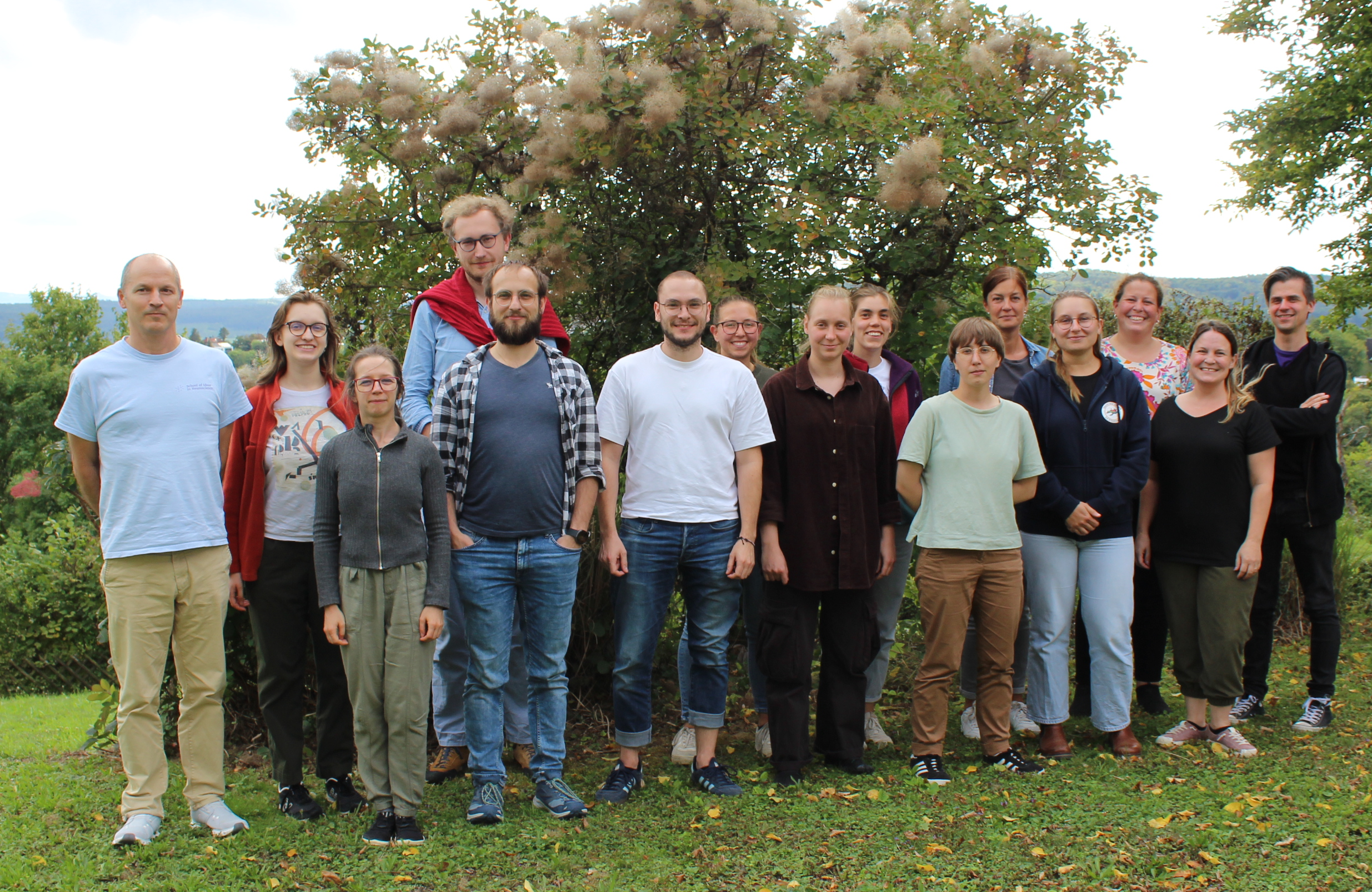
Lab members
- Sanja Jasek
- Alexandra Kerbl
- Emily Savage
- Simone Wolters
- Lara Keweloh
- Kevin Urbansky
- Karel Mocaer
- David Hug
- Benedikt Dürr
- Ira Maegele
- Emelie Brodrick (Exeter)

Alumni
- Kei Jokura (NIBB, Okazaki)
- Luis Bezares (LBDV, Villefranche-sur-mer)
- Luis Yanez-Guerra (Southampton)
- Emelie Brodrick (Sussex)
- Csaba Verasztó (EPFL)
Facilities
- Réza Shahidi
- Charlotta Funaya
- Ulrike Engel